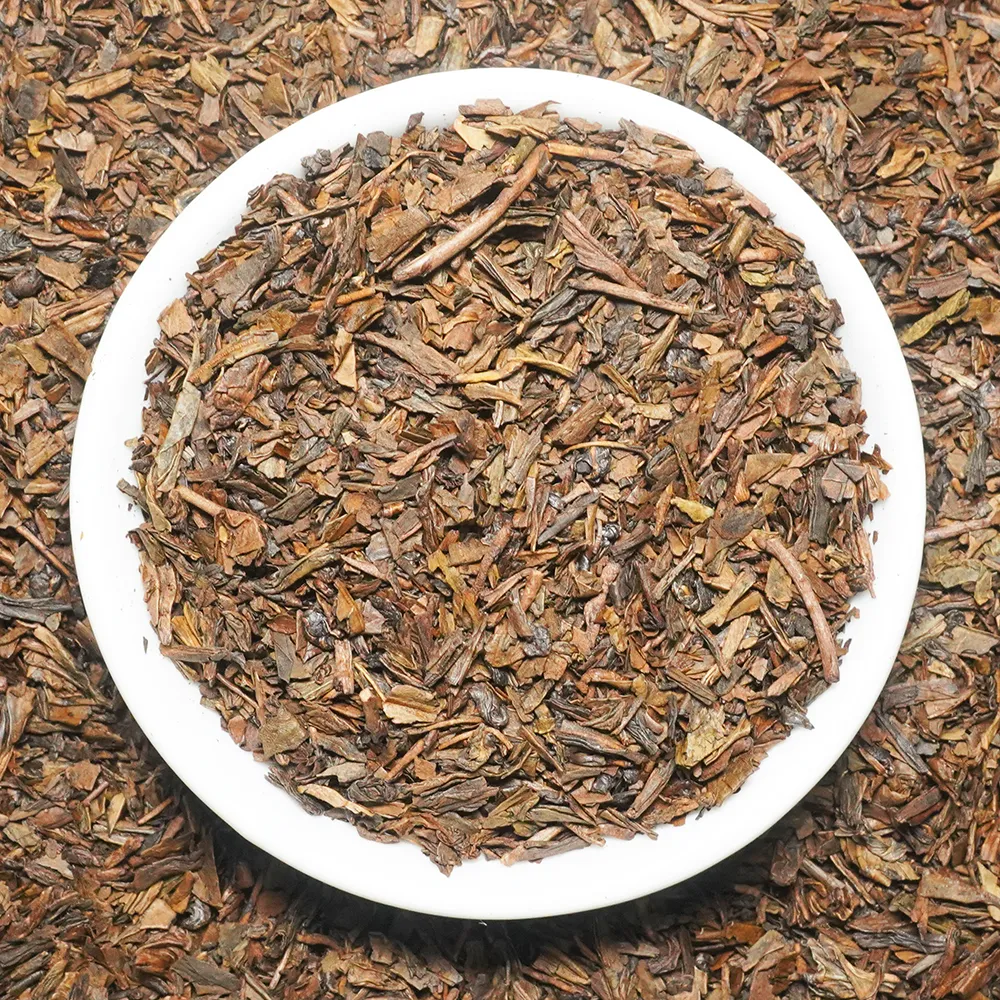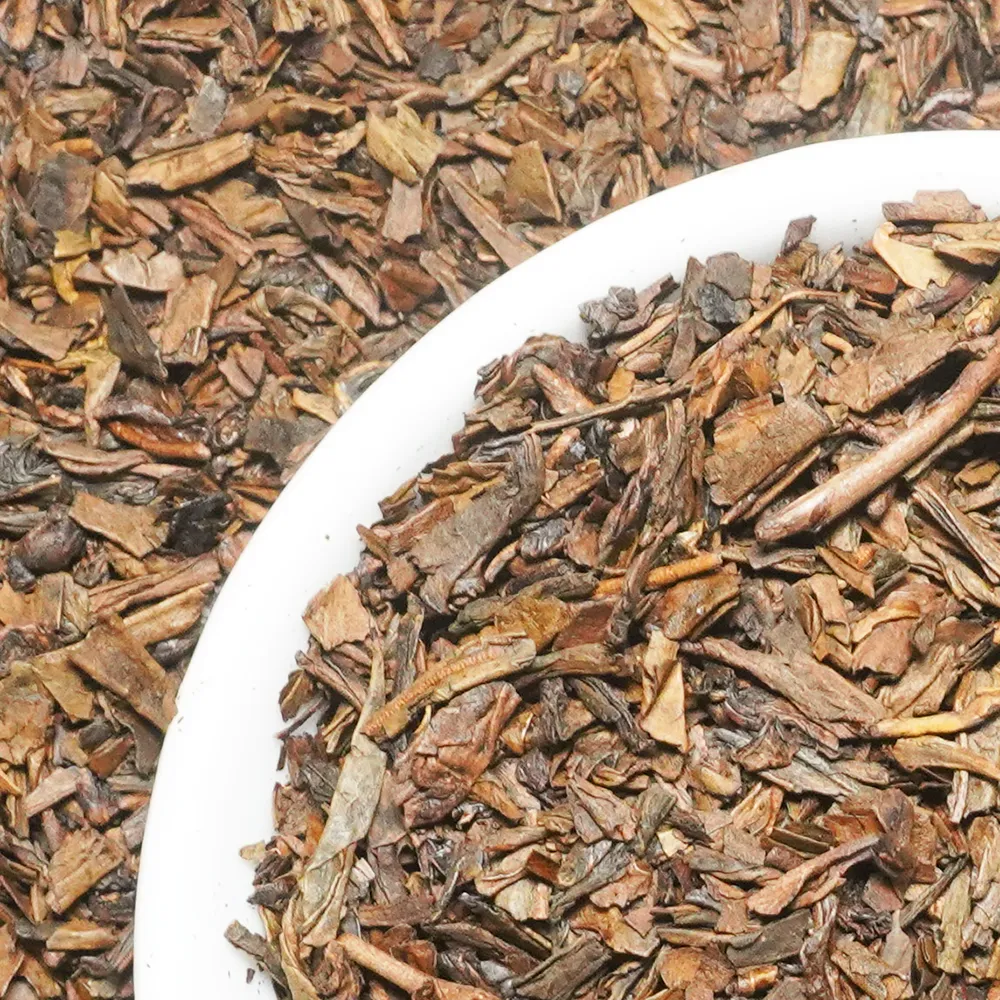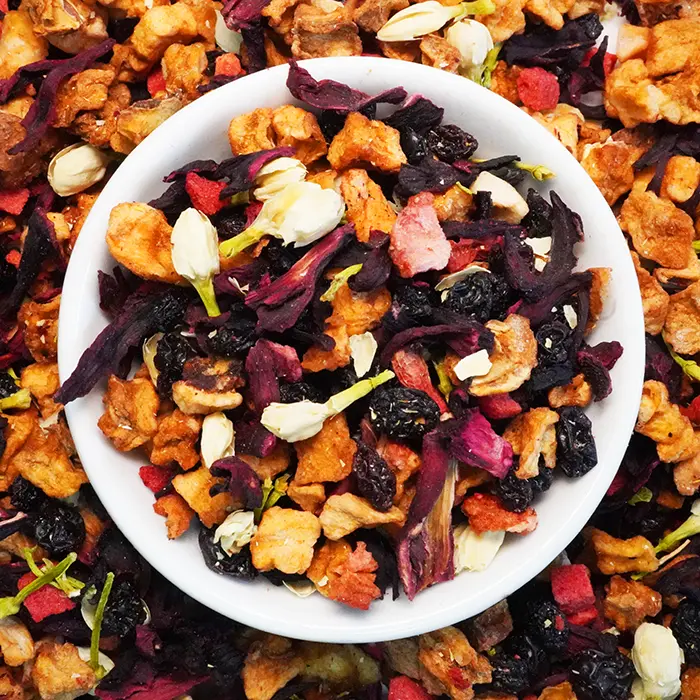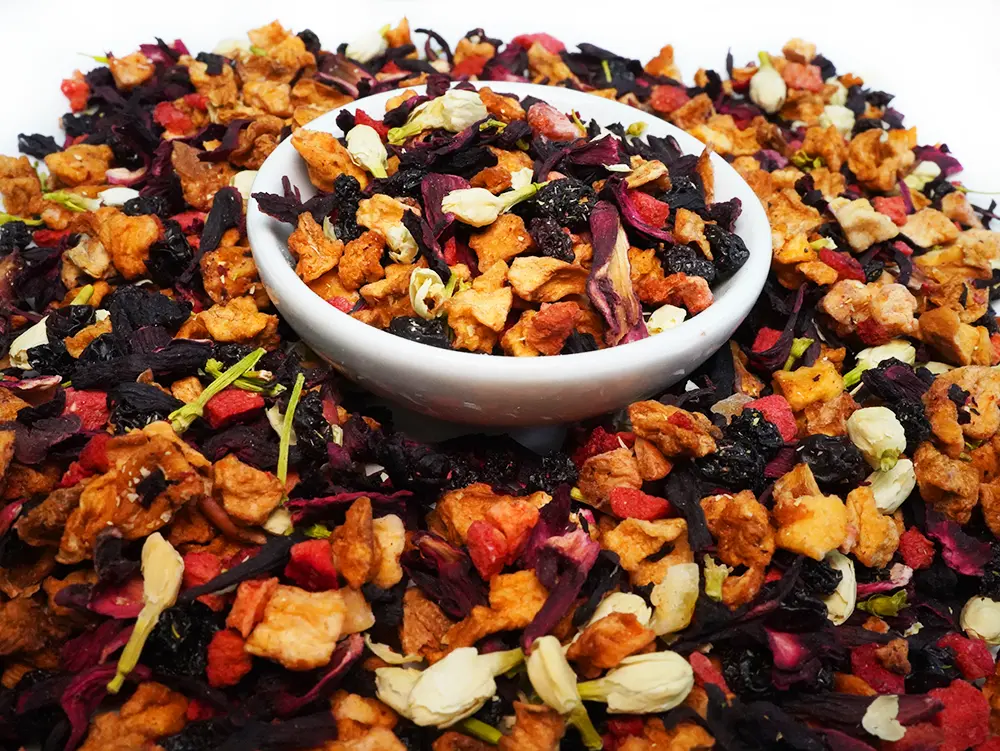
White Tea
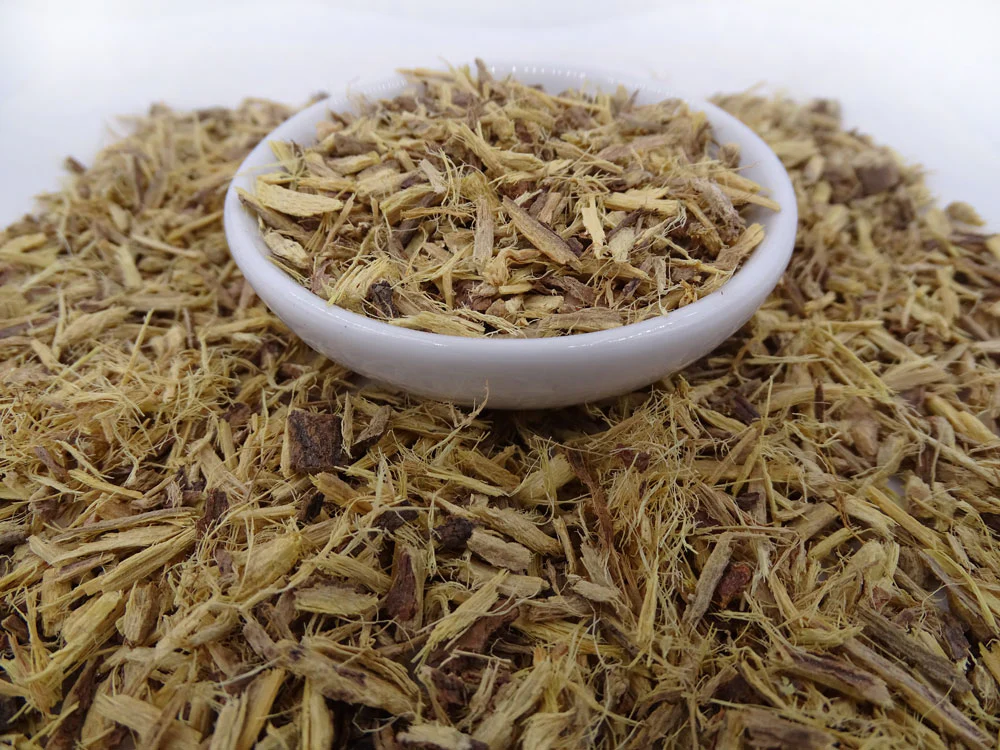
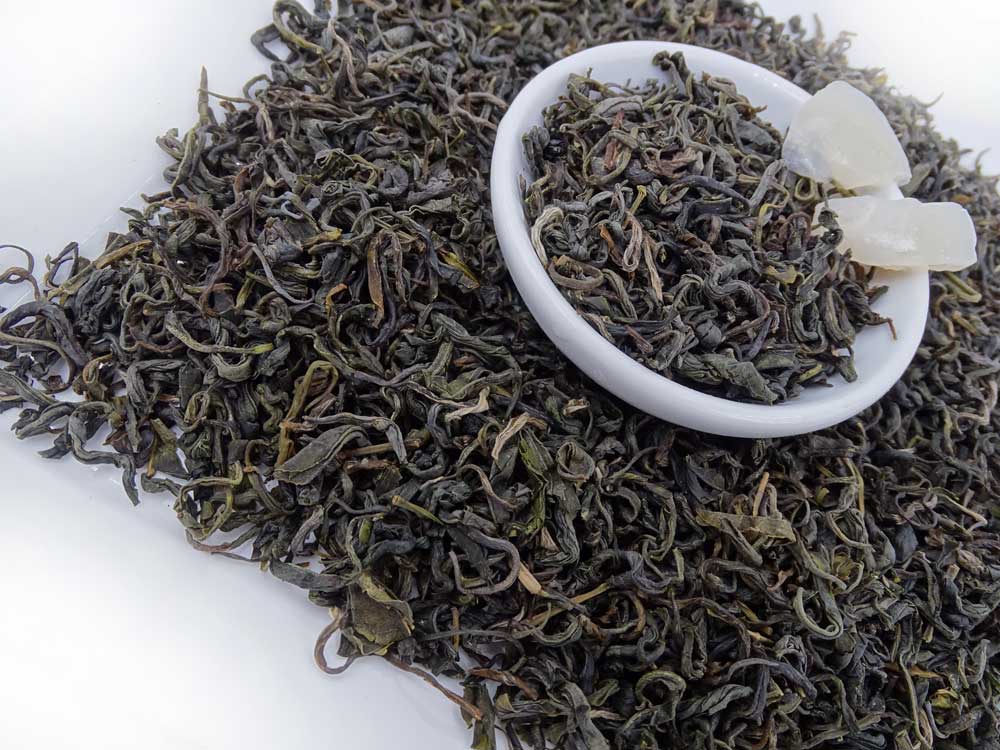
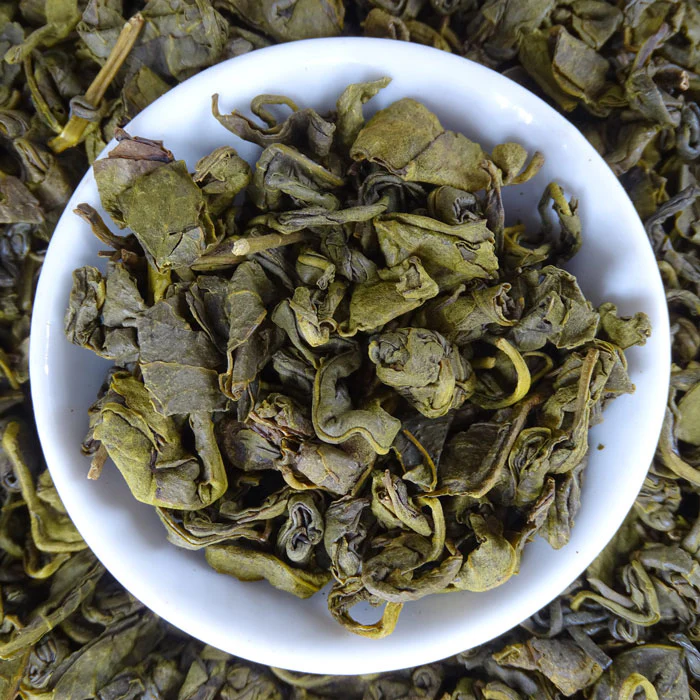
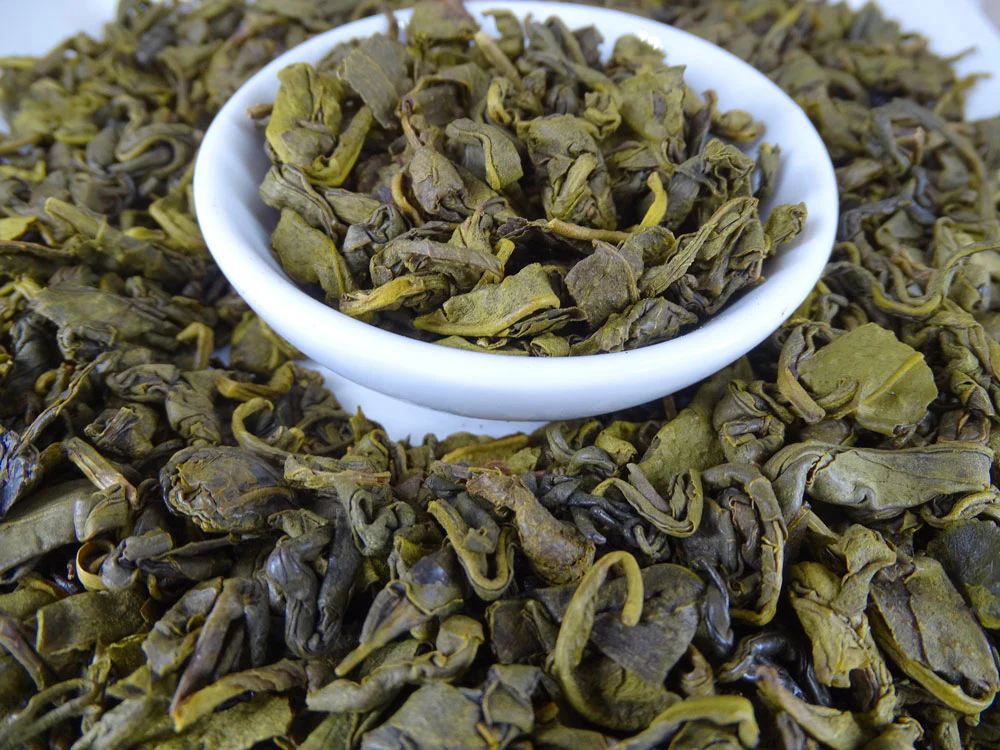
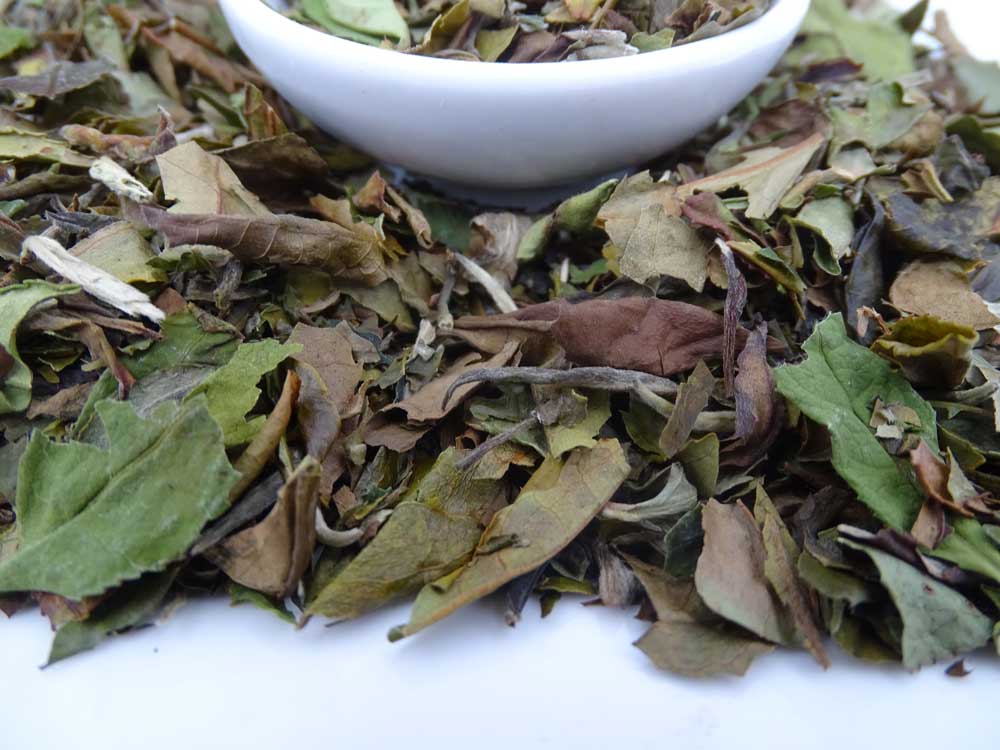
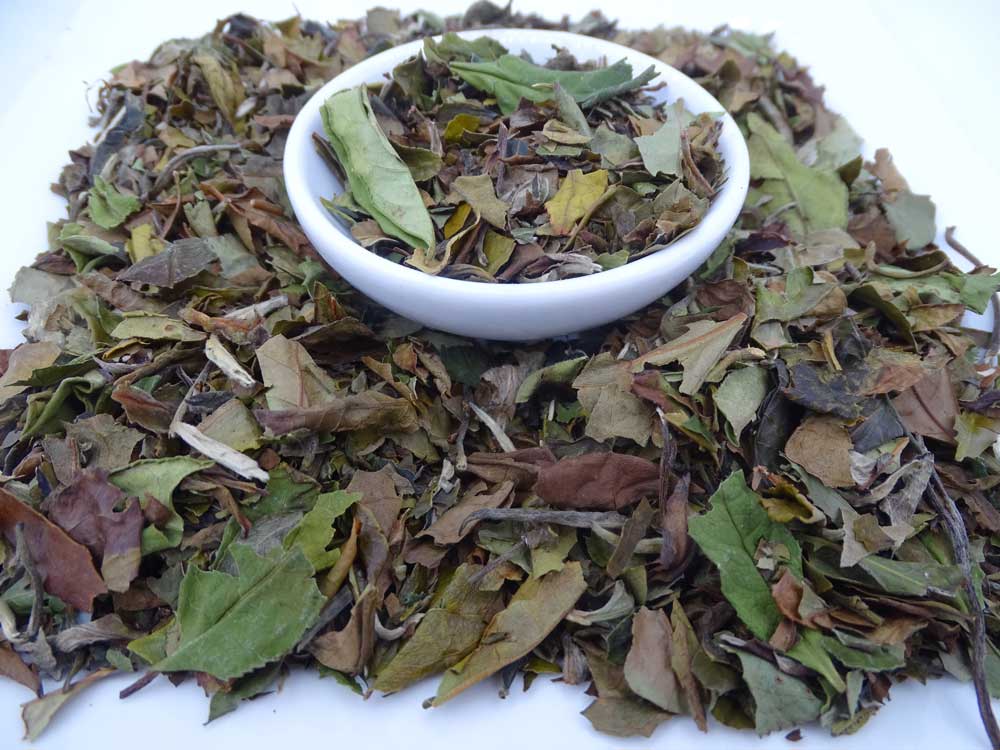
White - colored tea would be the most lightly processed form of Camellia sinensis: young buds & tender leaves are picked, withered to remove moisture and dried - no rolling - no oxidation - just light, natural oxidization.
With this restrained handling the leaf remains delicate with fine aromatics and soft texture. Expect a pale champagne-gold liquor in the cup that is honeyed, meadow-sweet, floral and melony with a cucumber-skin snap.
Styles vary with the pluck and region: Silver Needle uses downy buds for a silken, airy brew; White Peony includes bud plus first leaves for a fuller, fruitier profile; Bai Mu Dan; Shou Mei / Gong Mei - more mature leaf drinks deeper and toasty - good for hotter water / longer steeps.
White tea is not flavourless - good leaf has a sweet aftertaste and is best drunk in several infusions. Caffeine is about light-moderate in tea, but varies by bud content and time steeped.
It is naturally versatile - white tea can be a peaceful morning cup, a reflective afternoon tea or a cold pitcher that keeps its clarity without bitterness. You prefer understated elegance to punch, so white tea is an everyday treat that begs slow drinking.
pesticide free China
Flavour and Aroma
Aroma: Ripe melons, wildflower honey & fresh hay.
Taste: Mild sweetness, pear/lychee notes, mineral finish.
Body: light-medium, satin-smooth
Bitterness/astringency: very low when brewed cold; can spike if overheated
Ingredients
White tea from Camellia sinensis - 100%. No added flavours.
Caffeine level
Light-moderate (depending on bud/leafed ratio and steep time).
How to brew
Western style (mug/pot)
3-4 g (1 heaped tsp) per 250 ml.
75-85 degC water
2-3 minutes, then taste
Re-steep: 2-3 times; Add 20-30 sec per round.
Gongfu style (gaiwan/teapot)
6 - 8 g per 100-120 ml.
85 degC water / 80 degC for tender buds /.
First infusion 5-10 sec; extend gently for 6-8 rounds.
Iced / cold brew
5-8 g/L cold filtered water.
Refrigerate 4-6 hrs; strain. Clean, lightly sweet - no bitterness.
When to drink
Daytime - early evening Lovely with fruit, biscuits, mild cheese and light salads.
Health benefits
Polyphenols/antioxidants: White tea retains abundant catechins; studies comparing processing show strong antioxidant capacity relative to green/black teas. ScienceDirect
Cardio-metabolic support (modest): Reviews of tea intake report small, favourable effects on cardiovascular risk markers and endothelial function with regular consumption. Frontiersclinicalnutritionespen.com
Calm focus: Tea’s L-theanine (with/without caffeine) is linked to short-term improvements in attention and stress metrics in RCTs. Oxford Academic
Oral health adjunct: In-vitro work suggests white-tea extracts can inhibit cariogenic bacteria; usefulness is as a complement to dental hygiene, not a treatment. ScienceDirect
(General information only; not medical advice.)
Health-related notes (general)
Sensitivity varies - keep water cool & steep short for a milder cup. Enjoy as a part of a healthy diet and regular hydration.
Cautionary
Caffeine - avoid at night if you're sensitive.
Tea may decrease non-HAEm iron absorption; Separate from iron-rich meals/supplements for 1-2 hours.
If you have reflux, use cool water and shorter steeps.
Unusual symptoms should be discontinued. Keep out of reach of kids.
Storage and Shelf life
Cool, dark and dry, away from odours Store airtight. Ideal age: 18-24 months. some fine whites age nicely as well, developing honeyed, deeper notes.
Quick FAQs
Does white tea always have low caffeine?
Not always - bud-heavy teas are moderate. Those short, cool steeps lower the kick.
Will boiling water work?
Often yes for Shou Mei/Gong Mei; For heavy bud teas, keep at 75-85 degC for sweetness protection.
Milk or lemon?
Best without - delicate flavours are best on their own.
Original: $994.34
-70%$994.34
$298.30

Description
White - colored tea would be the most lightly processed form of Camellia sinensis: young buds & tender leaves are picked, withered to remove moisture and dried - no rolling - no oxidation - just light, natural oxidization.
With this restrained handling the leaf remains delicate with fine aromatics and soft texture. Expect a pale champagne-gold liquor in the cup that is honeyed, meadow-sweet, floral and melony with a cucumber-skin snap.
Styles vary with the pluck and region: Silver Needle uses downy buds for a silken, airy brew; White Peony includes bud plus first leaves for a fuller, fruitier profile; Bai Mu Dan; Shou Mei / Gong Mei - more mature leaf drinks deeper and toasty - good for hotter water / longer steeps.
White tea is not flavourless - good leaf has a sweet aftertaste and is best drunk in several infusions. Caffeine is about light-moderate in tea, but varies by bud content and time steeped.
It is naturally versatile - white tea can be a peaceful morning cup, a reflective afternoon tea or a cold pitcher that keeps its clarity without bitterness. You prefer understated elegance to punch, so white tea is an everyday treat that begs slow drinking.
pesticide free China
Flavour and Aroma
Aroma: Ripe melons, wildflower honey & fresh hay.
Taste: Mild sweetness, pear/lychee notes, mineral finish.
Body: light-medium, satin-smooth
Bitterness/astringency: very low when brewed cold; can spike if overheated
Ingredients
White tea from Camellia sinensis - 100%. No added flavours.
Caffeine level
Light-moderate (depending on bud/leafed ratio and steep time).
How to brew
Western style (mug/pot)
3-4 g (1 heaped tsp) per 250 ml.
75-85 degC water
2-3 minutes, then taste
Re-steep: 2-3 times; Add 20-30 sec per round.
Gongfu style (gaiwan/teapot)
6 - 8 g per 100-120 ml.
85 degC water / 80 degC for tender buds /.
First infusion 5-10 sec; extend gently for 6-8 rounds.
Iced / cold brew
5-8 g/L cold filtered water.
Refrigerate 4-6 hrs; strain. Clean, lightly sweet - no bitterness.
When to drink
Daytime - early evening Lovely with fruit, biscuits, mild cheese and light salads.
Health benefits
Polyphenols/antioxidants: White tea retains abundant catechins; studies comparing processing show strong antioxidant capacity relative to green/black teas. ScienceDirect
Cardio-metabolic support (modest): Reviews of tea intake report small, favourable effects on cardiovascular risk markers and endothelial function with regular consumption. Frontiersclinicalnutritionespen.com
Calm focus: Tea’s L-theanine (with/without caffeine) is linked to short-term improvements in attention and stress metrics in RCTs. Oxford Academic
Oral health adjunct: In-vitro work suggests white-tea extracts can inhibit cariogenic bacteria; usefulness is as a complement to dental hygiene, not a treatment. ScienceDirect
(General information only; not medical advice.)
Health-related notes (general)
Sensitivity varies - keep water cool & steep short for a milder cup. Enjoy as a part of a healthy diet and regular hydration.
Cautionary
Caffeine - avoid at night if you're sensitive.
Tea may decrease non-HAEm iron absorption; Separate from iron-rich meals/supplements for 1-2 hours.
If you have reflux, use cool water and shorter steeps.
Unusual symptoms should be discontinued. Keep out of reach of kids.
Storage and Shelf life
Cool, dark and dry, away from odours Store airtight. Ideal age: 18-24 months. some fine whites age nicely as well, developing honeyed, deeper notes.
Quick FAQs
Does white tea always have low caffeine?
Not always - bud-heavy teas are moderate. Those short, cool steeps lower the kick.
Will boiling water work?
Often yes for Shou Mei/Gong Mei; For heavy bud teas, keep at 75-85 degC for sweetness protection.
Milk or lemon?
Best without - delicate flavours are best on their own.