Spearmint Tea
The leaves of spearmint are brewed into a clean, cool herbal infusion instead of true tea. Peppermint is sharp and menthol-heavy versus spearmint - its carvone is sweet mint and fresh herb versus icy mint.
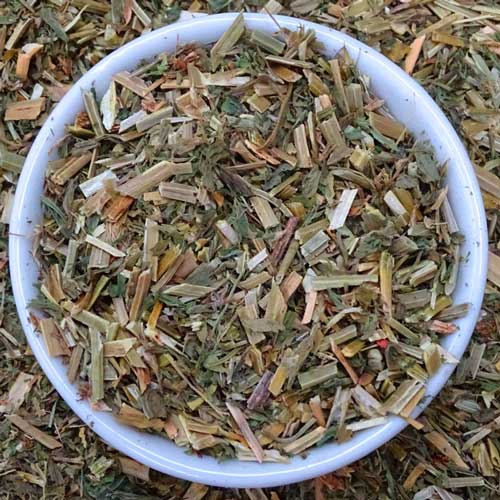
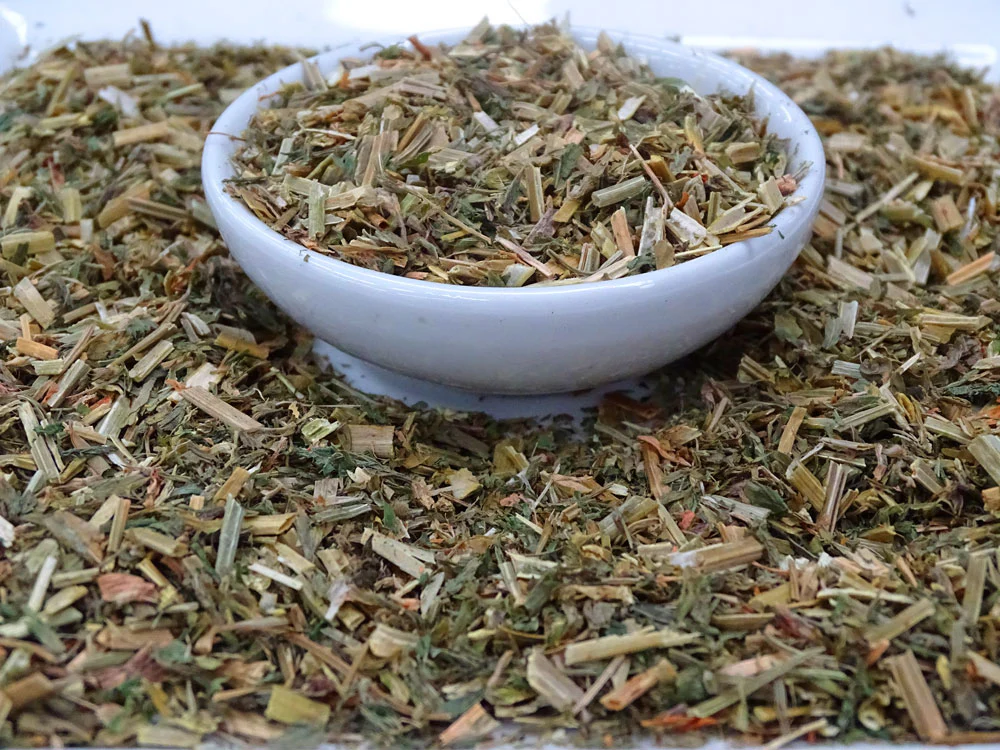
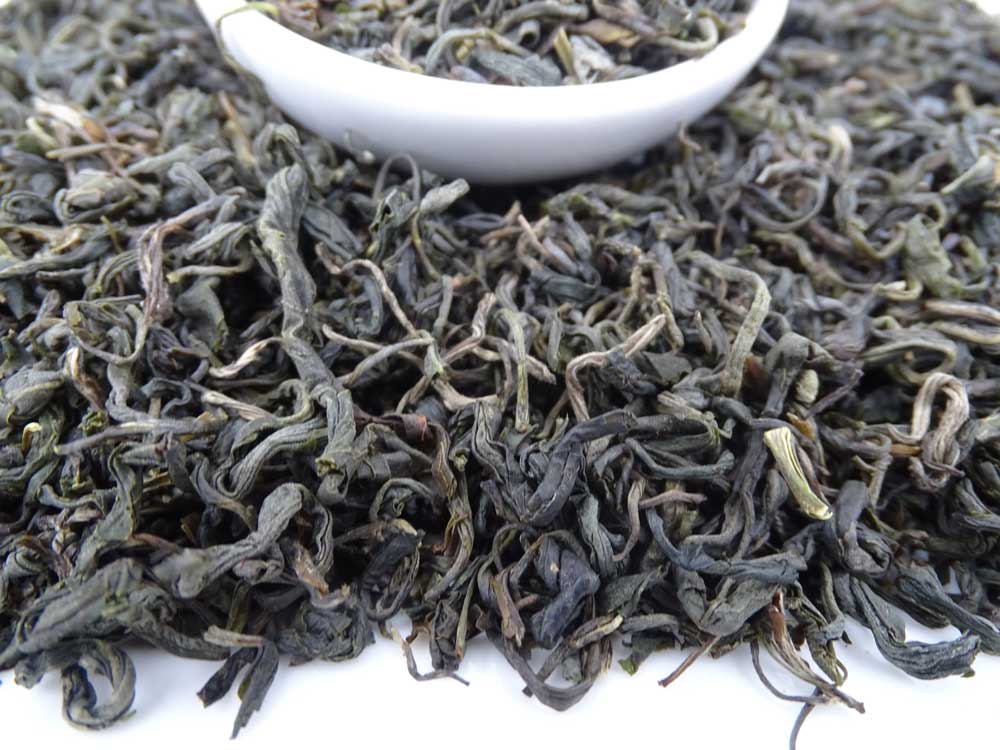
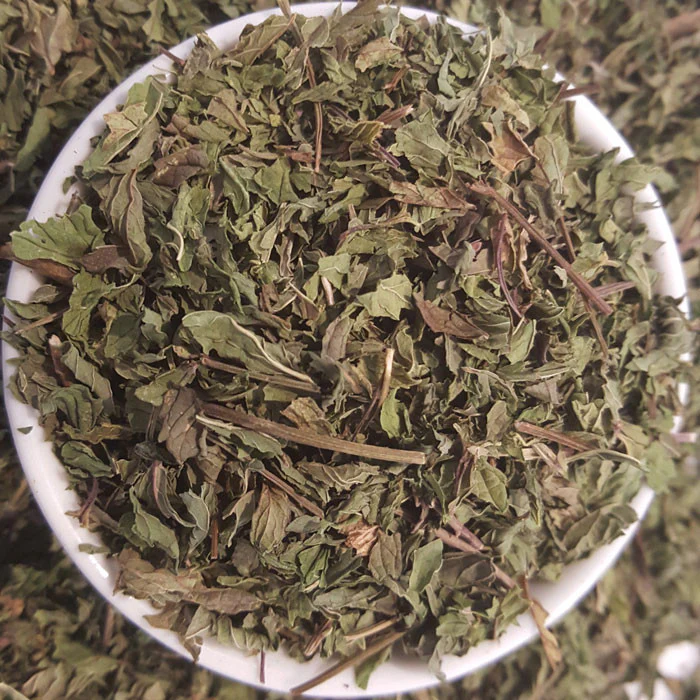
A good leaf is dark green with strong aromatic notes. Brew covered to keep volatile oils in the cup. A pale straw-green liquor in the mug will be neat and palate-cleansing: Think garden-fresh mint, a hint of citrus peel and a hint of meadow sweetness.
It has no caffeinated kicks, is easy to brew, and tastes good hot or iced. Short steeps stay cool & delicate.
Add a minute for slightly more herbaceous grown-up dryness paired with lemon and a tablespoon of honey. In the kitchen it's versatile - serve as a chilled carafe for the table or whipped with green tea, chamomile or ginger for bespoke profiles.
If your thing is "refreshing without bitterness," spearmint meets that bill with everyday ease: Bright, contemporary and perfect for morning through late evening sipping.
organically grown India
Flavour and Aroma
Aroma: Sweet mint / fresh herb / citrus peel.
Taste: Cool, clean mint; mild sweetness; crisp, dry finish
Body: light, refreshing
Bitterness/astringency: very low; over-steeped can be herbaceous.
Ingredients
Contains 100% dried spearmint leaf.
Botanical name: Mentha spicata L.
Caffeine level
None (caffeine-free).
How to brew
Western style (mug/pot)
2-3 g per 250 ml.
95 degC water
5 to 7 minutes under cover, then strain.
Re-steep: once; add 2-3 minutes
Iced / cold brew
5-8 g/L cold filtered water.
Refrigerate 6-8 hrs; strain (fresh, clean, lightly sweet & refreshing)
When to Drink
All day: after meals, in breaks at work, or just before bedtime. Excellent in a lemon - based summer pitcher.
Health benefits
Hormone balance - context - small trials: Spearmint tea twice daily over 30 days decreased free and total testosterone and moved LH / FSH favorably vs placebo in women with hirsusm / PCOS; Free testosterone dropped in an earlier 5-day study. Biochemical change > symptom change; small sample sizes.)
Cognitive support - extract, not tea: Working/sustained attention was better in healthy adults and in age-associated memory impairment in randomised double-blind trials containing a high content of rosmarinic acid. (Supplement studies; It is very different from brewed tea.
Polyphenols/antioxidants: Spearmint leaves also contain some important phenolics (e.g.
(General information only; not medical advice.)
Health-related notes (general)
Eat as much as you like in food-style portions as part of a good diet. To preserve aromatics, cover the cup while steeping. Flavour strength: adjust leaf and time of taste according to cut and origin.
Cautionary
Reflux-prone. Some people find mint infusions aggrave reflux: use shorter steeps or drink with food.
Allergy/sensitivity: Use with caution if allergic to mint or Lamiaceae plants.
Pregnancy and breastfeeding: The usual culinary quantities are considered fine; Use only medicinal strength if directed by your clinician.
Children and pets: Keep out of reach; do not use essential oils internally.
Unusual symptoms should be discontinued.
Storage and Shelf Life
Keep cool, dark and dry. Best within 12-18 months; Aromatics fade away once opened.
Quick FAQs
Peppermint vs spearmint - the difference?
Peppermint is menthol-forward and punchy; Spearmint is more mild, sweet and culinary.
Sweeten it?
Optional - honey or a splash of lemon.
Good iced?
Brilliant: cold brew minty with no bitterness.


Description
The leaves of spearmint are brewed into a clean, cool herbal infusion instead of true tea. Peppermint is sharp and menthol-heavy versus spearmint - its carvone is sweet mint and fresh herb versus icy mint.
A good leaf is dark green with strong aromatic notes. Brew covered to keep volatile oils in the cup. A pale straw-green liquor in the mug will be neat and palate-cleansing: Think garden-fresh mint, a hint of citrus peel and a hint of meadow sweetness.
It has no caffeinated kicks, is easy to brew, and tastes good hot or iced. Short steeps stay cool & delicate.
Add a minute for slightly more herbaceous grown-up dryness paired with lemon and a tablespoon of honey. In the kitchen it's versatile - serve as a chilled carafe for the table or whipped with green tea, chamomile or ginger for bespoke profiles.
If your thing is "refreshing without bitterness," spearmint meets that bill with everyday ease: Bright, contemporary and perfect for morning through late evening sipping.
organically grown India
Flavour and Aroma
Aroma: Sweet mint / fresh herb / citrus peel.
Taste: Cool, clean mint; mild sweetness; crisp, dry finish
Body: light, refreshing
Bitterness/astringency: very low; over-steeped can be herbaceous.
Ingredients
Contains 100% dried spearmint leaf.
Botanical name: Mentha spicata L.
Caffeine level
None (caffeine-free).
How to brew
Western style (mug/pot)
2-3 g per 250 ml.
95 degC water
5 to 7 minutes under cover, then strain.
Re-steep: once; add 2-3 minutes
Iced / cold brew
5-8 g/L cold filtered water.
Refrigerate 6-8 hrs; strain (fresh, clean, lightly sweet & refreshing)
When to Drink
All day: after meals, in breaks at work, or just before bedtime. Excellent in a lemon - based summer pitcher.
Health benefits
Hormone balance - context - small trials: Spearmint tea twice daily over 30 days decreased free and total testosterone and moved LH / FSH favorably vs placebo in women with hirsusm / PCOS; Free testosterone dropped in an earlier 5-day study. Biochemical change > symptom change; small sample sizes.)
Cognitive support - extract, not tea: Working/sustained attention was better in healthy adults and in age-associated memory impairment in randomised double-blind trials containing a high content of rosmarinic acid. (Supplement studies; It is very different from brewed tea.
Polyphenols/antioxidants: Spearmint leaves also contain some important phenolics (e.g.
(General information only; not medical advice.)
Health-related notes (general)
Eat as much as you like in food-style portions as part of a good diet. To preserve aromatics, cover the cup while steeping. Flavour strength: adjust leaf and time of taste according to cut and origin.
Cautionary
Reflux-prone. Some people find mint infusions aggrave reflux: use shorter steeps or drink with food.
Allergy/sensitivity: Use with caution if allergic to mint or Lamiaceae plants.
Pregnancy and breastfeeding: The usual culinary quantities are considered fine; Use only medicinal strength if directed by your clinician.
Children and pets: Keep out of reach; do not use essential oils internally.
Unusual symptoms should be discontinued.
Storage and Shelf Life
Keep cool, dark and dry. Best within 12-18 months; Aromatics fade away once opened.
Quick FAQs
Peppermint vs spearmint - the difference?
Peppermint is menthol-forward and punchy; Spearmint is more mild, sweet and culinary.
Sweeten it?
Optional - honey or a splash of lemon.
Good iced?
Brilliant: cold brew minty with no bitterness.