Sencha Tea
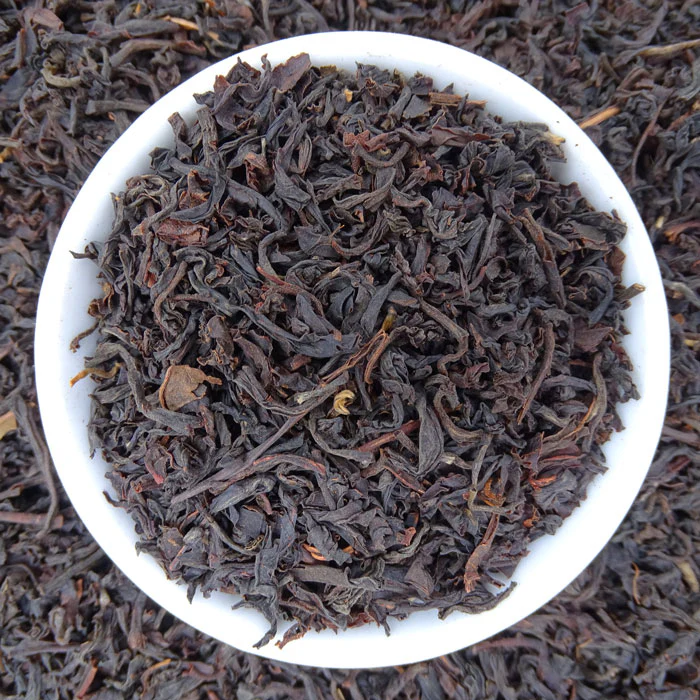
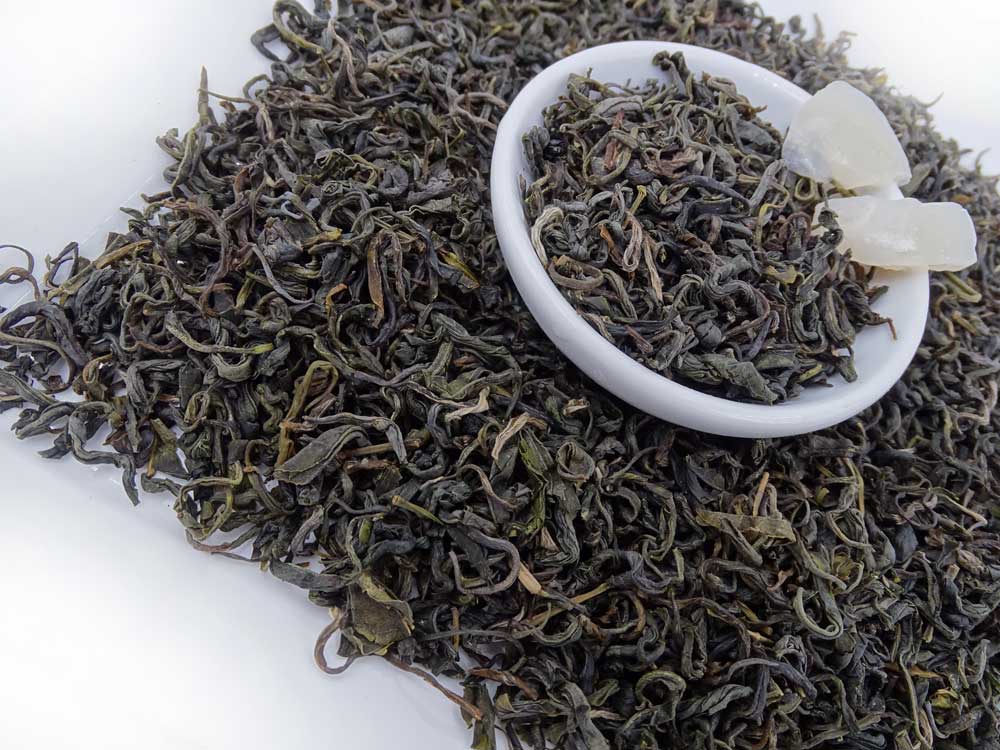
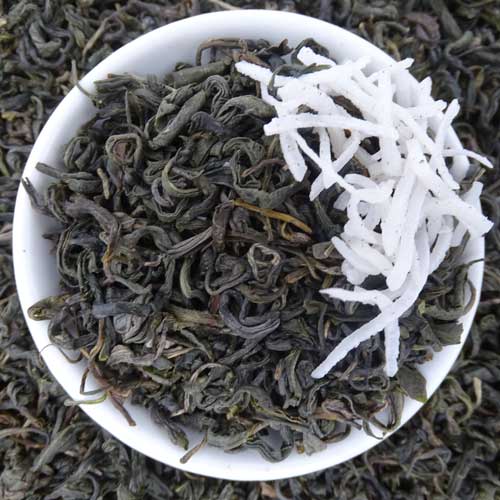
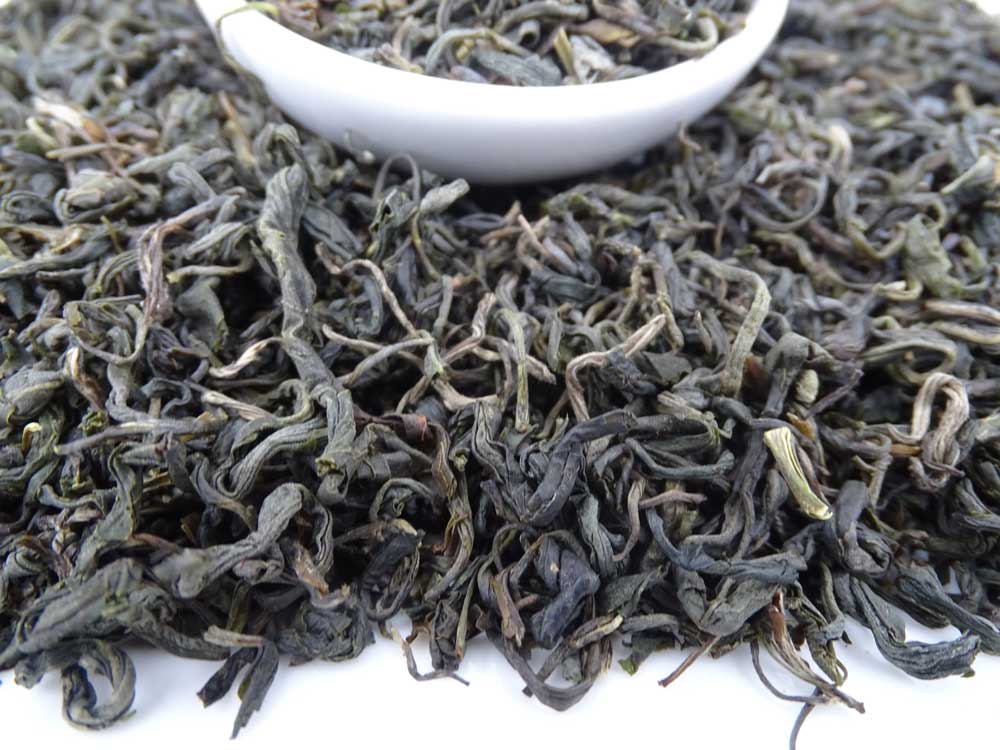
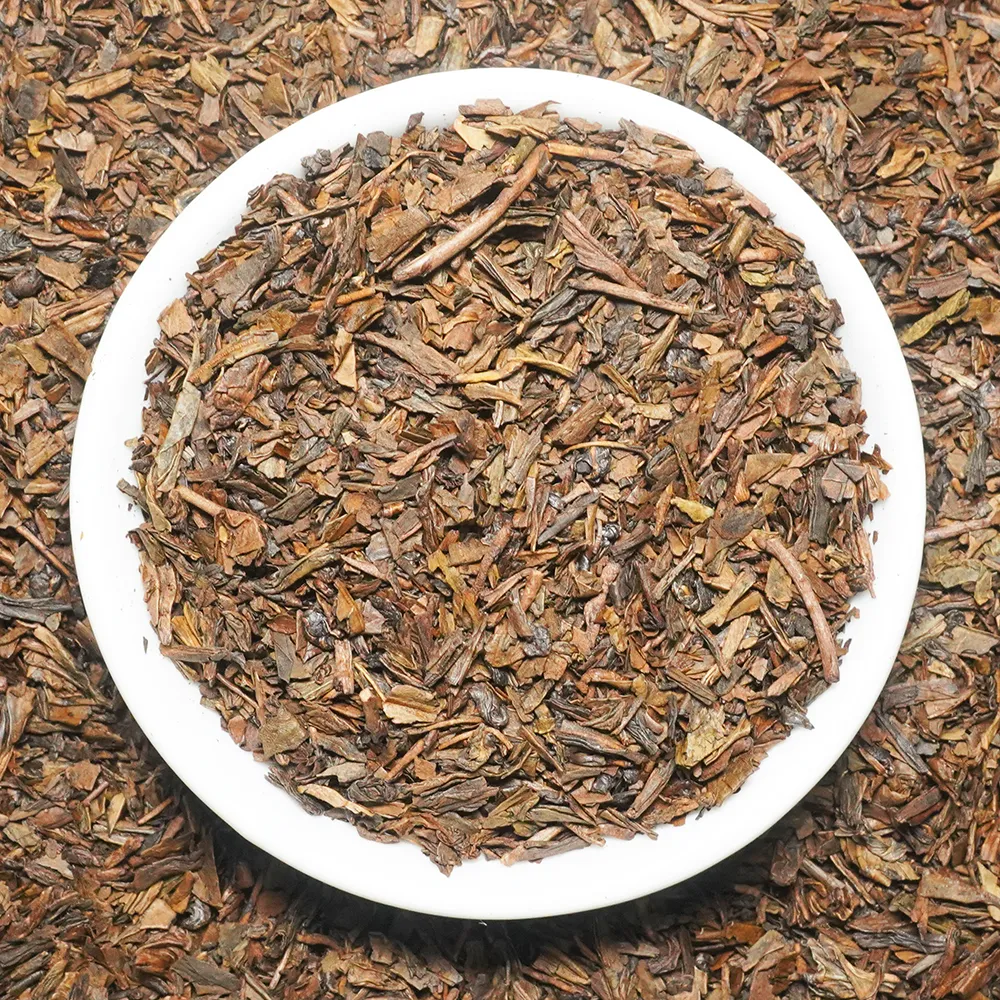
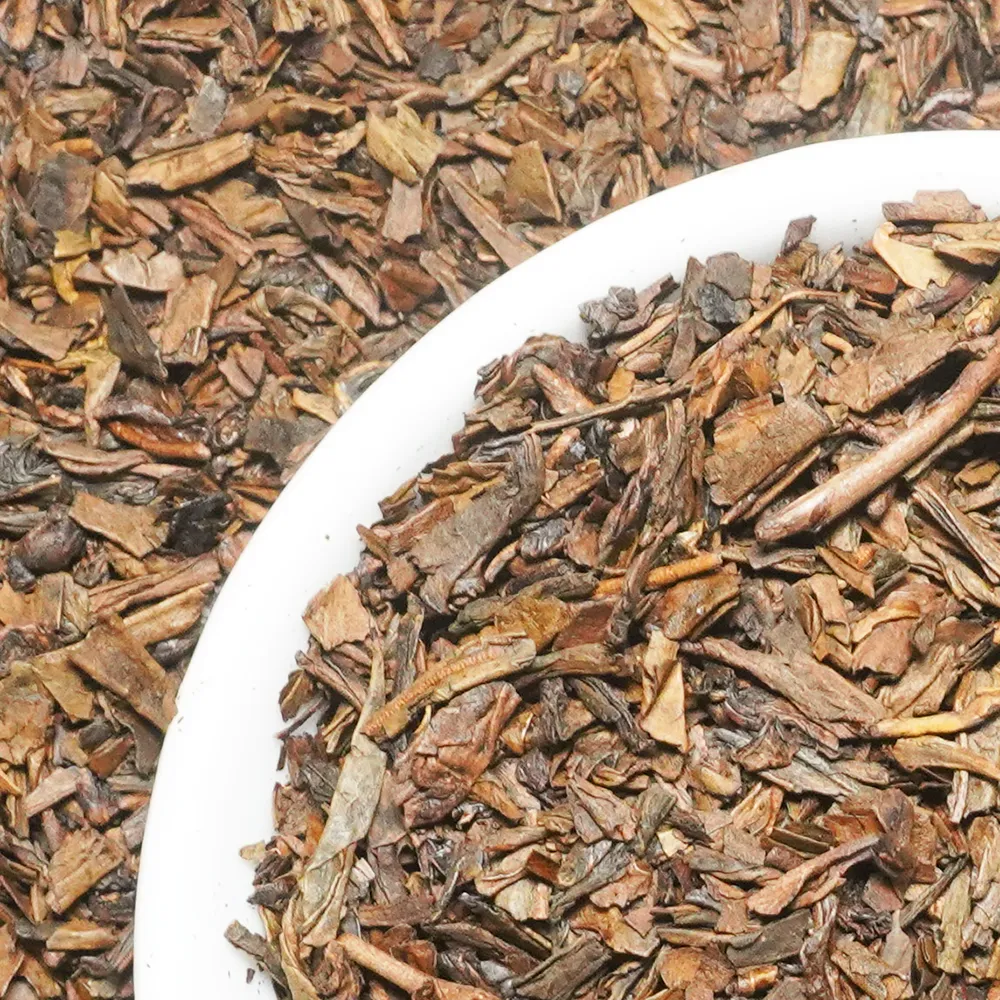
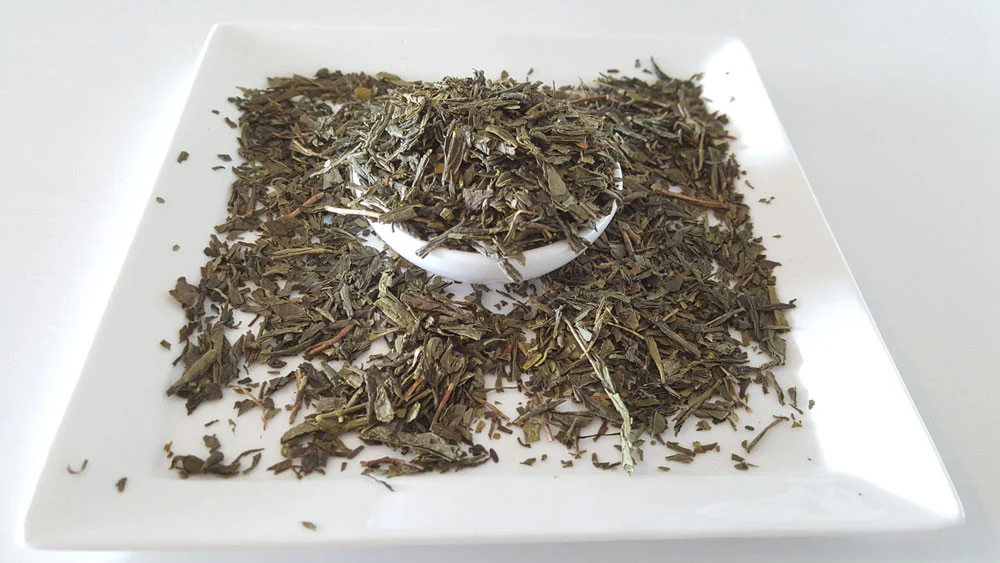
Sencha is Japan's everyday green tea and the standard for the country's steamed style. The fresh leaves are steam-fixed instead of pan-fired and rolled into long, aromatic strands.
Levels of steaming within sencha change flavour and texture slightly: asamushi is clearer and herbaceous when steamed; Fukamushi - fine from extra leaf breakage & steeps faster - plusher body, deeper colour and low bitterness brewed cool.
The cup result is clean and savoury-sweet - spinach and nori over soft citrus with a subtle umami finish. Good sencha should be precise and not grassy; Cool, shorten for a silky soft infusion or slightly longer for more body.
And it works all day long: a clear, food friendly morning brew or a focused afternoon pick me up - or a refreshing mizudashi that is almost unastringent. Those looking for a green tea that feels fresh, neat and uniquely Japanese will appreciate sencha's nuance without fuss.
organically grown Japan
Flavour and Aroma
Aroma: Steam greens, nori, sweetgrass, light citrus peel.
Taste: Clean umami, pear/melon notes, light sweetness, crisp mineral finish.
Body: light-medium, satin-smooth (deeper with fukamushi).
Bitterness/astringency: very low when brewed cold; rises if overheated
Ingredients
Green tea from Camellia sinensis - 100%. No added flavours.
Caffeine level
Light-moderate (depending on leaf and steep time).
How to brew
Western style (mug/pot)
2-3 g per 250 ml.
70-75 degC water
60-90 sec, then taste
Re-steep: 2-3 times; Add another 15-30 sec each round.
Gongfu style (gaiwan/kyusu)
6 - 8 g per 100-120 ml.
70-75 degC water
First infusion 8-12 sec; extend gently for 5-7 rounds (cutter still for fukamiushi).
Cold brew/iced brew (mizudashi).
5-8 g/L cold filtered water.
Cool 4-6 hours; strain; freeze. Naturally sweet & low in bitterness!
When to drink
Morning through afternoon; Perfect for sushi / rice dishes / light salads / simple biscuits. A summer staple is cold brew.
Health benefits
Polyphenols (catechins): Sencha supplies green-tea catechins that contribute to overall antioxidant intake. Recent reviews outline extraction/abundance of catechins in tea leaves. MDPI
Blood-pressure (modest): Meta-analyses of RCTs on green-tea beverages report small reductions in systolic/diastolic BP with regular intake. ScienceDirectNMCD Journal
Calm focus: RCT meta-analyses show tea’s L-theanine + caffeine combo can improve attention/alertness in healthy adults. Cambridge University Press & AssessmentOxford Academic
Oral health adjunct: Green-tea catechins can inhibit Streptococcus mutans acid production in lab studies; a supportive, not therapeutic, role. Karger
(General information only; not medical advice.)
Health-related notes (general)
Sensitivity varies. For reflux-prone people or those just learning sencha, cool water and keep steeps short. Enjoy as a part of a healthy diet and regular hydration.
Cautionary
Caffeine - avoid at night if you're sensitive.
Tea may decrease non-HAEm iron absorption; Separate from iron-rich meals/supplements for 1-2 hours.
Some find green tea on an empty stomach nauseating - try with a light snack.
Unusual symptoms should be discontinued. Keep out of reach of kids.
Storage and Shelf Life
Store airtight, cool, dark and dry, away from odours. Best within 12-18 months; Use within 1 hour of opening for best freshness.
Quick FAQs
So why was my sencha bitter?
Most likely too hot or too long-drop to 70-75 degC and steep 1 minute.
What is sencha vs matcha?
Sencha has leafy roots. Matcha is powdered stone that you whisk into a liquid that you drink whole.
Original: $781.27
-70%$781.27
$234.38


Description
Sencha is Japan's everyday green tea and the standard for the country's steamed style. The fresh leaves are steam-fixed instead of pan-fired and rolled into long, aromatic strands.
Levels of steaming within sencha change flavour and texture slightly: asamushi is clearer and herbaceous when steamed; Fukamushi - fine from extra leaf breakage & steeps faster - plusher body, deeper colour and low bitterness brewed cool.
The cup result is clean and savoury-sweet - spinach and nori over soft citrus with a subtle umami finish. Good sencha should be precise and not grassy; Cool, shorten for a silky soft infusion or slightly longer for more body.
And it works all day long: a clear, food friendly morning brew or a focused afternoon pick me up - or a refreshing mizudashi that is almost unastringent. Those looking for a green tea that feels fresh, neat and uniquely Japanese will appreciate sencha's nuance without fuss.
organically grown Japan
Flavour and Aroma
Aroma: Steam greens, nori, sweetgrass, light citrus peel.
Taste: Clean umami, pear/melon notes, light sweetness, crisp mineral finish.
Body: light-medium, satin-smooth (deeper with fukamushi).
Bitterness/astringency: very low when brewed cold; rises if overheated
Ingredients
Green tea from Camellia sinensis - 100%. No added flavours.
Caffeine level
Light-moderate (depending on leaf and steep time).
How to brew
Western style (mug/pot)
2-3 g per 250 ml.
70-75 degC water
60-90 sec, then taste
Re-steep: 2-3 times; Add another 15-30 sec each round.
Gongfu style (gaiwan/kyusu)
6 - 8 g per 100-120 ml.
70-75 degC water
First infusion 8-12 sec; extend gently for 5-7 rounds (cutter still for fukamiushi).
Cold brew/iced brew (mizudashi).
5-8 g/L cold filtered water.
Cool 4-6 hours; strain; freeze. Naturally sweet & low in bitterness!
When to drink
Morning through afternoon; Perfect for sushi / rice dishes / light salads / simple biscuits. A summer staple is cold brew.
Health benefits
Polyphenols (catechins): Sencha supplies green-tea catechins that contribute to overall antioxidant intake. Recent reviews outline extraction/abundance of catechins in tea leaves. MDPI
Blood-pressure (modest): Meta-analyses of RCTs on green-tea beverages report small reductions in systolic/diastolic BP with regular intake. ScienceDirectNMCD Journal
Calm focus: RCT meta-analyses show tea’s L-theanine + caffeine combo can improve attention/alertness in healthy adults. Cambridge University Press & AssessmentOxford Academic
Oral health adjunct: Green-tea catechins can inhibit Streptococcus mutans acid production in lab studies; a supportive, not therapeutic, role. Karger
(General information only; not medical advice.)
Health-related notes (general)
Sensitivity varies. For reflux-prone people or those just learning sencha, cool water and keep steeps short. Enjoy as a part of a healthy diet and regular hydration.
Cautionary
Caffeine - avoid at night if you're sensitive.
Tea may decrease non-HAEm iron absorption; Separate from iron-rich meals/supplements for 1-2 hours.
Some find green tea on an empty stomach nauseating - try with a light snack.
Unusual symptoms should be discontinued. Keep out of reach of kids.
Storage and Shelf Life
Store airtight, cool, dark and dry, away from odours. Best within 12-18 months; Use within 1 hour of opening for best freshness.
Quick FAQs
So why was my sencha bitter?
Most likely too hot or too long-drop to 70-75 degC and steep 1 minute.
What is sencha vs matcha?
Sencha has leafy roots. Matcha is powdered stone that you whisk into a liquid that you drink whole.