Safflower Tea
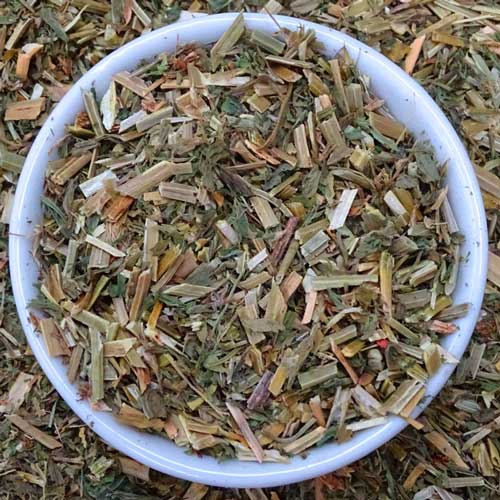
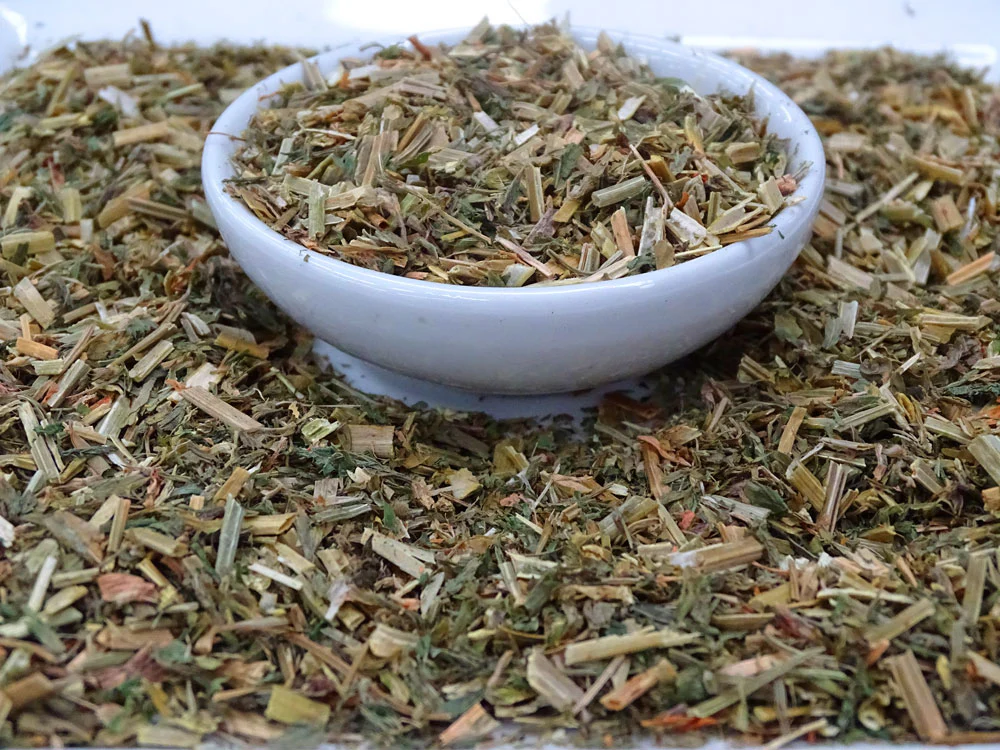
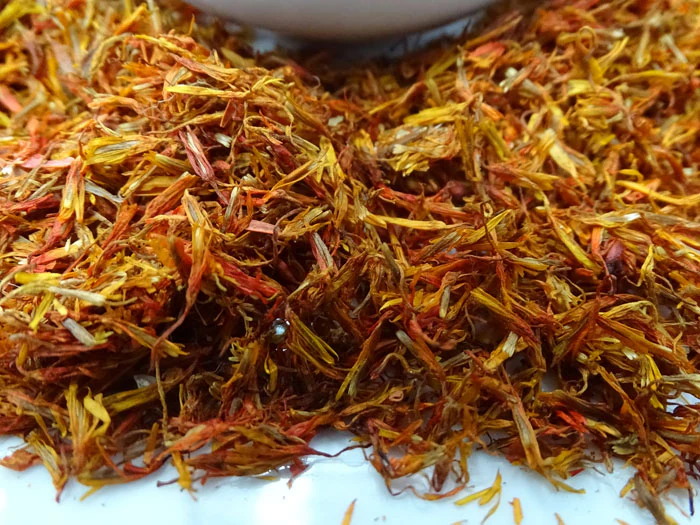
Safflower Tea (Carthamus Tinctorius) bears a striking colour and was used for centuries for food colouring and fabrics, along with being a cheaper substitution for Saffron.
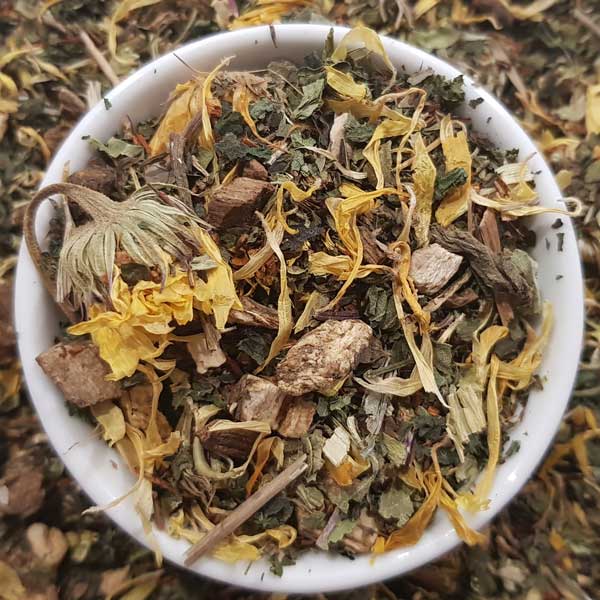
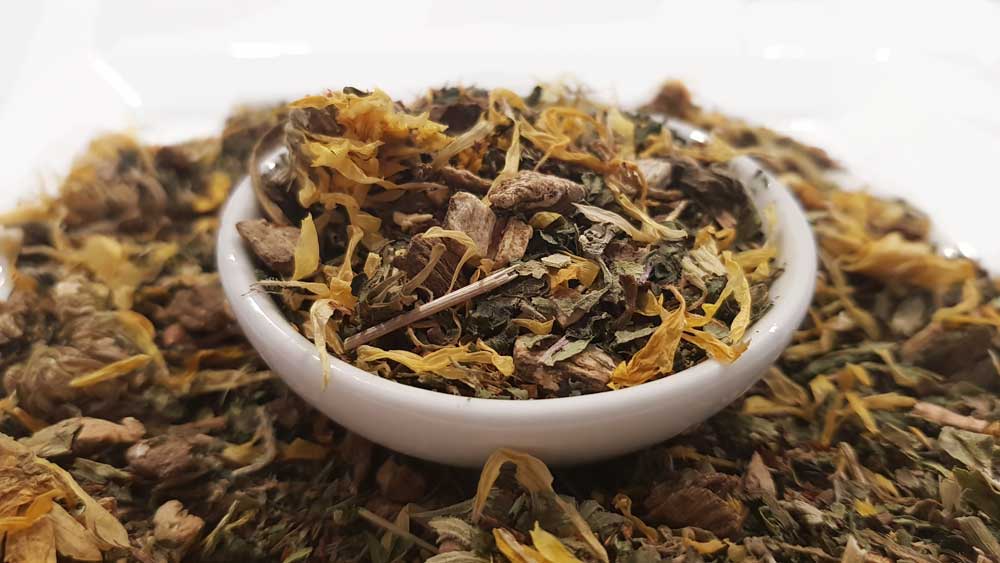
Add a little sunshine to a cup of Safflower Tea. Made from: Bright safflower petals This naturally caffeine-free brew.
Pours: Warm golden; Aroma: Delicate, honeyed-floral. This is a refreshing daily drink - hot or iced - and can be enjoyed either way - as part of your wellness routine or evening wind-down.
organically grown India
Health Benefits Of Safflower Tea
Safflower Tea has many health benefits and has been shown to help with blood circulation, reducing inflammation and lactic acid in the muscles.
Circulation - A natural blood thinner, this herb assists with circulation and menstrual flow.
Heart Health - Linoleic acids help to lower bad cholesterol naturally, and thus may prevent this from becoming a factor in heart disease along with a 14% increase in good cholesterol according to studies.
Anti-inflammatory - Joint health such as arthritis and gout can benefit from this herb as it helps to continually flush toxins from the system and helps along the production of hydrochloric acid (which helps to remove uric acid from the body).
A Muscle Herb - By reducing lactic acid in the body, this herb is known to be taken by athletes to increase performance and reduce recovery times.
Psoriasis - Some more recent claims of this petal is that it can aid against psoriasis.
Brewing
- Add one teaspoon to cup of boiling hot water
- Steep for 2 minutes
- Milk is not recommended, but honey is commonly used
Cautionary notes
Pregnancy and breastfeeding: Avoid unless instructed by a medical professional. Safflower has emmenagogue/uterine-stimulating activity and is therefore usually avoided during pregnancy and when trying to become pregnant.
Bleeding and surgery: May raise bleeding tendency. Caution if you have serious periods or even use anticoagulants/antiplatelets (warfarin, aspirin, clopidogrel). Stop 2 weeks before surgery unless advised by your doctor.
Allergies: Safflower is in Asteraceae - daisy family; Avoid if allergic to ragweed / chamomile / marigold / daisies or similar plants.
Blood sugar & blood pressure: Only limited evidence points to effects; Monitor and get medical advice if you are taking diabetes or other antihypertensives.
General: stop if you experience side effects; persistent menstrual pain / abnormal bleeding / cardiovascular symptoms are reasons for medical assessment and not self-treatment.
Original: $852.29
-70%$852.29
$255.69


Description
Safflower Tea (Carthamus Tinctorius) bears a striking colour and was used for centuries for food colouring and fabrics, along with being a cheaper substitution for Saffron.
Add a little sunshine to a cup of Safflower Tea. Made from: Bright safflower petals This naturally caffeine-free brew.
Pours: Warm golden; Aroma: Delicate, honeyed-floral. This is a refreshing daily drink - hot or iced - and can be enjoyed either way - as part of your wellness routine or evening wind-down.
organically grown India
Health Benefits Of Safflower Tea
Safflower Tea has many health benefits and has been shown to help with blood circulation, reducing inflammation and lactic acid in the muscles.
Circulation - A natural blood thinner, this herb assists with circulation and menstrual flow.
Heart Health - Linoleic acids help to lower bad cholesterol naturally, and thus may prevent this from becoming a factor in heart disease along with a 14% increase in good cholesterol according to studies.
Anti-inflammatory - Joint health such as arthritis and gout can benefit from this herb as it helps to continually flush toxins from the system and helps along the production of hydrochloric acid (which helps to remove uric acid from the body).
A Muscle Herb - By reducing lactic acid in the body, this herb is known to be taken by athletes to increase performance and reduce recovery times.
Psoriasis - Some more recent claims of this petal is that it can aid against psoriasis.
Brewing
- Add one teaspoon to cup of boiling hot water
- Steep for 2 minutes
- Milk is not recommended, but honey is commonly used
Cautionary notes
Pregnancy and breastfeeding: Avoid unless instructed by a medical professional. Safflower has emmenagogue/uterine-stimulating activity and is therefore usually avoided during pregnancy and when trying to become pregnant.
Bleeding and surgery: May raise bleeding tendency. Caution if you have serious periods or even use anticoagulants/antiplatelets (warfarin, aspirin, clopidogrel). Stop 2 weeks before surgery unless advised by your doctor.
Allergies: Safflower is in Asteraceae - daisy family; Avoid if allergic to ragweed / chamomile / marigold / daisies or similar plants.
Blood sugar & blood pressure: Only limited evidence points to effects; Monitor and get medical advice if you are taking diabetes or other antihypertensives.
General: stop if you experience side effects; persistent menstrual pain / abnormal bleeding / cardiovascular symptoms are reasons for medical assessment and not self-treatment.