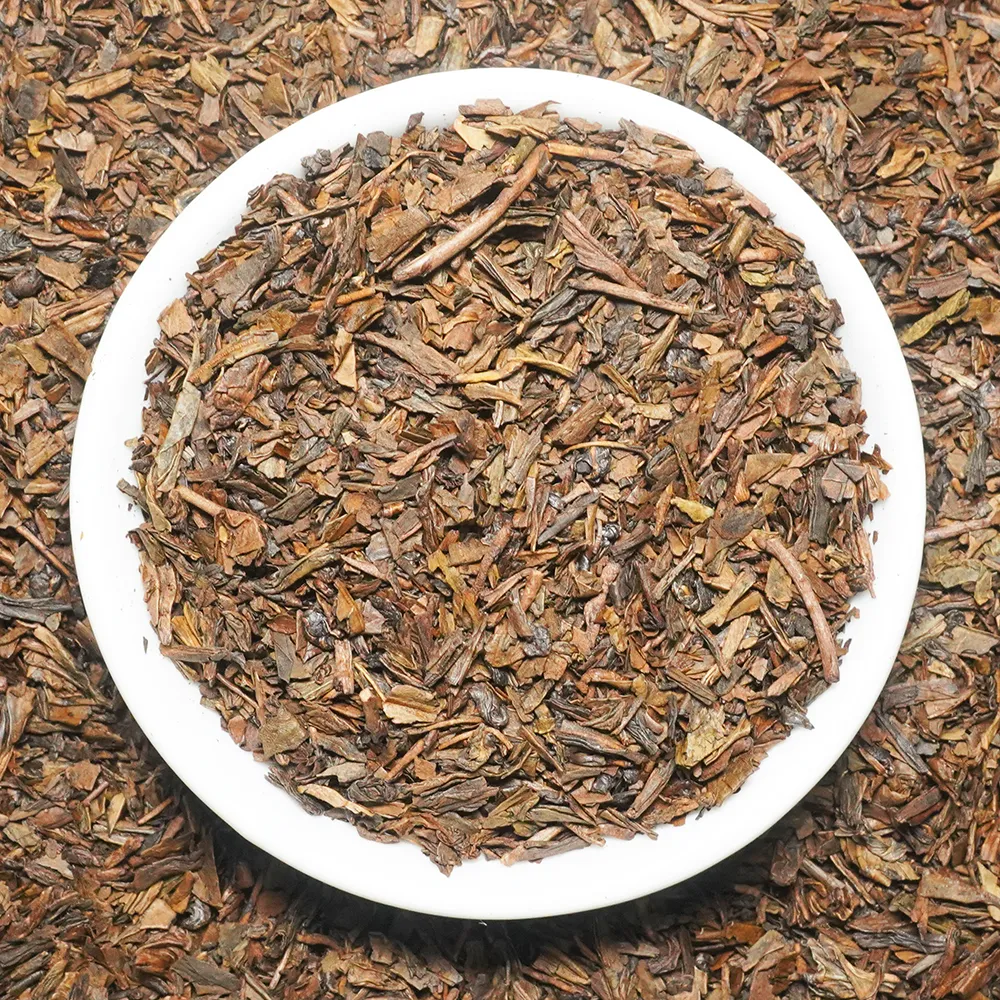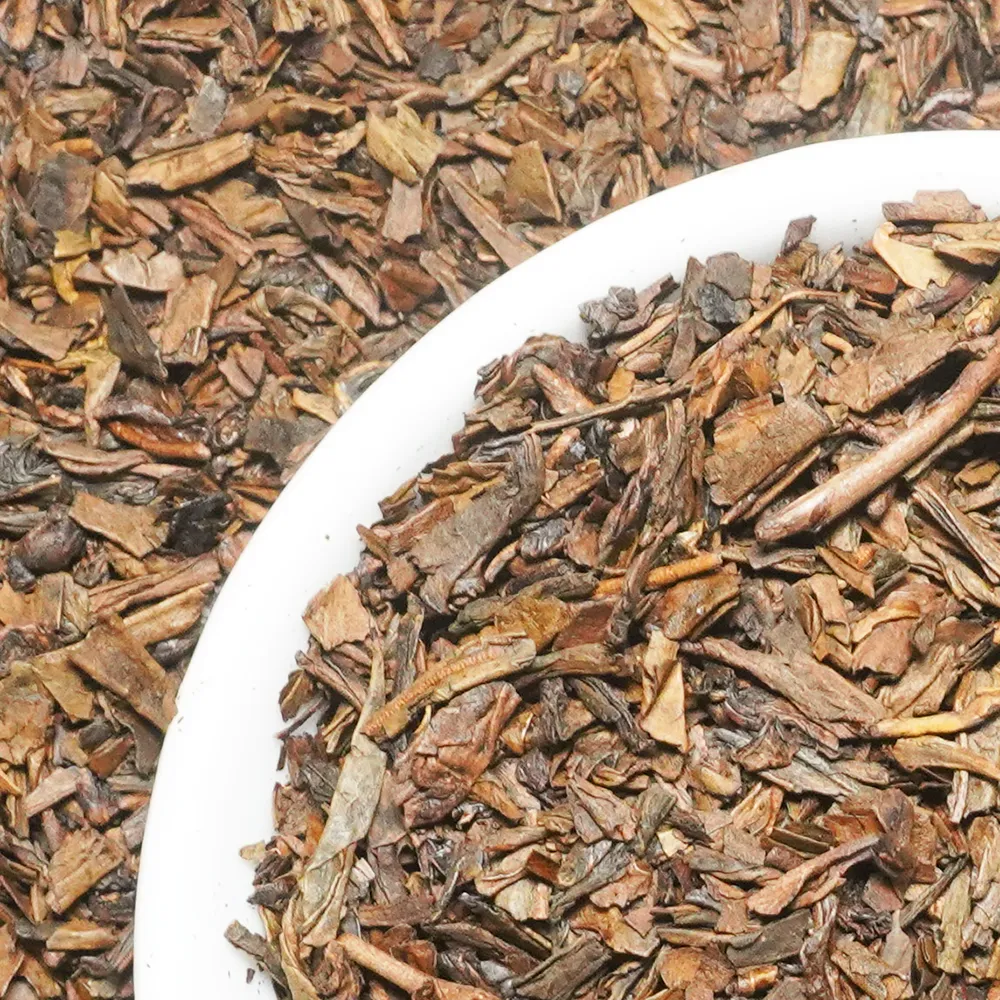
Nettle Tea
Stinging Nettle Tea (Urtica diocia) has for a long time been used to treat allergy symptoms, particularly hay-fever.
A known diuretic and anti-inflammatory, Nettle is used to treat a range of conditions including arthritis and can be great for certain kidney issues too.
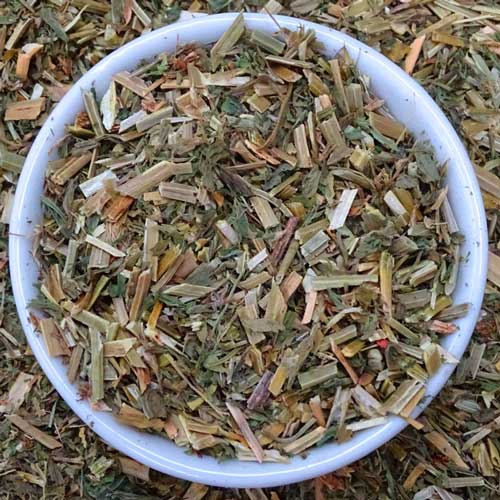
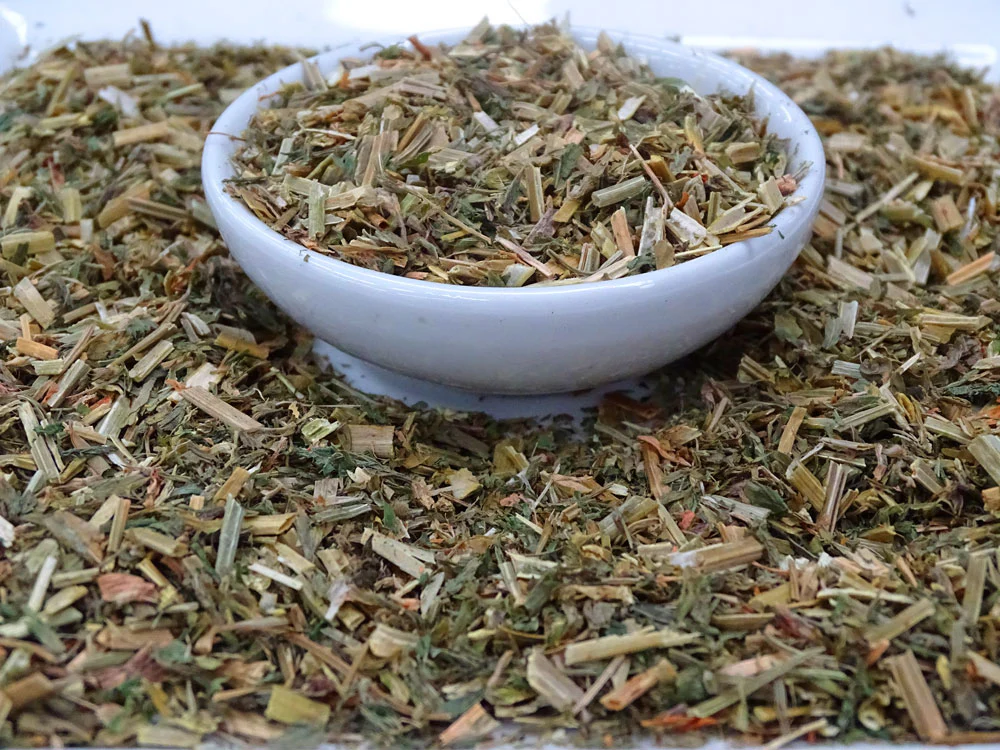
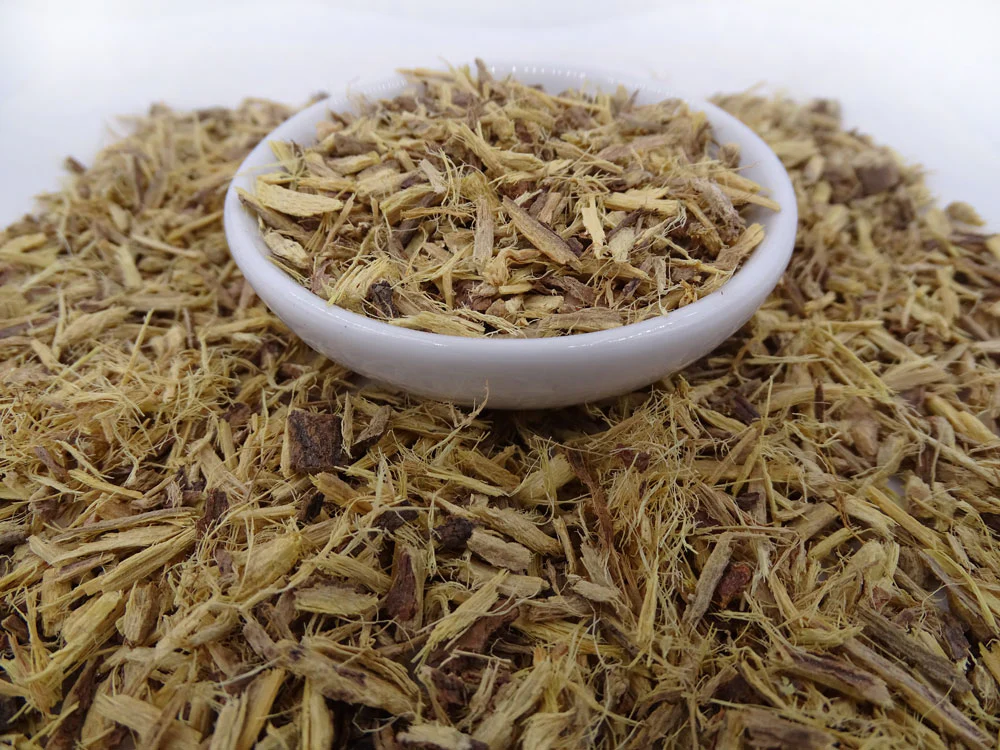
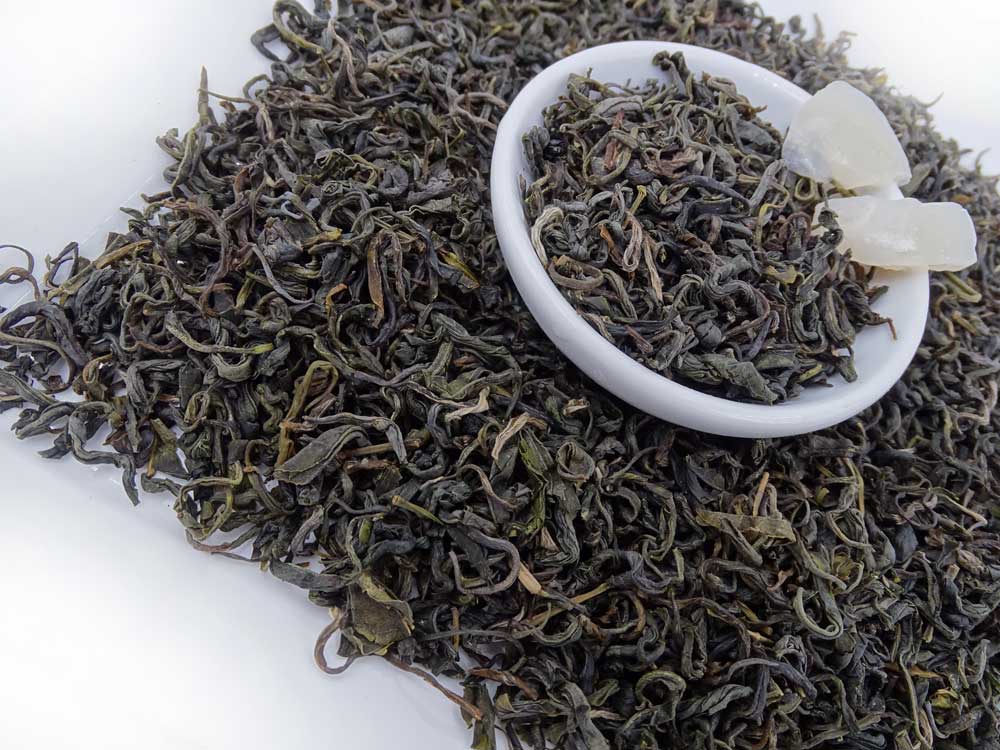
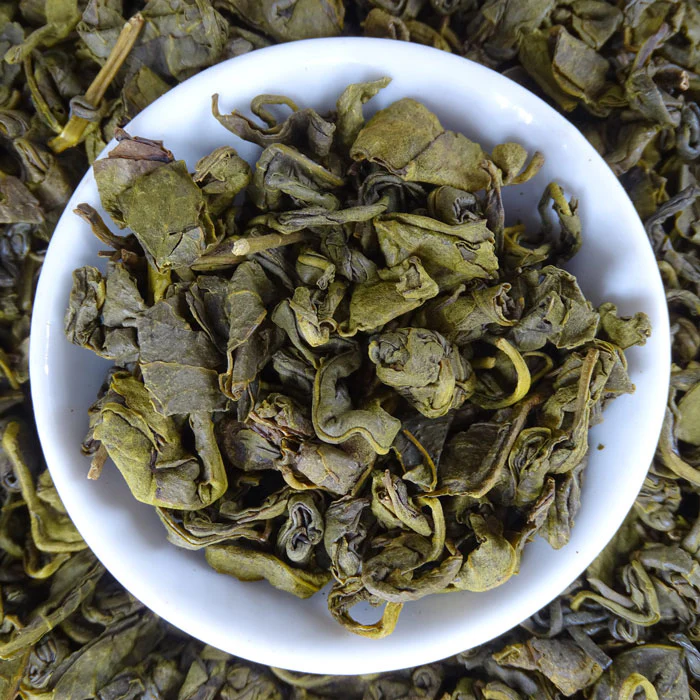
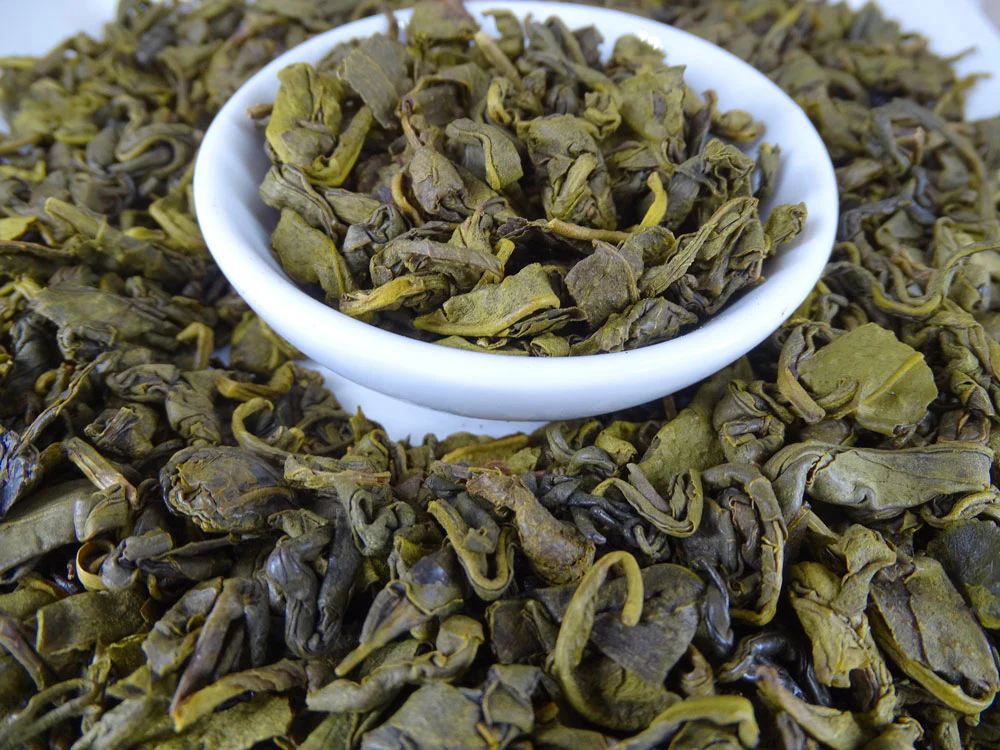
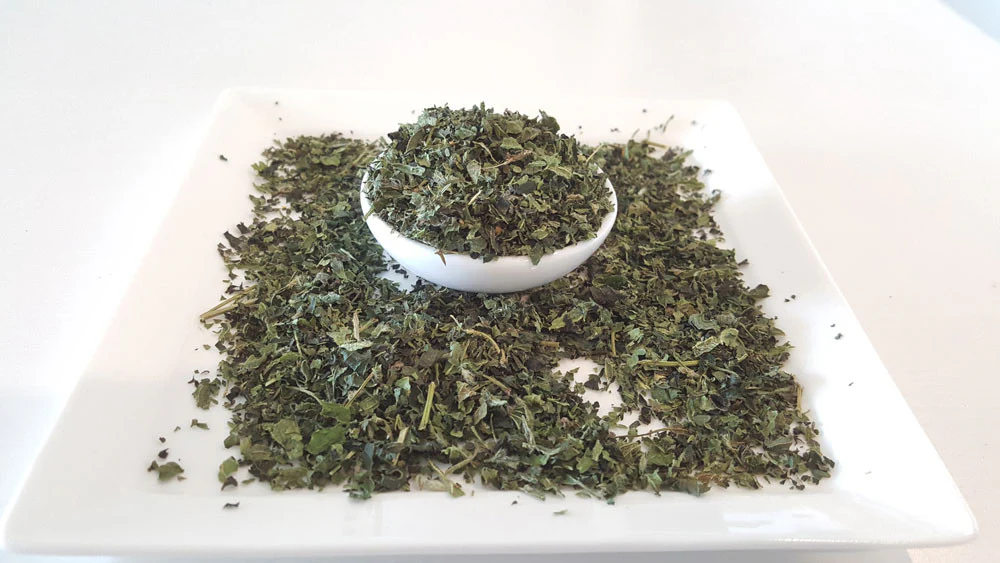
Nettle tea is an herbal infusion of dried leaves of the stinging nettle plant - without the sting once dried and brewed. It's like a meadow from a mug: tender herb and clean minerality with a soft savoury sweetness - not florals or spice - but savoury sweetness.
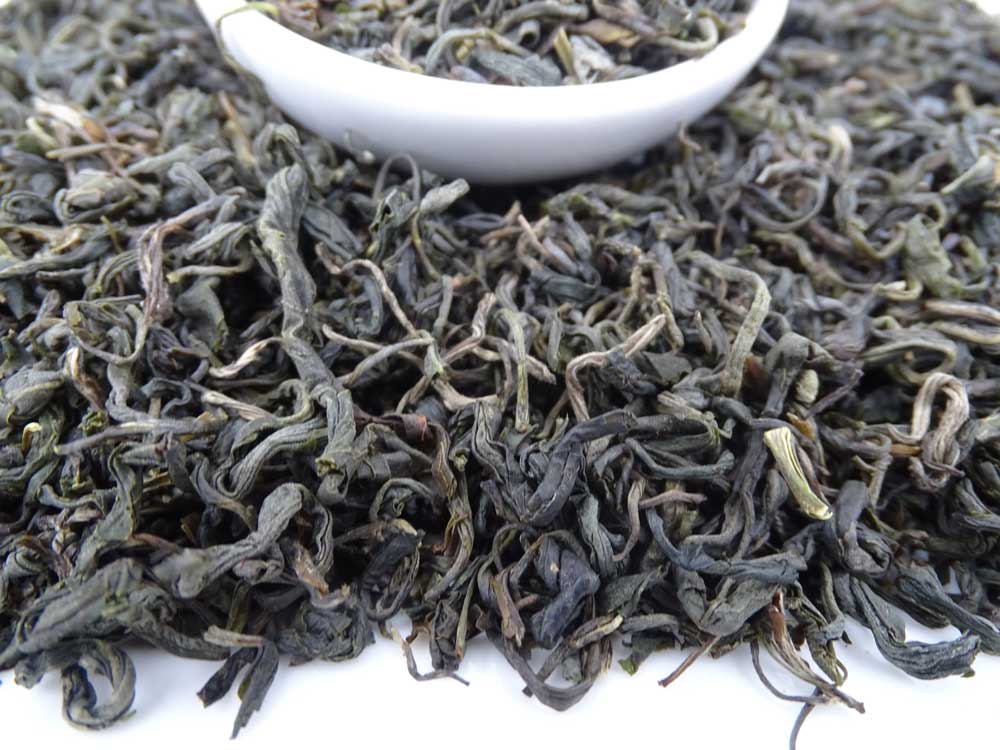
Traditionally drunk as a spring tonic in Europe and beyond, nettle leaf makes a light, nourishing cup without being heavy. Good lots are green and slightly spinachy; they produce a clear straw-green liquor with a clean finish that is food friendly.
Short steeps keep it light & refreshing; A little longer yields more body and a slightly brothy quality that goes well with lemon, honey or a mint leaf. In blends nettle is a subtle base note - great with citrus peel, ginger, spearmint and rose - but on its own it makes a great all-day sipper and goes well with meals.
organically grown Bulgaria
Flavour and Aroma
Aroma: Fresh herb, hay, light vegetal, clean mineral.
Taste: Soft green, lightly savoury-sweet, crisp finish.
Body: light-medium, smooth
Bitterness/astringency: low; Over-steeped can be herbaceous.
Ingredients
Nettle leaf 100% dried nettle leaf.
Botanical name: Urtica dioica L.
Caffeine Level
None (caffeine-free).
How to brew
Western style (mug/pot)
2-3 g per 250 ml.
95 degC water
5 to 7 minutes under cover, then strain.
Re-steep: once; add 2-3 minutes
Iced / cold brew
5-8 g/L cold filtered water.
Refrigerate 6-8 hrs; strain (clean, meadow-fresh)
When to drink
All day - good with meals as a table pitcher, or as an evening cup. A little squeeze of lemon and honey is nice.
Health benefits
Traditional use (leaf/aerial parts): Urticae herba leaf and aerial parts is an EMA/HMPC recognised traditional herbal product for specified uses; see current EU herbal monograph & assessment.
Symptom context of allergy: leaf extract. A double-blind nettle leaf RCT showed benefit versus placebo in allergic rhinitus over a week in a small early trial.
Tea-style chemistry: Identifiable phenolics and antioxidant activity in vitro of aqueous nettle-leaf extracts/infusions support the traditional use of the herb (lab data only; no clinical efficacy).
Cardiometabolic expectations: Endothelial function & BP were not improved in a 6-week trial of twice daily brewed nettles tea - useful for estimating realistic expectations.
(General information only; Few human trials of nettle tea exist, and many study concentrated extracts.
Health-related notes (general)
Eat as much as you like in food-style portions as part of a good diet. Keep aromatics covered while steeping. Flavour strength: adjust leaf and time of taste according to cut and origin.
Cautionary
Allergy/sensitivity: If allergic to nettle or related plants; Avoid. Immediately stop if you experience unusual symptoms.
Medicines/conditions: For diuretics, blood-pressure or diabetes medicines or kidney/heart conditions affecting fluid balance, seek personalised advice before regular use.
Vitamin K and warfarin: Nettle leaf is high in vitamin-K; If on warfarin, discuss regular intake with your clinician.
Pregnancy and breastfeeding: Avoid medicinal strength unless advised by a health professional.
Keep out of reach of kids.
Storage and Shelf Life
Keep cool, dark and dry. Best within 12-18 months. Green aromatics fade after opening.
Quick FAQs
Still stinging?
No - drying and brewing inactivate irritant hairs!
How does this taste?
It is clean and green - more like mild spinach/herb than mint or flowers.
What if I blend it?
Yes - great with lemon peel, ginger, spearmint or rose for lift.
Original: $781.27
-70%$781.27
$234.38


Description
Stinging Nettle Tea (Urtica diocia) has for a long time been used to treat allergy symptoms, particularly hay-fever.
A known diuretic and anti-inflammatory, Nettle is used to treat a range of conditions including arthritis and can be great for certain kidney issues too.
Nettle tea is an herbal infusion of dried leaves of the stinging nettle plant - without the sting once dried and brewed. It's like a meadow from a mug: tender herb and clean minerality with a soft savoury sweetness - not florals or spice - but savoury sweetness.
Traditionally drunk as a spring tonic in Europe and beyond, nettle leaf makes a light, nourishing cup without being heavy. Good lots are green and slightly spinachy; they produce a clear straw-green liquor with a clean finish that is food friendly.
Short steeps keep it light & refreshing; A little longer yields more body and a slightly brothy quality that goes well with lemon, honey or a mint leaf. In blends nettle is a subtle base note - great with citrus peel, ginger, spearmint and rose - but on its own it makes a great all-day sipper and goes well with meals.
organically grown Bulgaria
Flavour and Aroma
Aroma: Fresh herb, hay, light vegetal, clean mineral.
Taste: Soft green, lightly savoury-sweet, crisp finish.
Body: light-medium, smooth
Bitterness/astringency: low; Over-steeped can be herbaceous.
Ingredients
Nettle leaf 100% dried nettle leaf.
Botanical name: Urtica dioica L.
Caffeine Level
None (caffeine-free).
How to brew
Western style (mug/pot)
2-3 g per 250 ml.
95 degC water
5 to 7 minutes under cover, then strain.
Re-steep: once; add 2-3 minutes
Iced / cold brew
5-8 g/L cold filtered water.
Refrigerate 6-8 hrs; strain (clean, meadow-fresh)
When to drink
All day - good with meals as a table pitcher, or as an evening cup. A little squeeze of lemon and honey is nice.
Health benefits
Traditional use (leaf/aerial parts): Urticae herba leaf and aerial parts is an EMA/HMPC recognised traditional herbal product for specified uses; see current EU herbal monograph & assessment.
Symptom context of allergy: leaf extract. A double-blind nettle leaf RCT showed benefit versus placebo in allergic rhinitus over a week in a small early trial.
Tea-style chemistry: Identifiable phenolics and antioxidant activity in vitro of aqueous nettle-leaf extracts/infusions support the traditional use of the herb (lab data only; no clinical efficacy).
Cardiometabolic expectations: Endothelial function & BP were not improved in a 6-week trial of twice daily brewed nettles tea - useful for estimating realistic expectations.
(General information only; Few human trials of nettle tea exist, and many study concentrated extracts.
Health-related notes (general)
Eat as much as you like in food-style portions as part of a good diet. Keep aromatics covered while steeping. Flavour strength: adjust leaf and time of taste according to cut and origin.
Cautionary
Allergy/sensitivity: If allergic to nettle or related plants; Avoid. Immediately stop if you experience unusual symptoms.
Medicines/conditions: For diuretics, blood-pressure or diabetes medicines or kidney/heart conditions affecting fluid balance, seek personalised advice before regular use.
Vitamin K and warfarin: Nettle leaf is high in vitamin-K; If on warfarin, discuss regular intake with your clinician.
Pregnancy and breastfeeding: Avoid medicinal strength unless advised by a health professional.
Keep out of reach of kids.
Storage and Shelf Life
Keep cool, dark and dry. Best within 12-18 months. Green aromatics fade after opening.
Quick FAQs
Still stinging?
No - drying and brewing inactivate irritant hairs!
How does this taste?
It is clean and green - more like mild spinach/herb than mint or flowers.
What if I blend it?
Yes - great with lemon peel, ginger, spearmint or rose for lift.