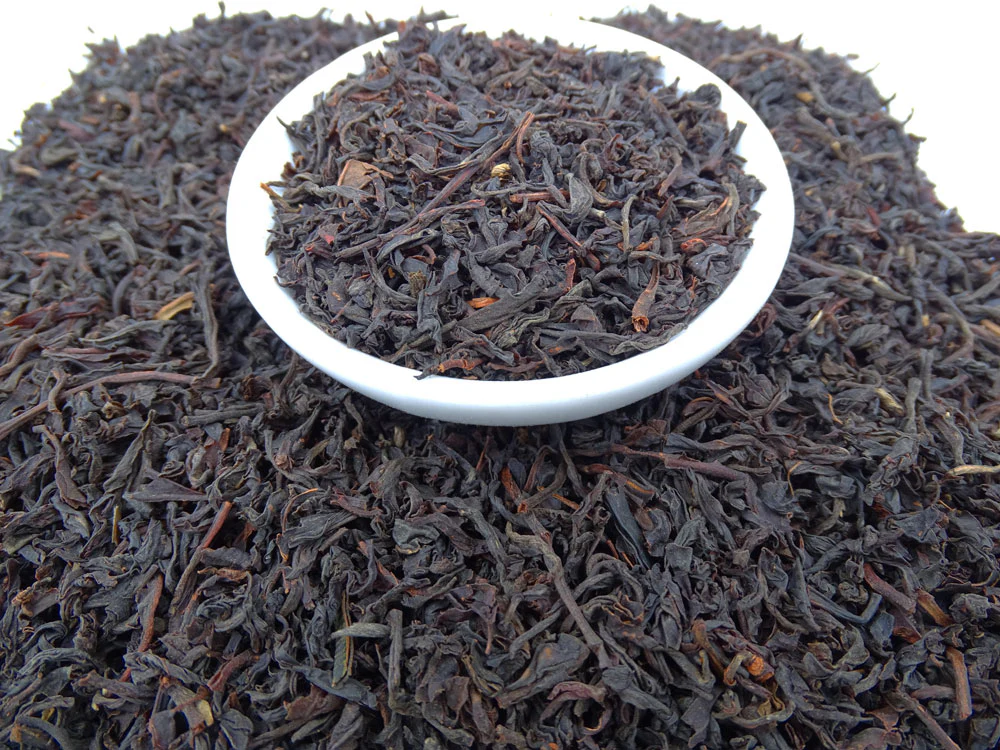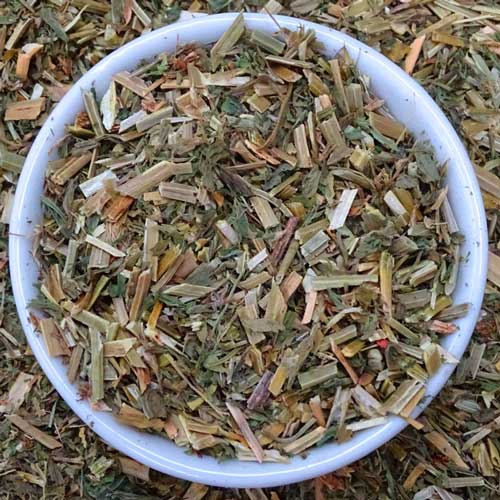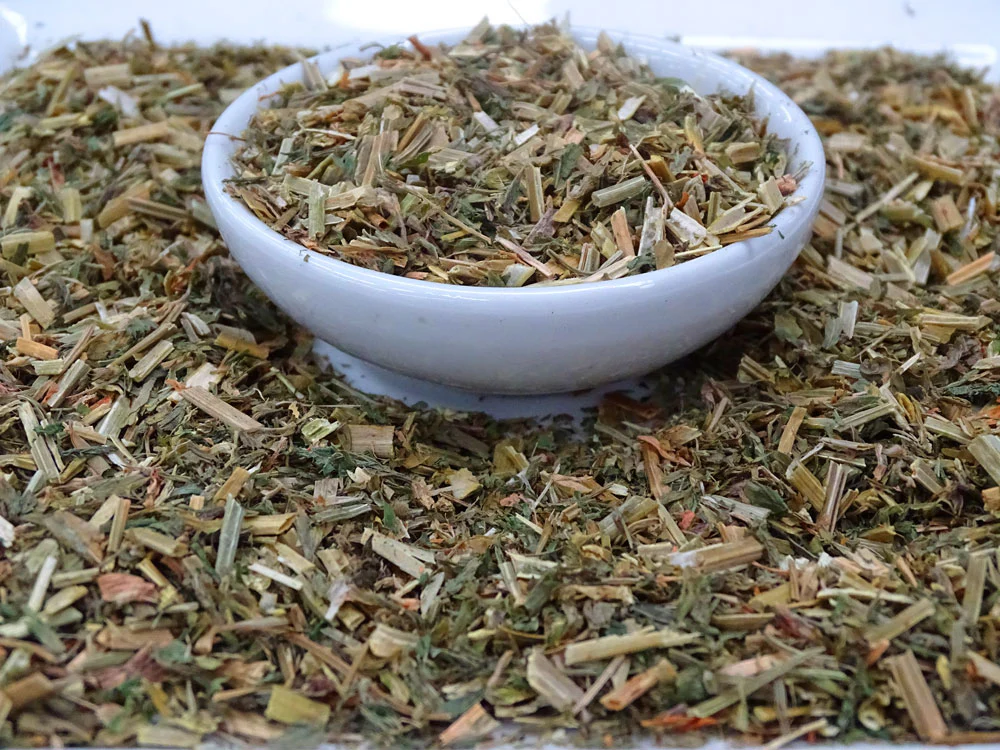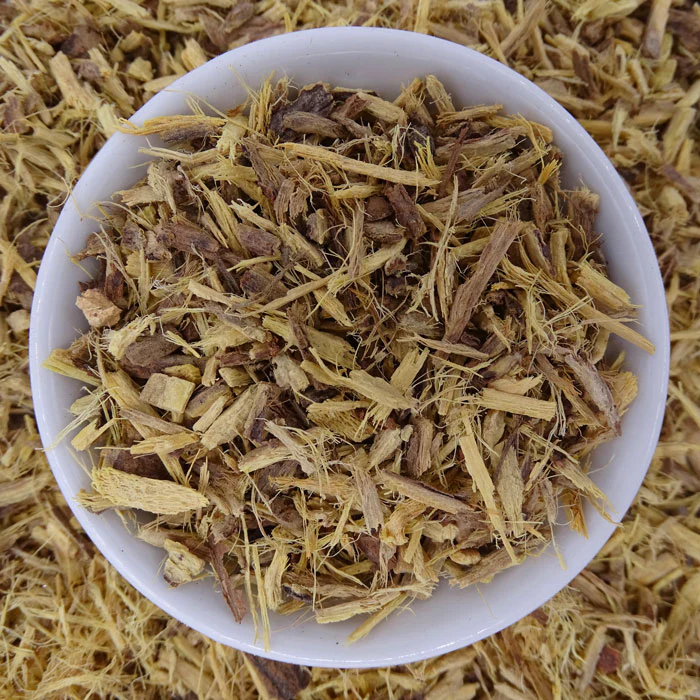
Neem Tea
The leaves of the neem tree (Azadirachta indica) is where neem tea comes from, a strong herbal infusion native to India that is grown in tropical and subtropical zones.
Due to its broad application range, neem has been revered for centuries in Ayurvedic tradition and is sometimes called a "village pharmacy" plant. The actual tea itself is bitter and bold - a flavor profile derived from the plant's naturally occurring compounds - flavonoids, triterpenoids, and polyphenols.
In some cultures, neem leaves are steeped as a cleansing drink for balancing strength and resilience. This character - sharp, bitter, and strongly herbal - also defines it as a functional brew for things such as oral care, liver protection and not just a recreational tea.
Taste Profile
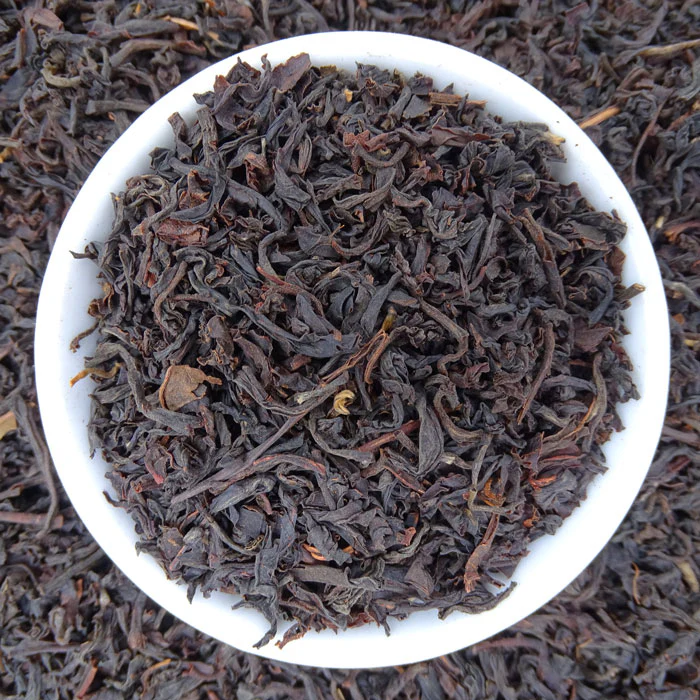
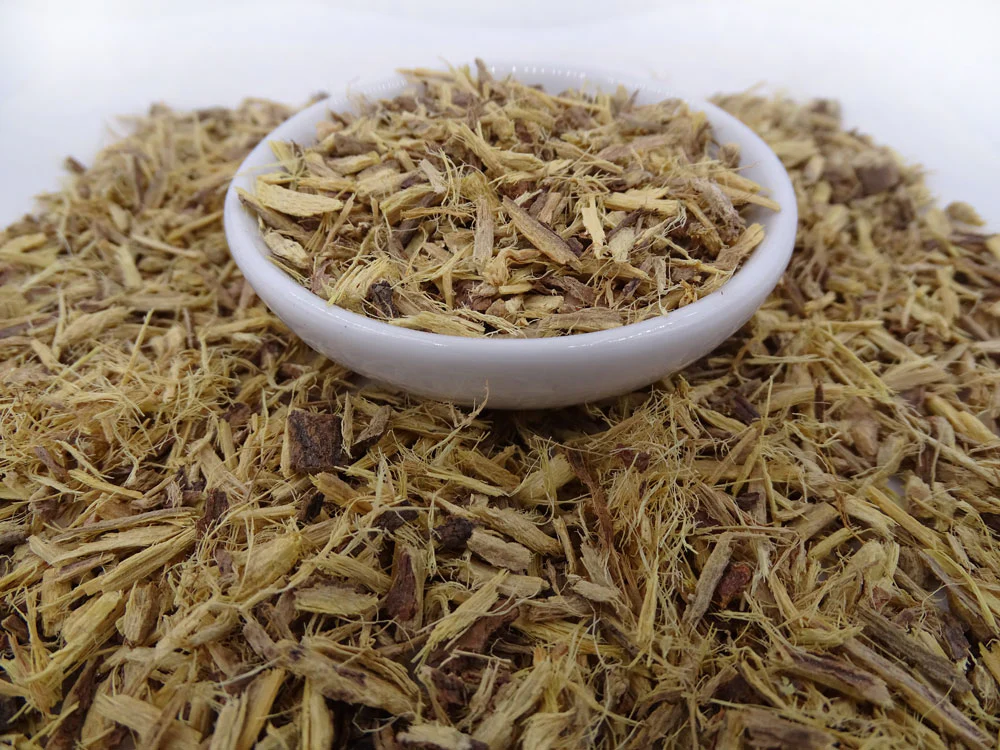
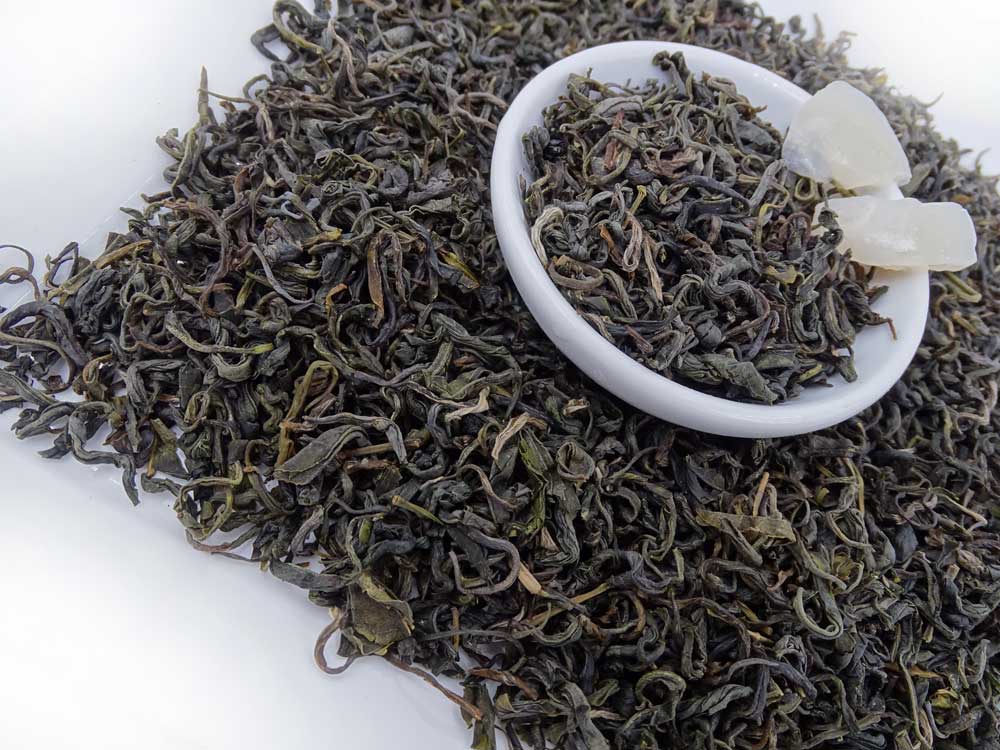
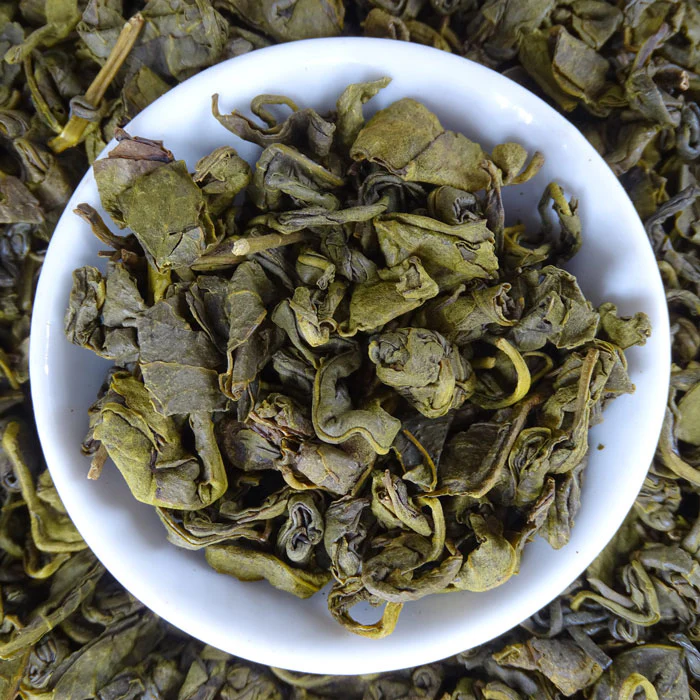
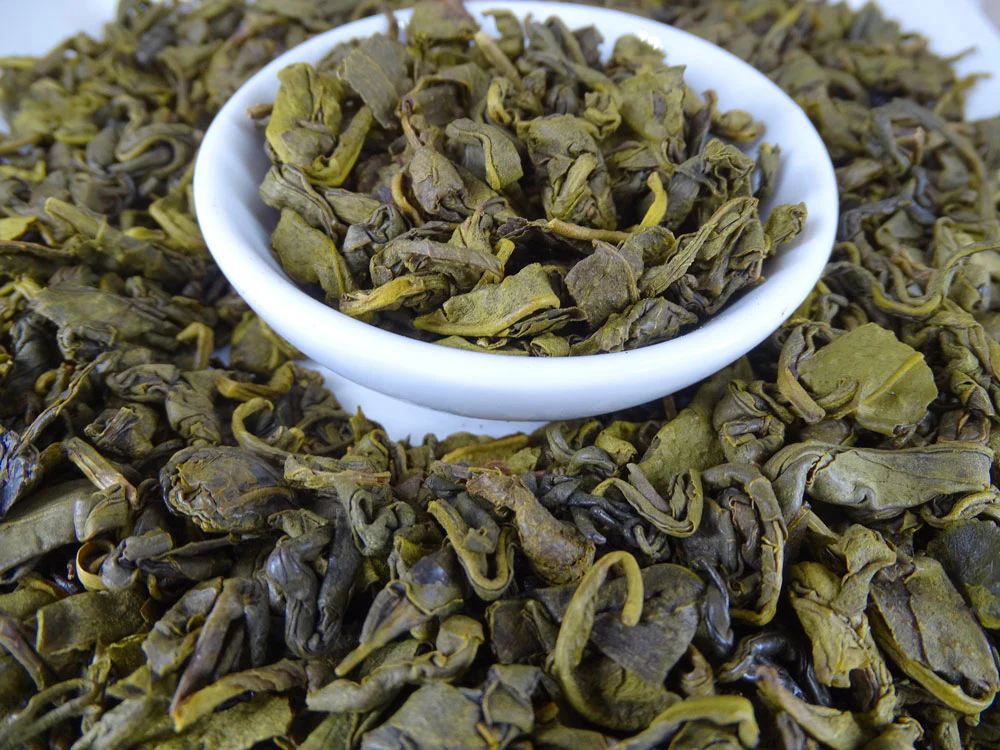
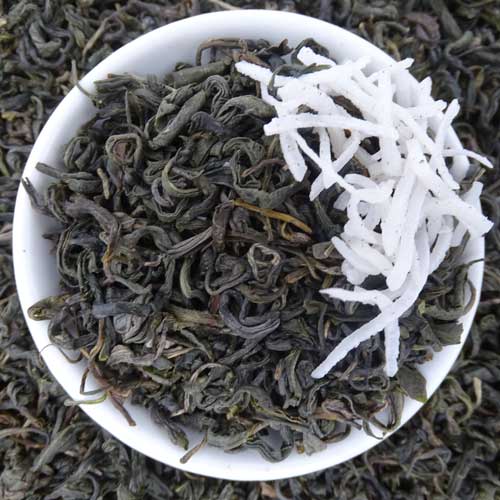
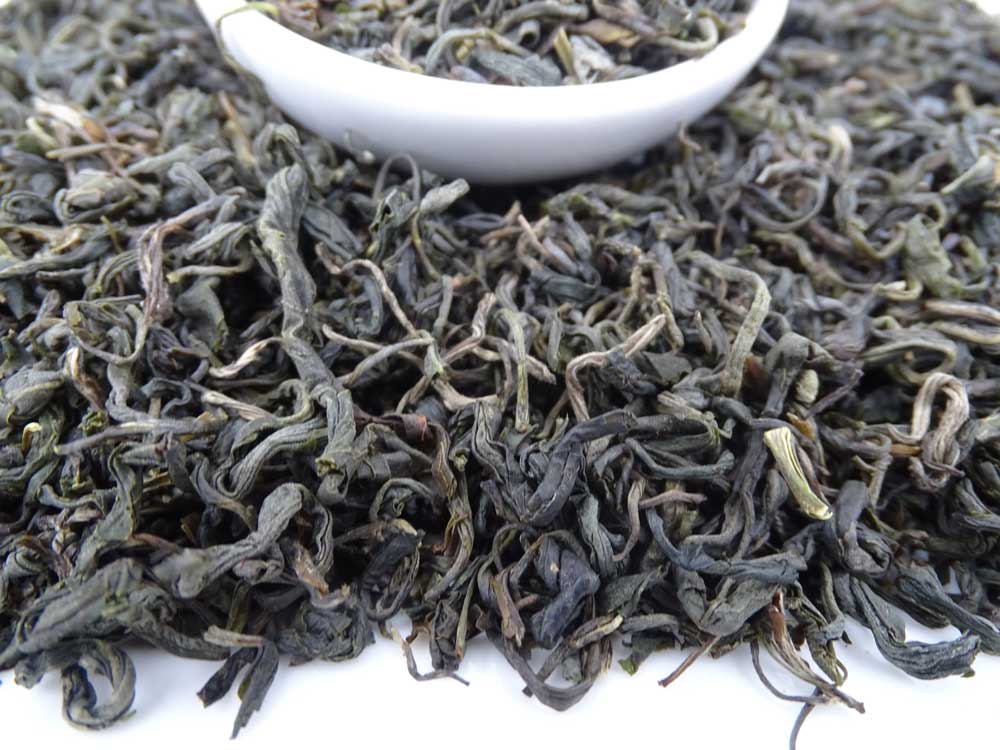
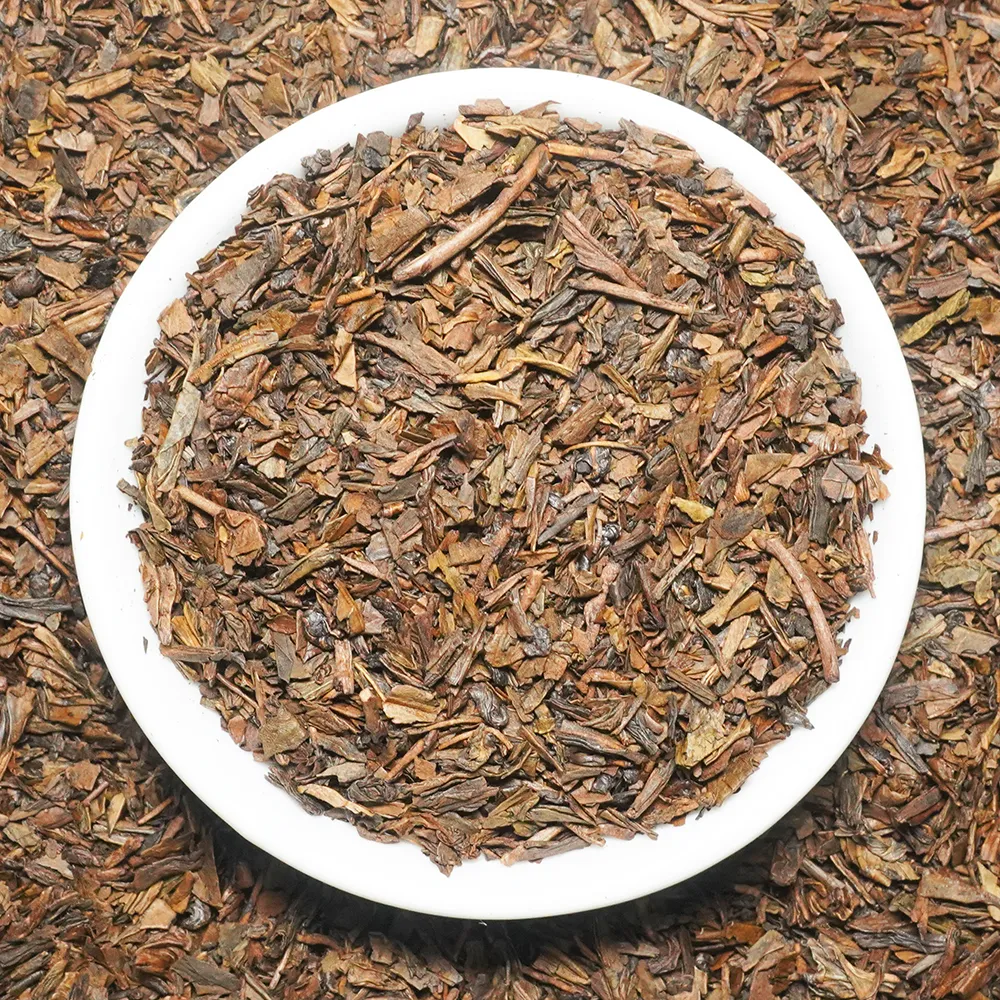
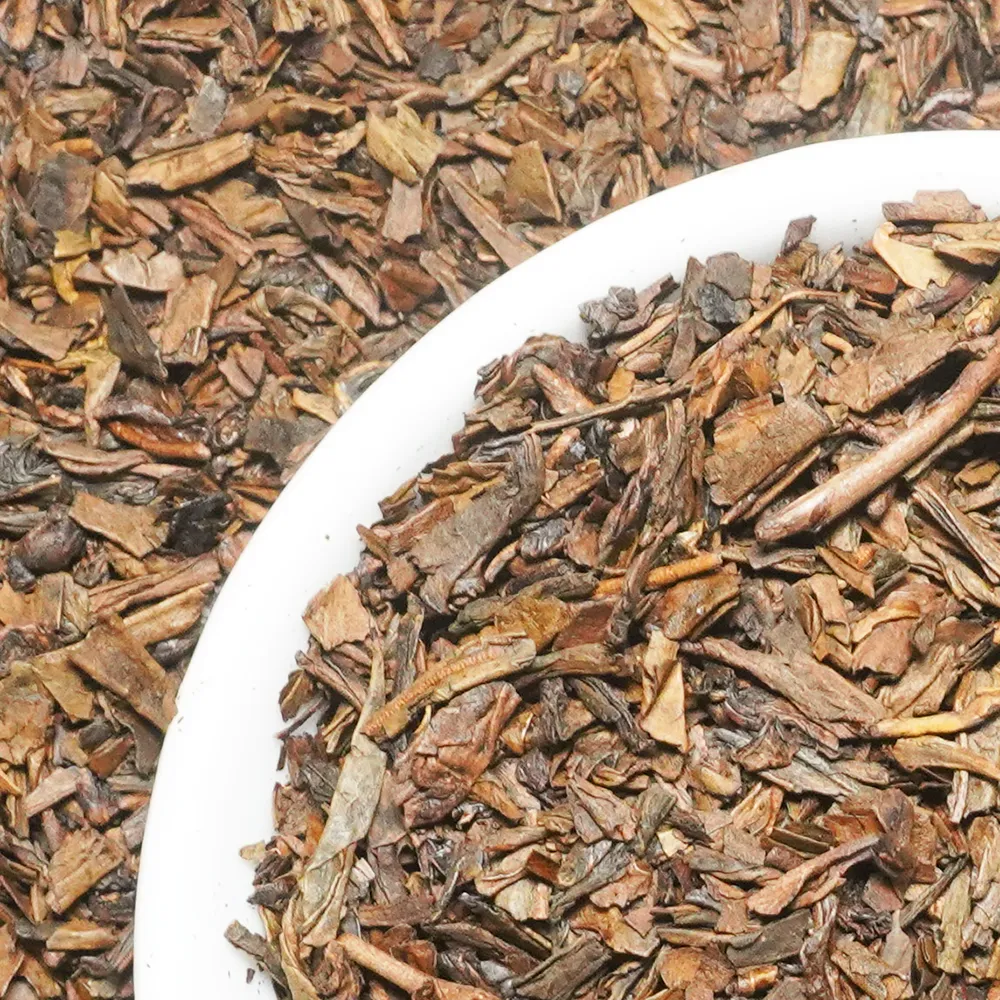
Aroma: Very herbal, earthy and woody with sharp green notes.
Taste: Bitter and bold with deep earthy undertones and lasting sharpness.
Mouthfeel: Taste: Brisk and slightly dry on the palate.
Finish: The taste is bitter and clean.
Liquor colour: Deep golden-green to amber.
Ingredients
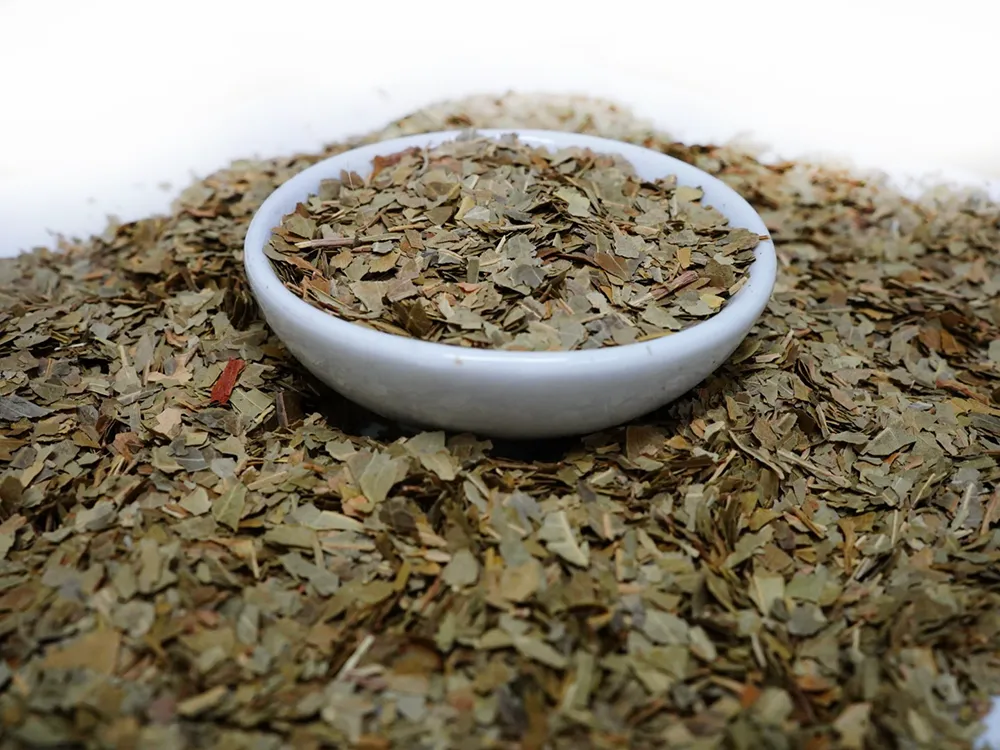
All neem leaves are dried.
Botanical name
Azadirachta indica
Caffeine level
Naturally caffeine-free.
How to brew
Western style: 1 tsp per cup, steep at 95 degrees Celsius for 5-7 minutes. Adjust steeping time so that bitterness is balanced.
Gongfu style: Neem is rarely used because of its potency, but very short infusions (10-15 seconds) may yield a more gentle cup.
Iced / Cold brew: Make 1 tablespoon in cold water, steep in the fridge for 4-6 hours, strain, and enjoy chilled as a herbal tonic.
When to drink
Best drunk in the morning or early afternoon as a cleansing herbal tea. The bitterness makes it less suitable for nighttime drinking.
Health benefits
Neem leaf extracts have antibacterial, antifungal, and antiviral activity against some pathogens in laboratory studies.
Activating inflammatory pathways - Bioactive compounds in neem modulate inflammatory pathways and may reduce markers of inflammation in preclinical models.
Neem leaves are high in polyphenols and flavonoids and show strong antioxidant activity in vitro, supporting the neutralization of free radicals.
A randomized, double-blind clinical trial of neem leaf and twig extracts for metabolic and glycemic support in type 2 diabetes.
Clinical trials of neem mouthwash or gel showed reduced plaque and gingival inflammation, suggesting an oral care intervention
Neem may protect liver cells and reduce hepatic stress markers.
Health-related notes
Neem has been traditionally used in Ayurvedic and folk medicine for skin, digestion, immunity, and metabolic support. While laboratory and early clinical findings suggest promise, there is still little strong clinical evidence in humans.
Cautionary
Neem may interact with medications for diabetes, blood pressure or immune suppression.
Avoid using during pregnancy and nursing.
Not recommended for children without medical advice.
It is bitter, so start with small amounts to gauge tolerance.
Storage 1and1 shelf life
Keep in a closed, airtight container cool, dry, away from direct light. Best consumed within 18-24 months for maximum freshness.
Original: $1,207.41
-70%$1,207.41
$362.22

Description
The leaves of the neem tree (Azadirachta indica) is where neem tea comes from, a strong herbal infusion native to India that is grown in tropical and subtropical zones.
Due to its broad application range, neem has been revered for centuries in Ayurvedic tradition and is sometimes called a "village pharmacy" plant. The actual tea itself is bitter and bold - a flavor profile derived from the plant's naturally occurring compounds - flavonoids, triterpenoids, and polyphenols.
In some cultures, neem leaves are steeped as a cleansing drink for balancing strength and resilience. This character - sharp, bitter, and strongly herbal - also defines it as a functional brew for things such as oral care, liver protection and not just a recreational tea.
Taste Profile
Aroma: Very herbal, earthy and woody with sharp green notes.
Taste: Bitter and bold with deep earthy undertones and lasting sharpness.
Mouthfeel: Taste: Brisk and slightly dry on the palate.
Finish: The taste is bitter and clean.
Liquor colour: Deep golden-green to amber.
Ingredients
All neem leaves are dried.
Botanical name
Azadirachta indica
Caffeine level
Naturally caffeine-free.
How to brew
Western style: 1 tsp per cup, steep at 95 degrees Celsius for 5-7 minutes. Adjust steeping time so that bitterness is balanced.
Gongfu style: Neem is rarely used because of its potency, but very short infusions (10-15 seconds) may yield a more gentle cup.
Iced / Cold brew: Make 1 tablespoon in cold water, steep in the fridge for 4-6 hours, strain, and enjoy chilled as a herbal tonic.
When to drink
Best drunk in the morning or early afternoon as a cleansing herbal tea. The bitterness makes it less suitable for nighttime drinking.
Health benefits
Neem leaf extracts have antibacterial, antifungal, and antiviral activity against some pathogens in laboratory studies.
Activating inflammatory pathways - Bioactive compounds in neem modulate inflammatory pathways and may reduce markers of inflammation in preclinical models.
Neem leaves are high in polyphenols and flavonoids and show strong antioxidant activity in vitro, supporting the neutralization of free radicals.
A randomized, double-blind clinical trial of neem leaf and twig extracts for metabolic and glycemic support in type 2 diabetes.
Clinical trials of neem mouthwash or gel showed reduced plaque and gingival inflammation, suggesting an oral care intervention
Neem may protect liver cells and reduce hepatic stress markers.
Health-related notes
Neem has been traditionally used in Ayurvedic and folk medicine for skin, digestion, immunity, and metabolic support. While laboratory and early clinical findings suggest promise, there is still little strong clinical evidence in humans.
Cautionary
Neem may interact with medications for diabetes, blood pressure or immune suppression.
Avoid using during pregnancy and nursing.
Not recommended for children without medical advice.
It is bitter, so start with small amounts to gauge tolerance.
Storage 1and1 shelf life
Keep in a closed, airtight container cool, dry, away from direct light. Best consumed within 18-24 months for maximum freshness.