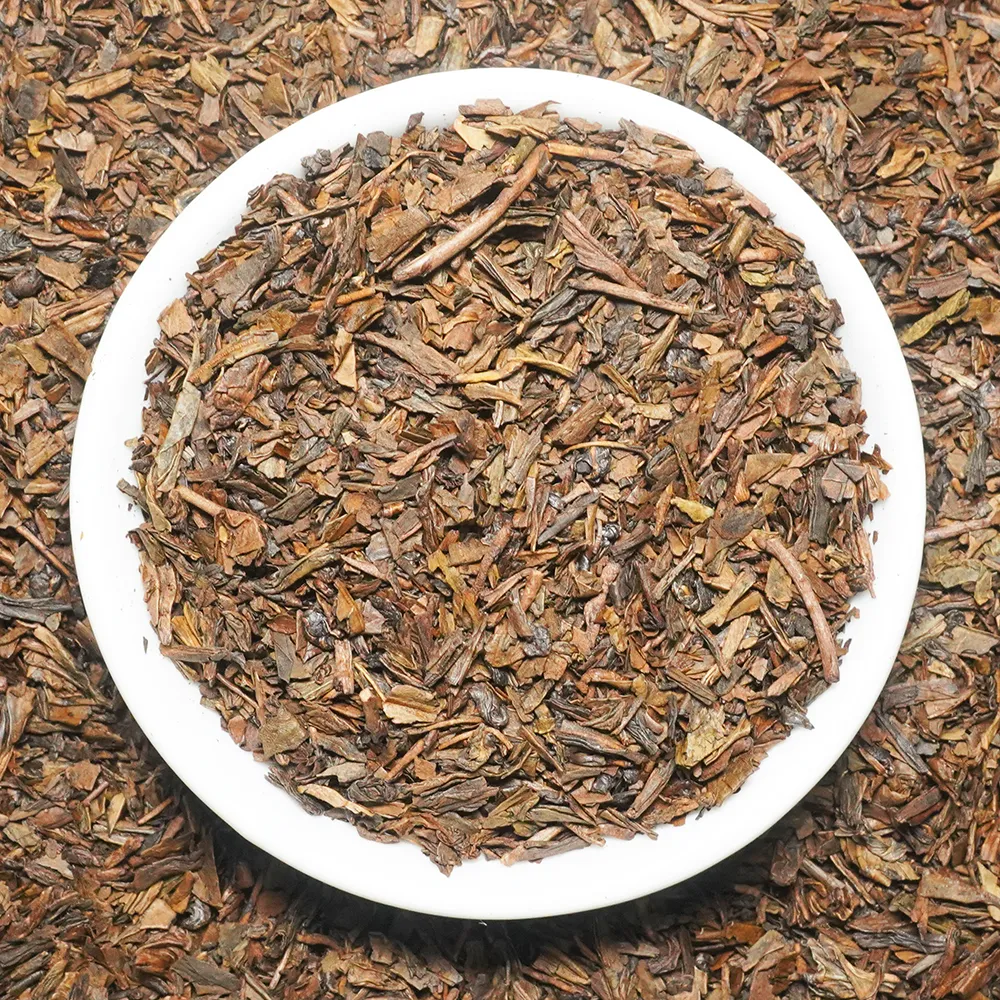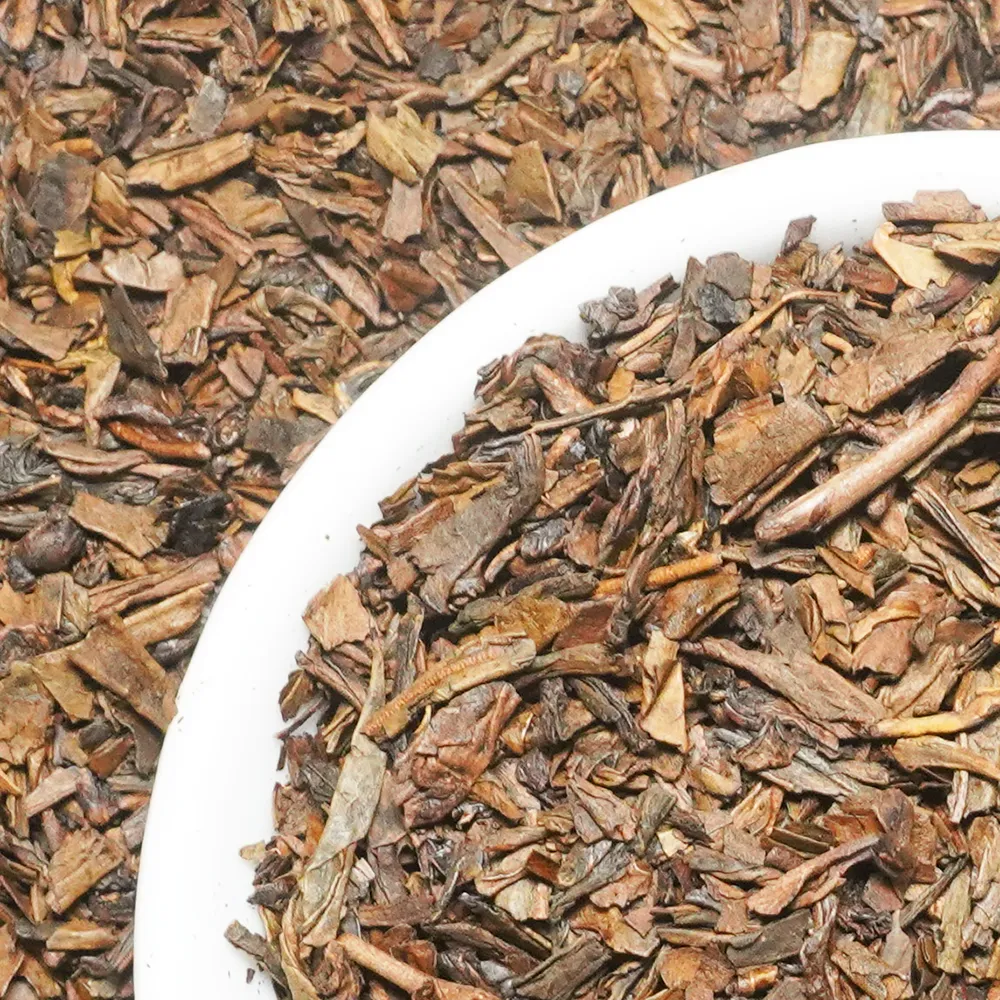
Oolong Milk Tea
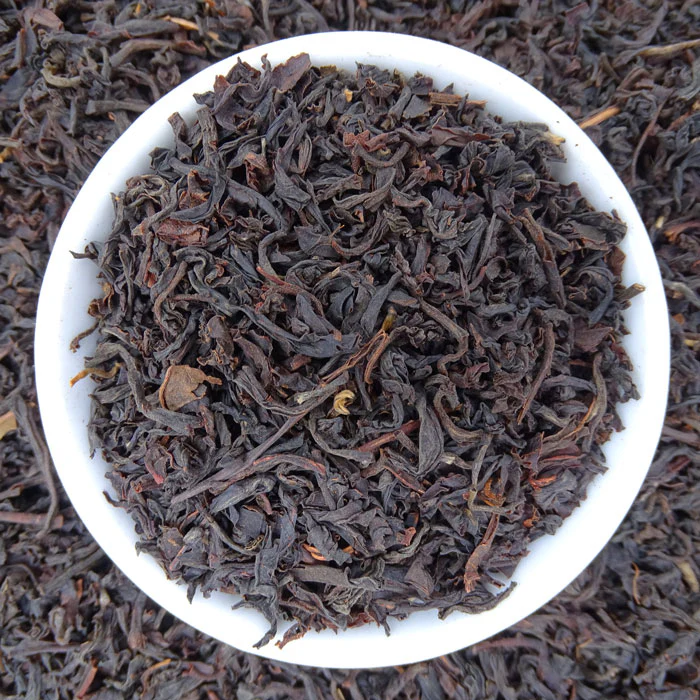
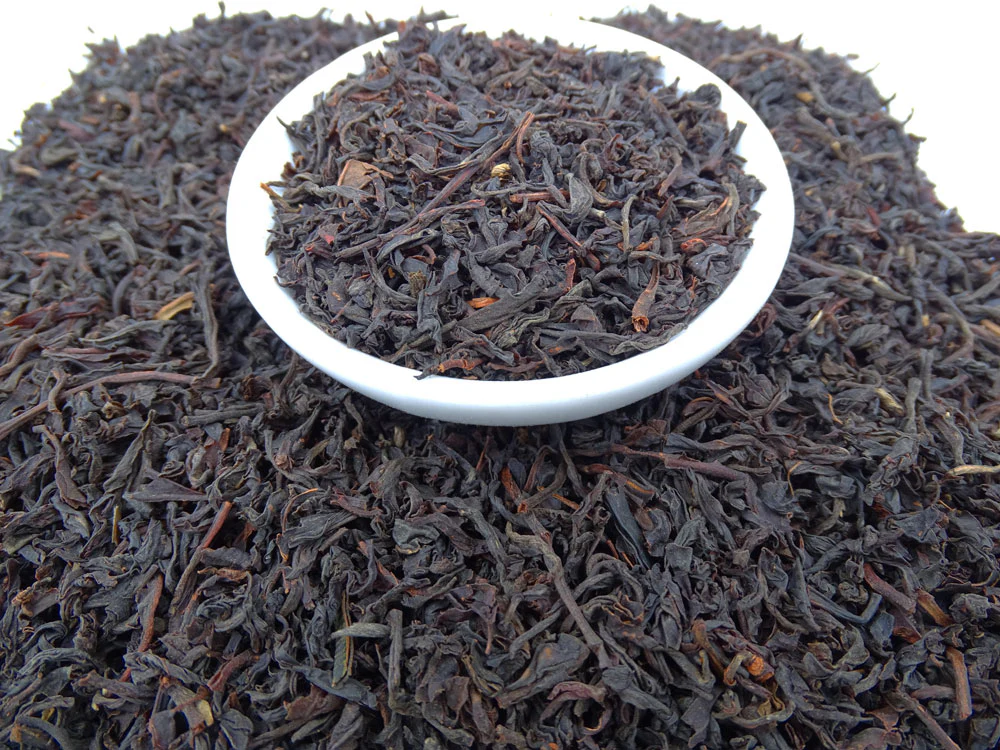
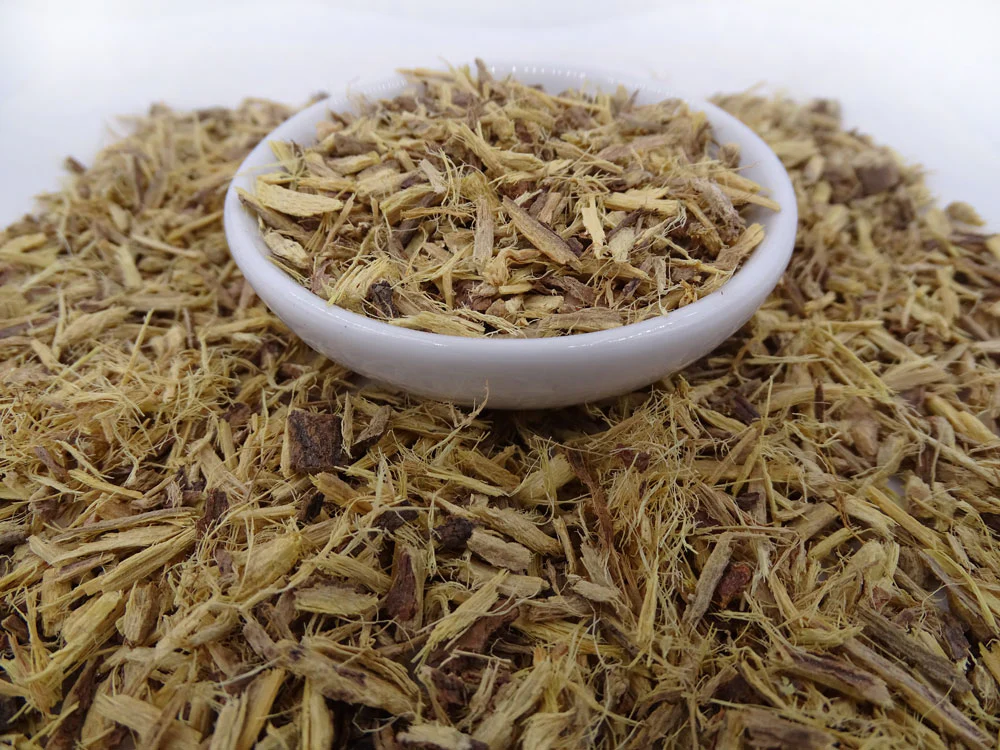
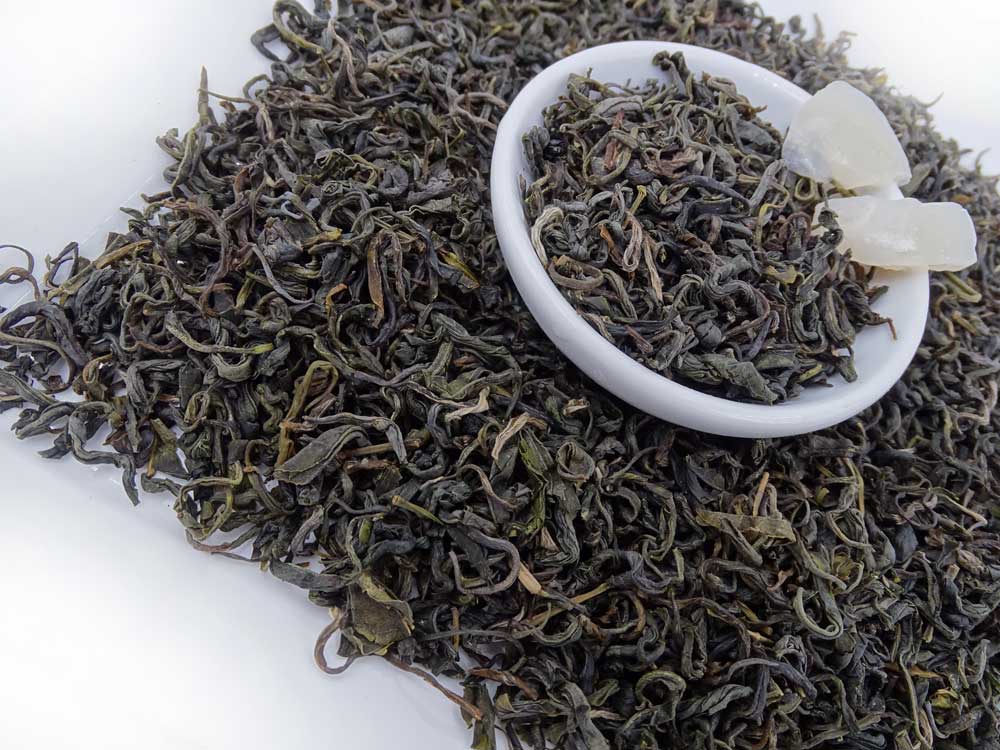
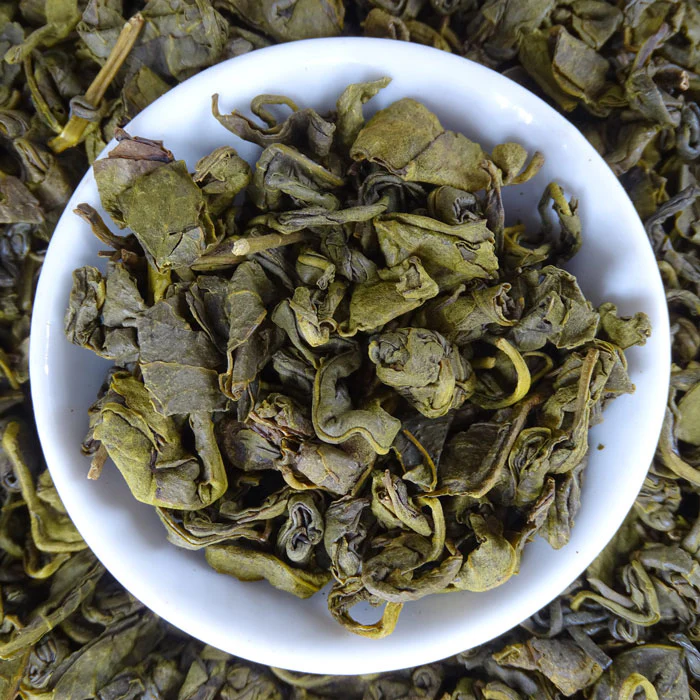
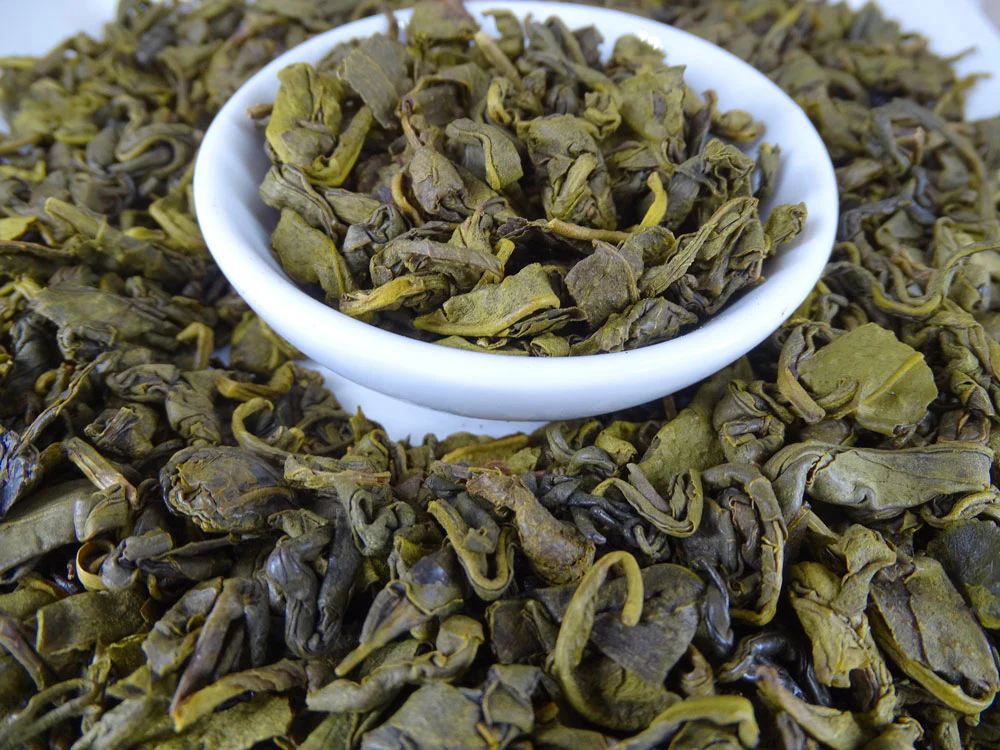
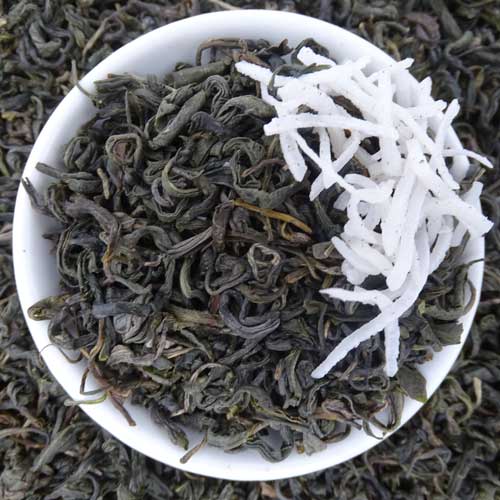
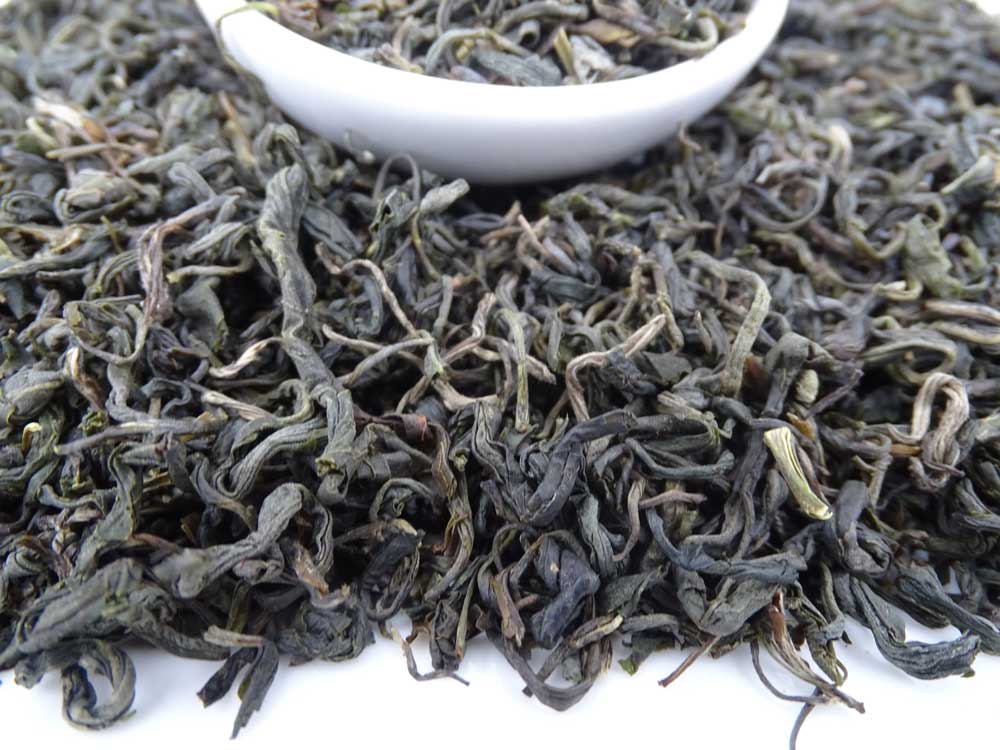
Milk Oolong (金萱, Jin Xuan which means 'Golden Lily') has an easy, flowery, creamy and smooth taste that was developed in the 1980's and is strongly recommended as a starter for people wishing to delve into the world of Oolong for the first time.
Originally grown at high altitudes of over 1000m, these altitudes provide a milkier flavour than other tea types and provide a great contrast to the normally stronger flavours of regular Oolong teas.
pesticide free China
How to Make Oolong Milk Tea
- Bring water to a near boil of 85C.
- One teaspoon is recommended per cup.
- Steeping time can be 1 to 3 minutes, but please experiment to find your preference.
- You should be able to gain 2-4 infusions, with steeping times increasing by 1 minute for each infusion.
Health benefits
Antioxidant support: Oolong contains polyphenols against oxidative stress such as catechins, the aflavins and theasinensins.
Calm focus: L-theanine in combination with natural caffeine may provide alert, steady concentration without the jitters of coffee.
Digestive comfort: Light-Medium - sized oolongs are generally drunk after meals and are easy on stomachs.
Heart and metabolic support: A healthy lifestyle with regular tea intake is associated with modest improvements in cholesterol balance and fat metabolism.
Oral health: Tea polyphenols may inhibit odour-producing bacteria and promote fresh breath.
Cautionary notes
Caffeine: moderate to high levels per cup Limit when sensitive, pregnant or nursing (total caffeine should not exceed 200 mg/day in pregnancy).
Iron absorption: Tannins may decrease non-HAEm iron uptake; Avoid iron-rich meals and supplements and leave 1-2 hours between meals & supplements.
Reflux or sensitive stomach: Taking strong infusions or drinking on an empty stomach may cause heartburn - brew lighter and take with food.
Kidney stones: tea contains oxalates; If you have a family history of calcioxalate stones, moderate intake and drink plenty of water.
Medication timing: Some medicines absorbed through tea may be impeded by it (levothyroxine, iron or mineral supplements, for example). Take medicines with water and separate by at least 2 hours.
Milk additions and flavourings: For recipes made with dairy, check for lactose intolerance or dairy allergy. Most milk oolongs smell milky and contain no dairy, but some blends contain flavourings or milk powders - check the ingredient list, and avoid added sugars if you are watching your weight or blood glucose.
Allergies: If sensitivity occurs, stop use.
Original: $710.24
-70%$710.24
$213.07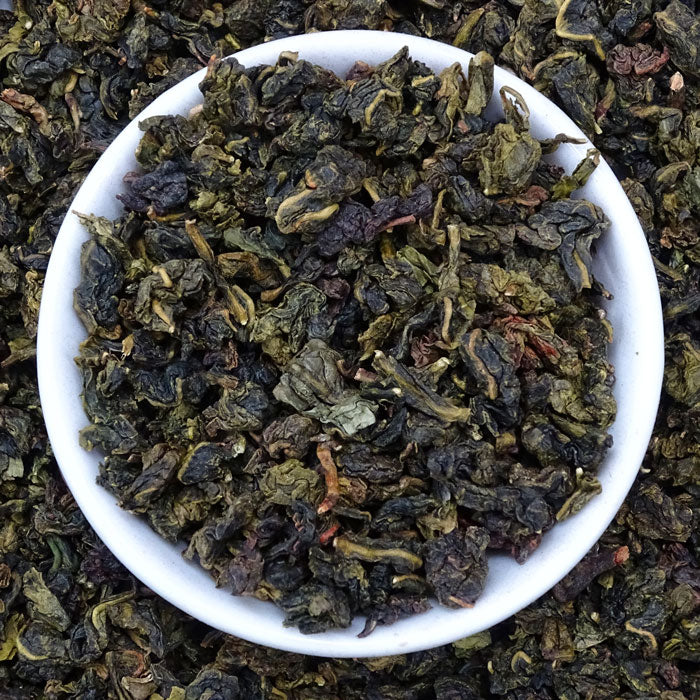


Description
Milk Oolong (金萱, Jin Xuan which means 'Golden Lily') has an easy, flowery, creamy and smooth taste that was developed in the 1980's and is strongly recommended as a starter for people wishing to delve into the world of Oolong for the first time.
Originally grown at high altitudes of over 1000m, these altitudes provide a milkier flavour than other tea types and provide a great contrast to the normally stronger flavours of regular Oolong teas.
pesticide free China
How to Make Oolong Milk Tea
- Bring water to a near boil of 85C.
- One teaspoon is recommended per cup.
- Steeping time can be 1 to 3 minutes, but please experiment to find your preference.
- You should be able to gain 2-4 infusions, with steeping times increasing by 1 minute for each infusion.
Health benefits
Antioxidant support: Oolong contains polyphenols against oxidative stress such as catechins, the aflavins and theasinensins.
Calm focus: L-theanine in combination with natural caffeine may provide alert, steady concentration without the jitters of coffee.
Digestive comfort: Light-Medium - sized oolongs are generally drunk after meals and are easy on stomachs.
Heart and metabolic support: A healthy lifestyle with regular tea intake is associated with modest improvements in cholesterol balance and fat metabolism.
Oral health: Tea polyphenols may inhibit odour-producing bacteria and promote fresh breath.
Cautionary notes
Caffeine: moderate to high levels per cup Limit when sensitive, pregnant or nursing (total caffeine should not exceed 200 mg/day in pregnancy).
Iron absorption: Tannins may decrease non-HAEm iron uptake; Avoid iron-rich meals and supplements and leave 1-2 hours between meals & supplements.
Reflux or sensitive stomach: Taking strong infusions or drinking on an empty stomach may cause heartburn - brew lighter and take with food.
Kidney stones: tea contains oxalates; If you have a family history of calcioxalate stones, moderate intake and drink plenty of water.
Medication timing: Some medicines absorbed through tea may be impeded by it (levothyroxine, iron or mineral supplements, for example). Take medicines with water and separate by at least 2 hours.
Milk additions and flavourings: For recipes made with dairy, check for lactose intolerance or dairy allergy. Most milk oolongs smell milky and contain no dairy, but some blends contain flavourings or milk powders - check the ingredient list, and avoid added sugars if you are watching your weight or blood glucose.
Allergies: If sensitivity occurs, stop use.