Eucalyptus Leaf Tea
The leaves of eucalyptus leaf tea a sweet refreshing herbal infusion. Unlike mint or chamomile it's crisp and cool with a vapourous lift that clears palate and goes well with lemon and honey.
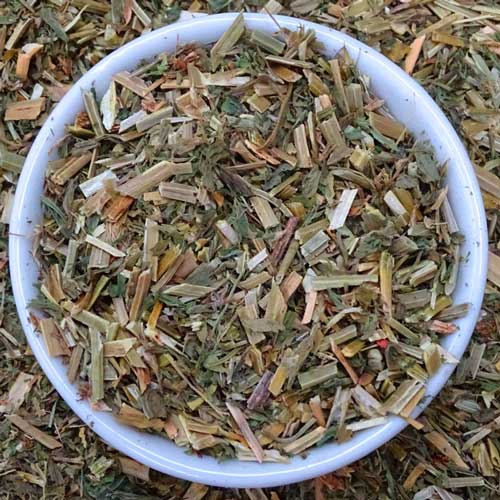
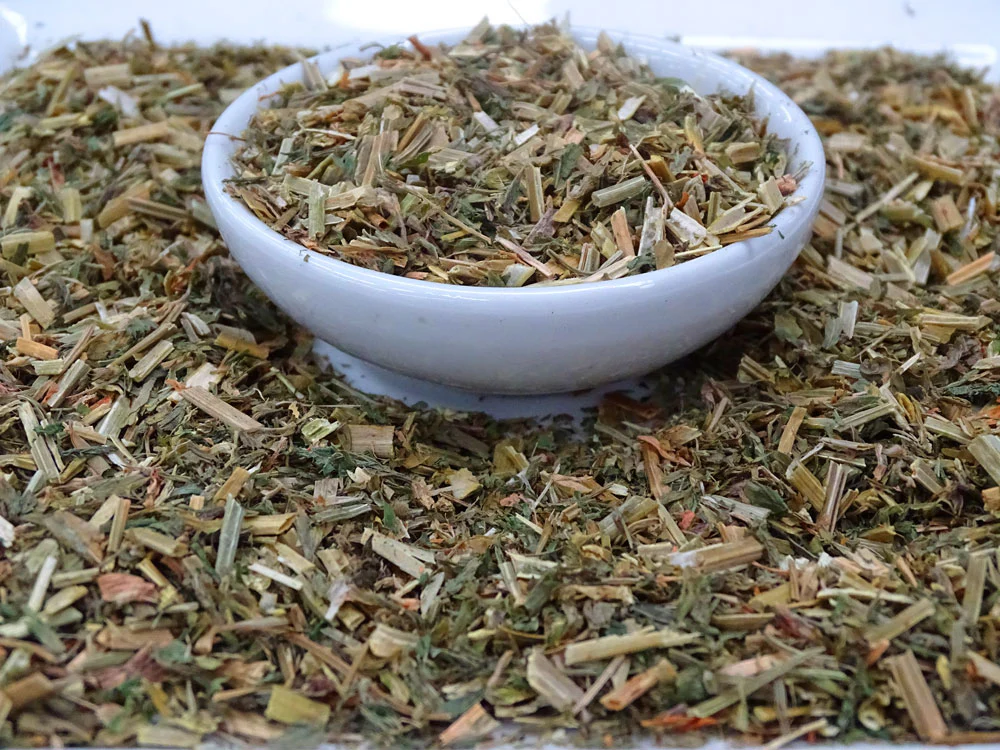
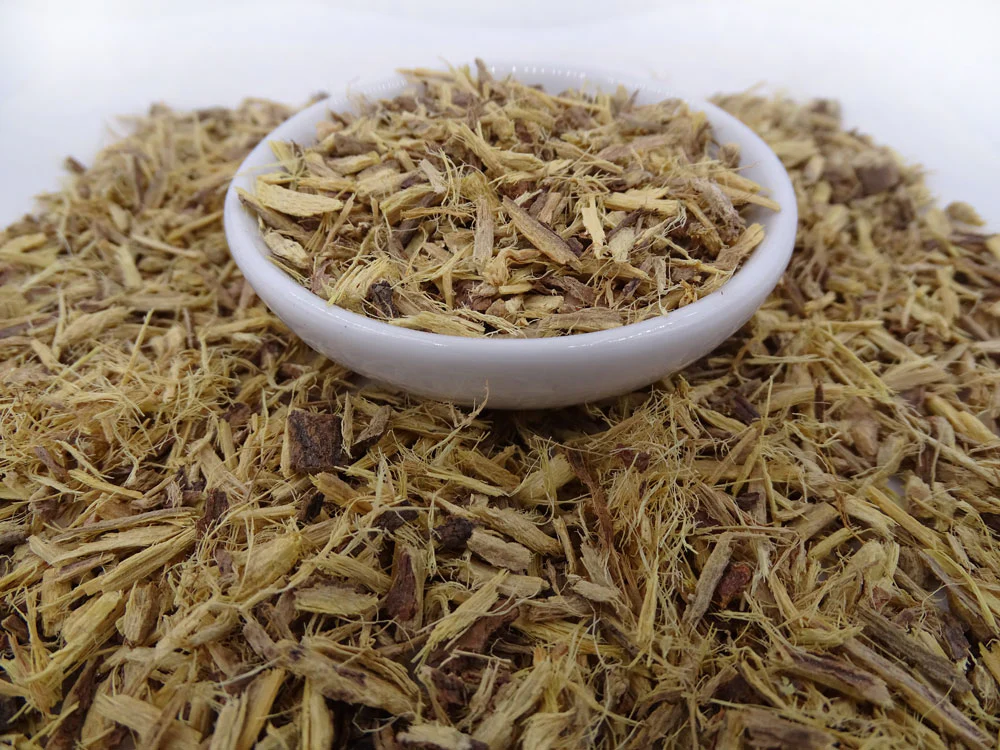
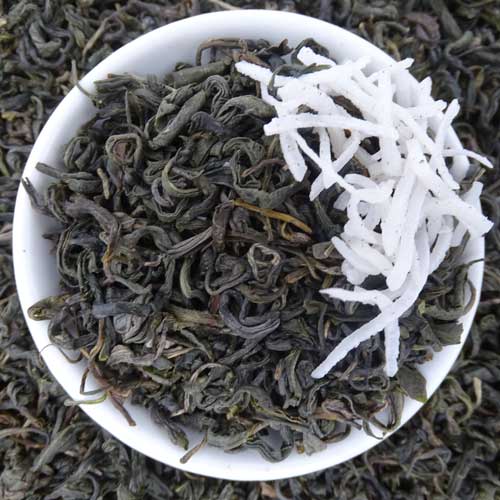
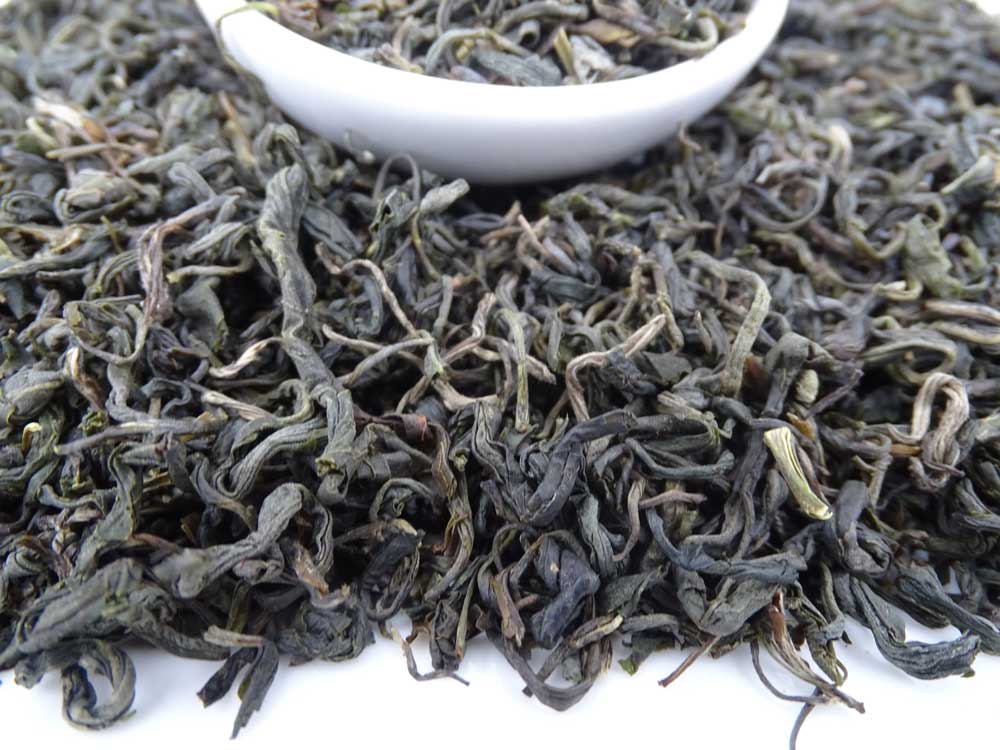
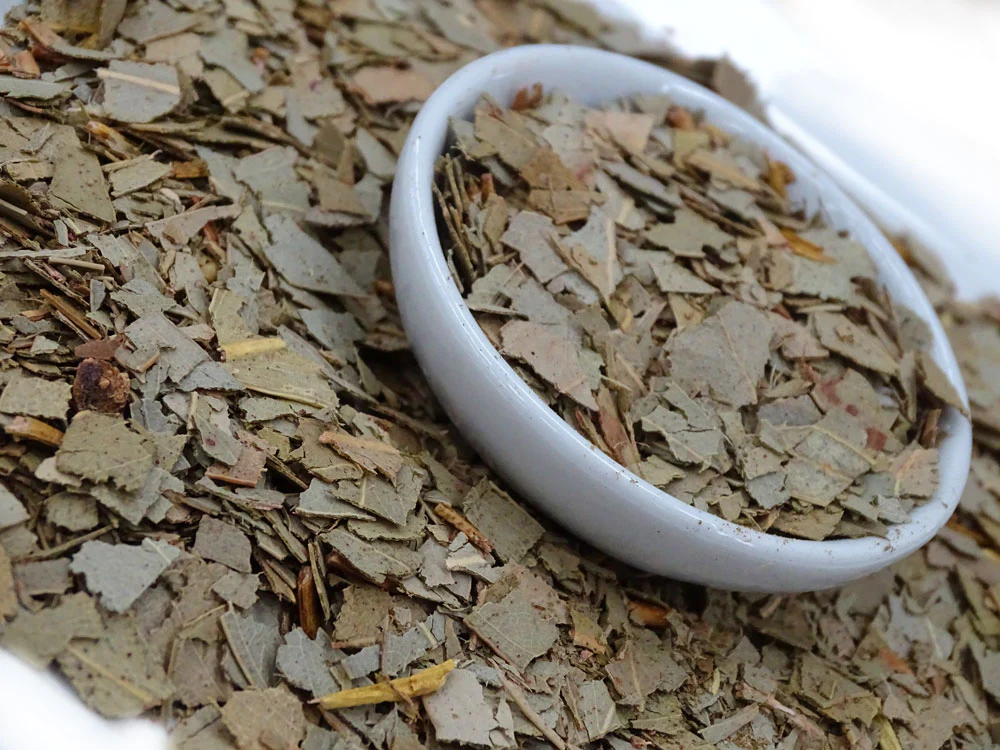
Good leaf is thin and clean smelling - camphoraceus, resin-fresh, lightly woody - and cut thin. The notes are from volatile oils, so cover and keep the steam (and scent) in the cup.
Short steeps yield pale straw liquor with a spa-fresh nose; Add a touch more time and you get mild bitters and a dry finish that works well in blends with ginger and thyme. It contains no caffeine and has a tidy rather than sweet flavour profile so it makes a great evening cup or a bright, food-friendly pitcher over ice.
Some species appear in commerce; The classic tea is EucalyptUS globulus, with closely related species in some blends.
If your brief calls for something "clean, cool and herbal without heavyness," eucaleyptus leaf makes a sleek, minimalist cup that's at home in winter winds-downs as well as summer spritzes.
For more reading on the benefits of Eucalyptus please see our article here.
Additionally, our Australian grown Blue Gum Eucalyptus can be found here.
organically grown India
Flavour and Aroma
Aroma: Camphoraceous lift, fresh resin, light wood & citrus peel.
Taste: Crisp herbs, mild bitters, tidy mineral finish.
Body: light, clean
Bitterness/astringency: low-moderate; rises with long steeps
Ingredients
Eucalyptus leaf 100% dried.
Botanical name: Eucalypta globulus Labll.
Caffeine level
None (caffeine-free).
How to brew
Western style (mug/pot)
2-3 g per 250 ml.
95-100 degC water
5 to 7 minutes under cover, then strain.
Re-steep: once; add 2-3 minutes
Iced / cold brew
5-8 g/L cold filtered water.
Refrigerate 6-8 hrs; strain (clean, gently aromatic)
When to drink
All day - good after meals or after an evening wind down; excellent with lemon and honey, or ginger/thyme blended.
Health benefits
Respiratory symptom relief (context): Oral 1,8-cineole (eucalyptol)—a key eucalyptus constituent—reduced symptom scores in acute bronchitis in a double-blind RCT (3×200 mg/day, 10 days). (Capsules/extracts, not tea.) Cough (2013).
Rhinosinusitis (context): A randomised, double-blind, placebo-controlled trial in acute non-purulent rhinosinusitis (n=152) found cineole capsules improved symptom-sum scores over 7 days. (Capsules, not tea.) Laryngoscope (2004) – PDF.
Antimicrobial (in-vitro): Eucalyptus leaf extracts (incl. E. globulus) inhibited several Gram-positive bacteria and a fungus in lab assays. (Lab data; not clinical efficacy of tea.) Letters in Applied Microbiology (2004).
Polyphenols/antioxidants (tea-style infusions): Water infusions of eucalyptus showed measurable phenolics and antioxidant activity among common herbal teas. (Bench chemistry of brewed infusions.) Food Chemistry (2004).
(General information only; most human trials use cineole capsules or concentrated extracts, not simple leaf infusions.)
Health-related notes (general)
Consume as much as you like in food-style portions as part of a healthy diet. Cover your cup during steeping to retain aromas. Flavour strength depends on species, cut - adjust leaf, and time of taste.
Cautionary
Children and pets: Keep out of reach; Avoid swallowing essential oils.
Pregnancy and breastfeeding: Use only medicinal strength if advised by a clinician.
Respiratory/medication considerations: Personalized advice is needed for chronic respiratory disease, liver/kidney conditions or medicines containing strong aromatics.
Allergy/sensitivity: Unusual symptoms should be discontinued.
Storage and Shelf Life
Keep cool, dark and dry. Best within 12-18 months. aromatics fade more rapidly after opening.
Quick FAQs
Is it minty?
Quite minty - clean, camphoracious cool with light woody notes.
May I add milk?
Usually best without; For a chai-style cup, add some honey and ginger instead.
Why brew covered?
To lock in the volatile oils that give eucalytus its distinctive aroma.


Description
The leaves of eucalyptus leaf tea a sweet refreshing herbal infusion. Unlike mint or chamomile it's crisp and cool with a vapourous lift that clears palate and goes well with lemon and honey.
Good leaf is thin and clean smelling - camphoraceus, resin-fresh, lightly woody - and cut thin. The notes are from volatile oils, so cover and keep the steam (and scent) in the cup.
Short steeps yield pale straw liquor with a spa-fresh nose; Add a touch more time and you get mild bitters and a dry finish that works well in blends with ginger and thyme. It contains no caffeine and has a tidy rather than sweet flavour profile so it makes a great evening cup or a bright, food-friendly pitcher over ice.
Some species appear in commerce; The classic tea is EucalyptUS globulus, with closely related species in some blends.
If your brief calls for something "clean, cool and herbal without heavyness," eucaleyptus leaf makes a sleek, minimalist cup that's at home in winter winds-downs as well as summer spritzes.
For more reading on the benefits of Eucalyptus please see our article here.
Additionally, our Australian grown Blue Gum Eucalyptus can be found here.
organically grown India
Flavour and Aroma
Aroma: Camphoraceous lift, fresh resin, light wood & citrus peel.
Taste: Crisp herbs, mild bitters, tidy mineral finish.
Body: light, clean
Bitterness/astringency: low-moderate; rises with long steeps
Ingredients
Eucalyptus leaf 100% dried.
Botanical name: Eucalypta globulus Labll.
Caffeine level
None (caffeine-free).
How to brew
Western style (mug/pot)
2-3 g per 250 ml.
95-100 degC water
5 to 7 minutes under cover, then strain.
Re-steep: once; add 2-3 minutes
Iced / cold brew
5-8 g/L cold filtered water.
Refrigerate 6-8 hrs; strain (clean, gently aromatic)
When to drink
All day - good after meals or after an evening wind down; excellent with lemon and honey, or ginger/thyme blended.
Health benefits
Respiratory symptom relief (context): Oral 1,8-cineole (eucalyptol)—a key eucalyptus constituent—reduced symptom scores in acute bronchitis in a double-blind RCT (3×200 mg/day, 10 days). (Capsules/extracts, not tea.) Cough (2013).
Rhinosinusitis (context): A randomised, double-blind, placebo-controlled trial in acute non-purulent rhinosinusitis (n=152) found cineole capsules improved symptom-sum scores over 7 days. (Capsules, not tea.) Laryngoscope (2004) – PDF.
Antimicrobial (in-vitro): Eucalyptus leaf extracts (incl. E. globulus) inhibited several Gram-positive bacteria and a fungus in lab assays. (Lab data; not clinical efficacy of tea.) Letters in Applied Microbiology (2004).
Polyphenols/antioxidants (tea-style infusions): Water infusions of eucalyptus showed measurable phenolics and antioxidant activity among common herbal teas. (Bench chemistry of brewed infusions.) Food Chemistry (2004).
(General information only; most human trials use cineole capsules or concentrated extracts, not simple leaf infusions.)
Health-related notes (general)
Consume as much as you like in food-style portions as part of a healthy diet. Cover your cup during steeping to retain aromas. Flavour strength depends on species, cut - adjust leaf, and time of taste.
Cautionary
Children and pets: Keep out of reach; Avoid swallowing essential oils.
Pregnancy and breastfeeding: Use only medicinal strength if advised by a clinician.
Respiratory/medication considerations: Personalized advice is needed for chronic respiratory disease, liver/kidney conditions or medicines containing strong aromatics.
Allergy/sensitivity: Unusual symptoms should be discontinued.
Storage and Shelf Life
Keep cool, dark and dry. Best within 12-18 months. aromatics fade more rapidly after opening.
Quick FAQs
Is it minty?
Quite minty - clean, camphoracious cool with light woody notes.
May I add milk?
Usually best without; For a chai-style cup, add some honey and ginger instead.
Why brew covered?
To lock in the volatile oils that give eucalytus its distinctive aroma.