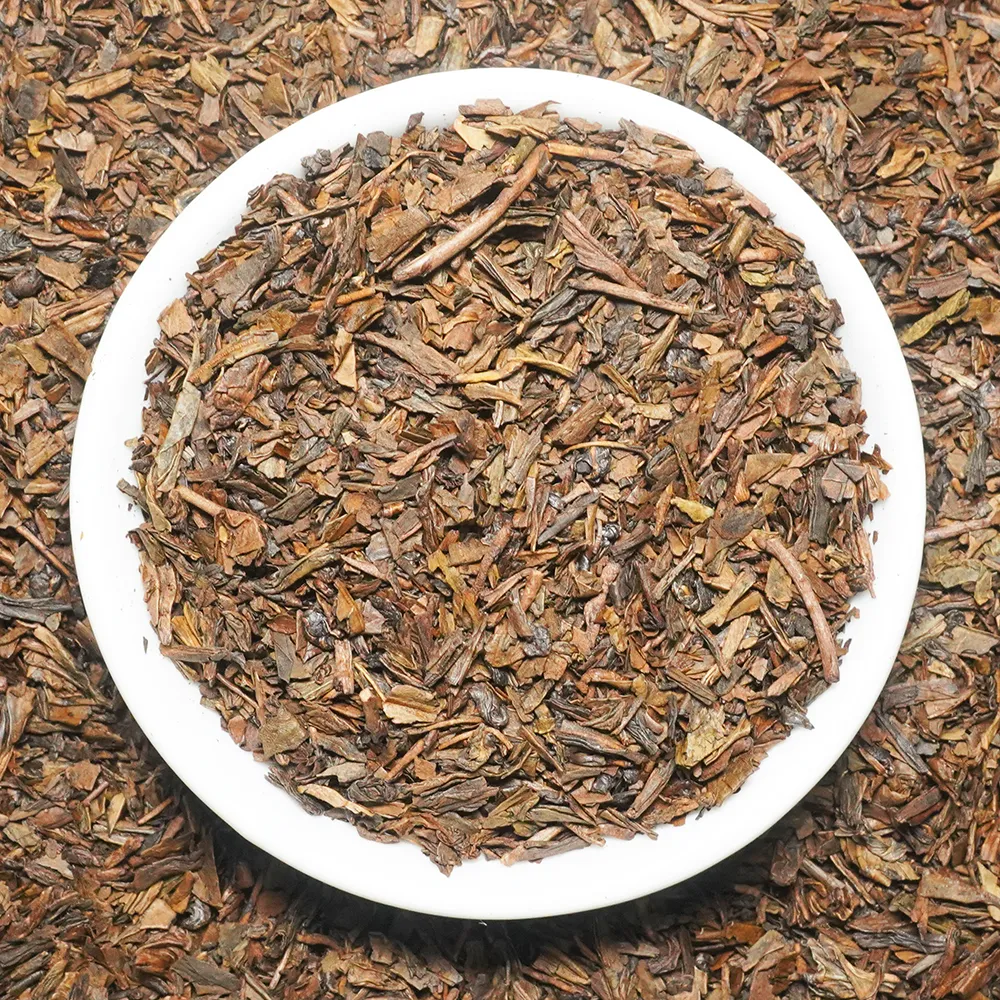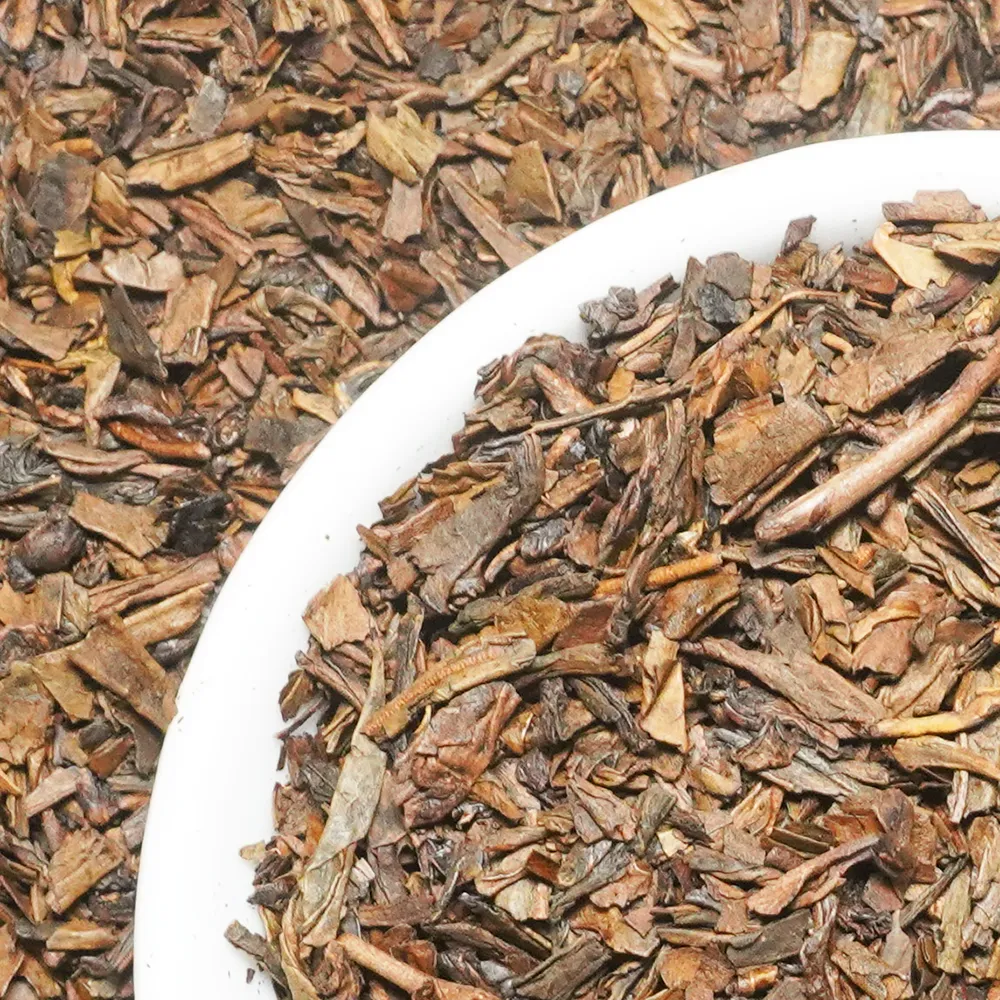
Chaparral Leaf
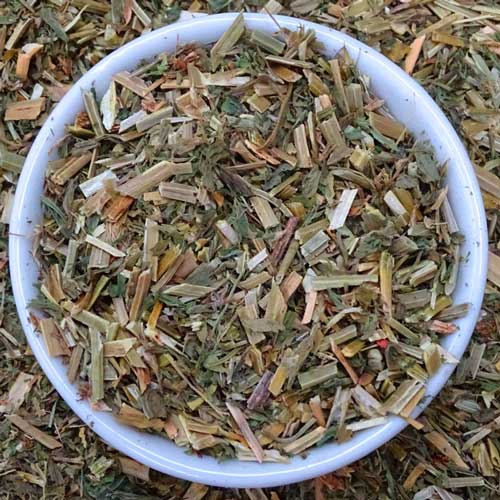
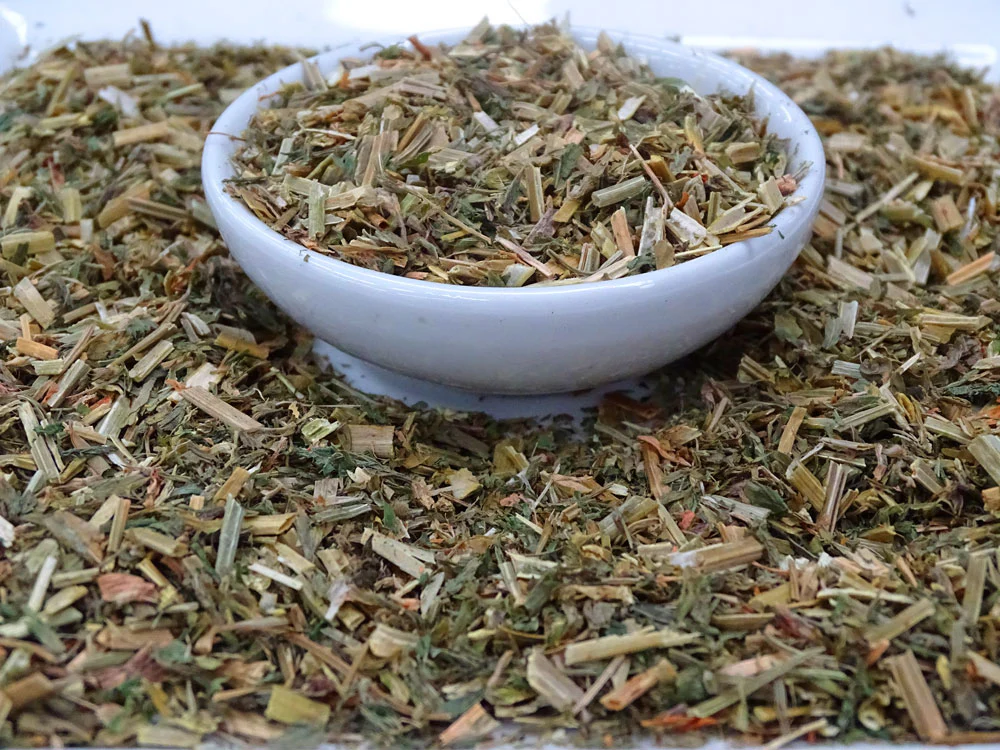
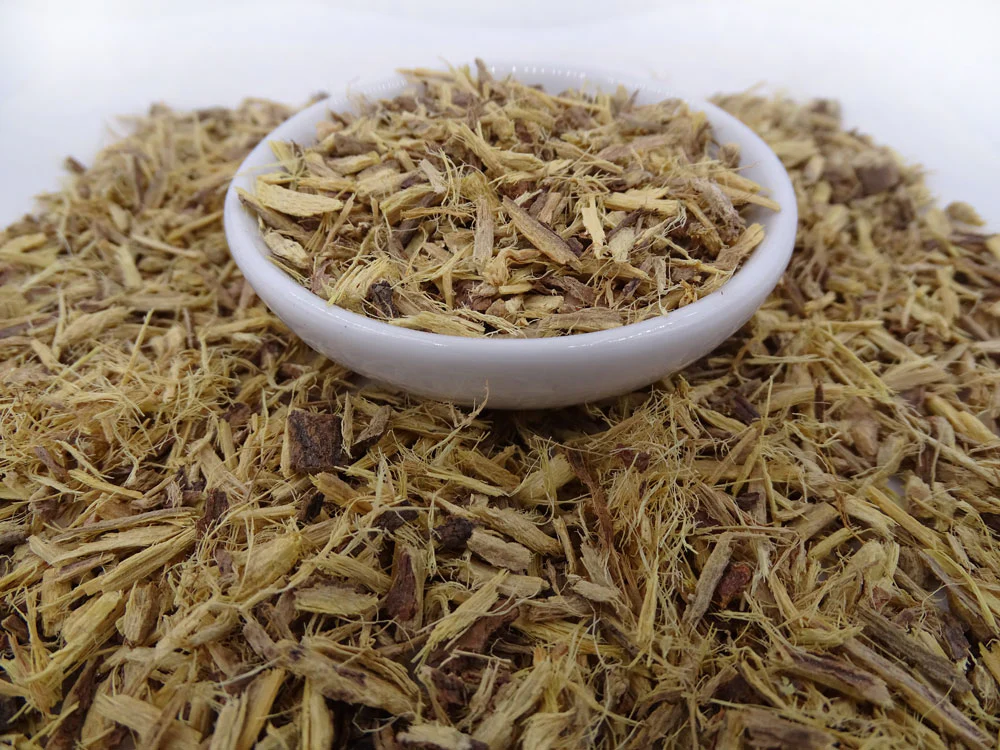
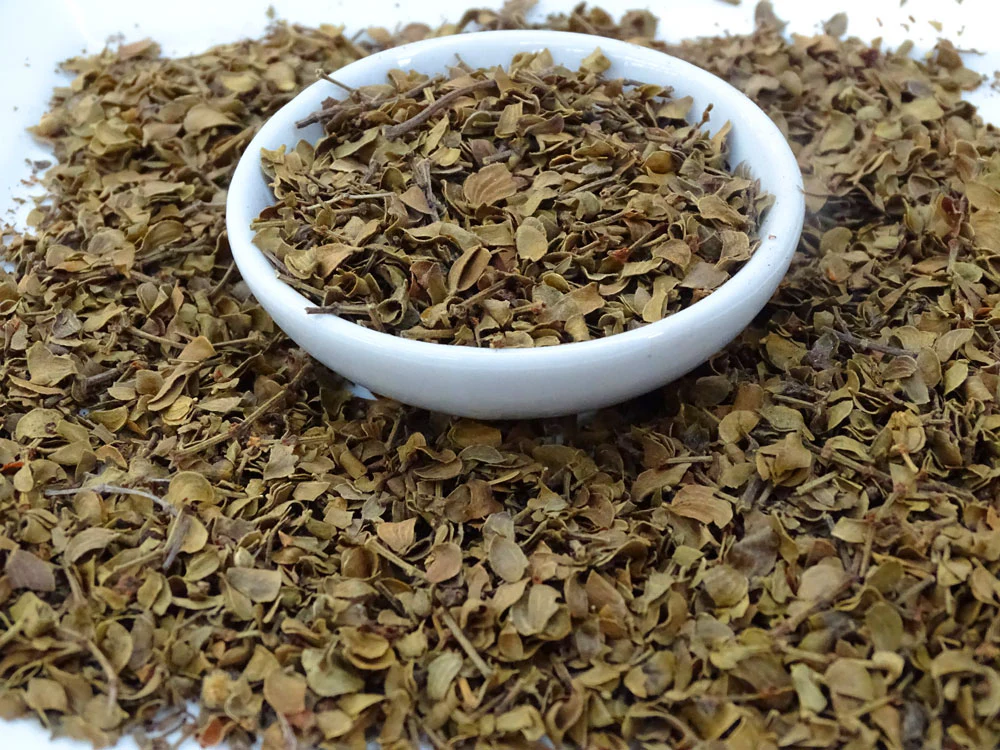
Chaparral is an interesting herb, also known as greasewood or creosote bush. Native to Mexico and southwest USA and contains a very unique desert type of scent, along with containing a powerful antioxidant that goes by the name of (nordihydroguaiaretic acid).
With this herb, we'd actually recommend only consuming this upon doctors or herbalists recommendation as the effects can be quite strong and overuse can lead to adverse effects, especially in those with poor liver and kidney functionality.
Please only use this herb topically unless instructed otherwise by a professional.
Historically, Mexican herbalists have employed the use of this herb topically (applied to the skin) to treat eczema and other skin conditions, and in some cases remarkably well.
organically grown Bulgaria
Health benefits - traditional & topical.
The resinous, antimicrobial and anti-inflammatory constituents (NDGA) were traditionally used externally as a wash or compress for minor skin complaints.
Common folk uses include quick rinses for irritated skin, scalp flakiness or feet with fungal problems.
Human evidence is sparse; benefits are based on traditional use/laboratory data.
How to brew for topical use (never ingest)
Ratio: 1 teaspoon dried chaparral for 250 ml water/1 tablespoon for 500 ml.
Method: In a small pot, bring herb and cooler water to a simmer, cover & cook ten minutes uncovered. Switch off heat & steep for another 15-20 minutes. Strain well & cool completely.
Use:
Compress: Soak a clean cloth, dab on the area and leave on for 5-10 minutes up to 2-3 times a day for 3-5 days at a time.
Rinse: dilute 1: 1, then lightly rinse with clean water; pat dry.
Storage: keep refrigerated; use within 24 hours; discard leftovers.
Patch test: Apply a small amount to the inner forearm, leave 24 hours, then check for redness or irritation before extending use.
Cautionary notes
Acute liver failure following ingestion has been associated with serious liver toxicology.
Avoid topical application on broken skin, mucous membranes, face near eyes or large body areas. Stop abruptly in case of irritation / rash / dark urine / right upper abdominal pain / nausea / jaundice / unusual fatigue; seek medical advice.
Not recommended for kids, pregnant women, nursing moms or anybody with kidney or liver disease.
Avoid if you drink a lot or take any medicines that put the liver under stress (such as high-dose paracetamol / acetylsalicylic acid, isoniazid / methotrexate and some antifungals).
Allergies/sensitivities can occur; Immediately stop if any reaction occurs.
This information is for general education purposes only and should not be considered a substitute for personalised medical advice.
Original: $781.27
-70%$781.27
$234.38

Description
Chaparral is an interesting herb, also known as greasewood or creosote bush. Native to Mexico and southwest USA and contains a very unique desert type of scent, along with containing a powerful antioxidant that goes by the name of (nordihydroguaiaretic acid).
With this herb, we'd actually recommend only consuming this upon doctors or herbalists recommendation as the effects can be quite strong and overuse can lead to adverse effects, especially in those with poor liver and kidney functionality.
Please only use this herb topically unless instructed otherwise by a professional.
Historically, Mexican herbalists have employed the use of this herb topically (applied to the skin) to treat eczema and other skin conditions, and in some cases remarkably well.
organically grown Bulgaria
Health benefits - traditional & topical.
The resinous, antimicrobial and anti-inflammatory constituents (NDGA) were traditionally used externally as a wash or compress for minor skin complaints.
Common folk uses include quick rinses for irritated skin, scalp flakiness or feet with fungal problems.
Human evidence is sparse; benefits are based on traditional use/laboratory data.
How to brew for topical use (never ingest)
Ratio: 1 teaspoon dried chaparral for 250 ml water/1 tablespoon for 500 ml.
Method: In a small pot, bring herb and cooler water to a simmer, cover & cook ten minutes uncovered. Switch off heat & steep for another 15-20 minutes. Strain well & cool completely.
Use:
Compress: Soak a clean cloth, dab on the area and leave on for 5-10 minutes up to 2-3 times a day for 3-5 days at a time.
Rinse: dilute 1: 1, then lightly rinse with clean water; pat dry.
Storage: keep refrigerated; use within 24 hours; discard leftovers.
Patch test: Apply a small amount to the inner forearm, leave 24 hours, then check for redness or irritation before extending use.
Cautionary notes
Acute liver failure following ingestion has been associated with serious liver toxicology.
Avoid topical application on broken skin, mucous membranes, face near eyes or large body areas. Stop abruptly in case of irritation / rash / dark urine / right upper abdominal pain / nausea / jaundice / unusual fatigue; seek medical advice.
Not recommended for kids, pregnant women, nursing moms or anybody with kidney or liver disease.
Avoid if you drink a lot or take any medicines that put the liver under stress (such as high-dose paracetamol / acetylsalicylic acid, isoniazid / methotrexate and some antifungals).
Allergies/sensitivities can occur; Immediately stop if any reaction occurs.
This information is for general education purposes only and should not be considered a substitute for personalised medical advice.