Ashitaba Leaf Tea
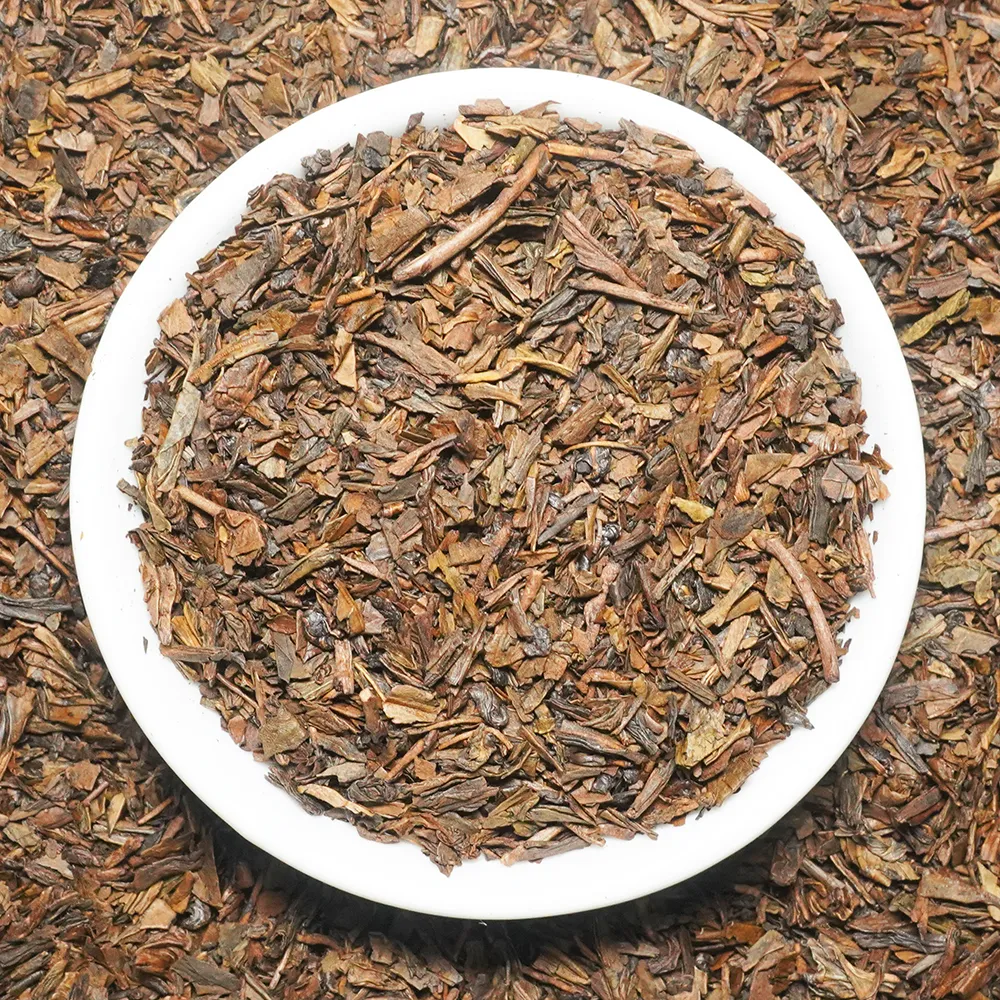
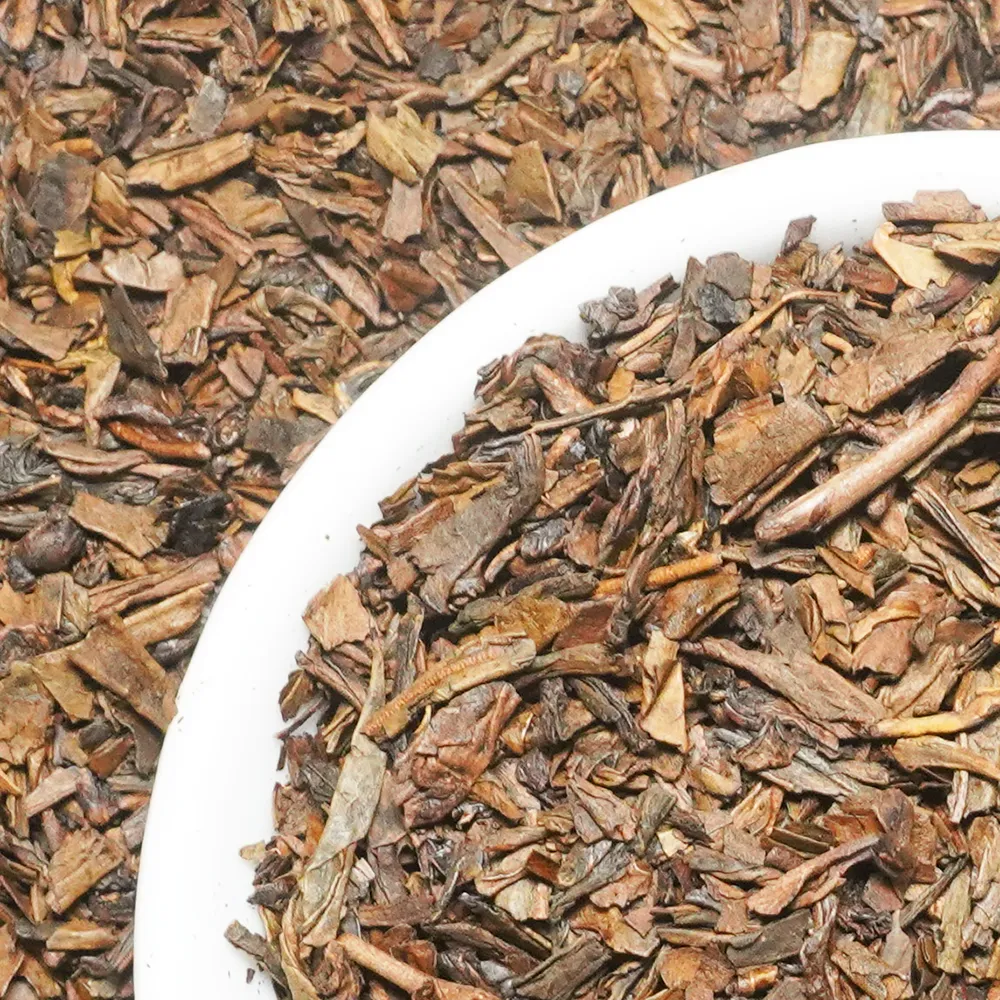
Ashitaba Leaf Tea contains the leaves of the Japanese plant Angelica keiskei, grown on the volcanic Izu Islands south of Tokyo, in particular, Hachijo-jima. The name Ashitaba roughly translates to "tomorrow's leaf" because the plant can regrow quickly after harvesting. This hardy plant has been eaten and used as a herbal infusion for centuries in Japan.
Ashitaba caught the eye because residents of the islands where it naturally grows are particularly long-lived. People on Hachijo-jima, where Ashitaba is a staple food in the local diet, have traditionally lived into their 90s and even past 100 years of age. Although many factors including lifestyle, diet and environment affect longevity, Ashitaba is one of the traditional foods that has earned the island a reputation for healthy ageing.
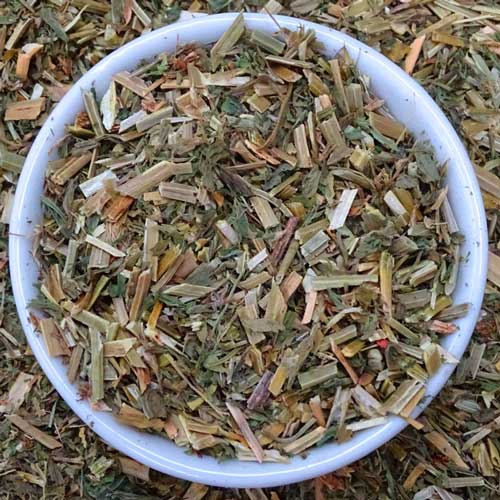
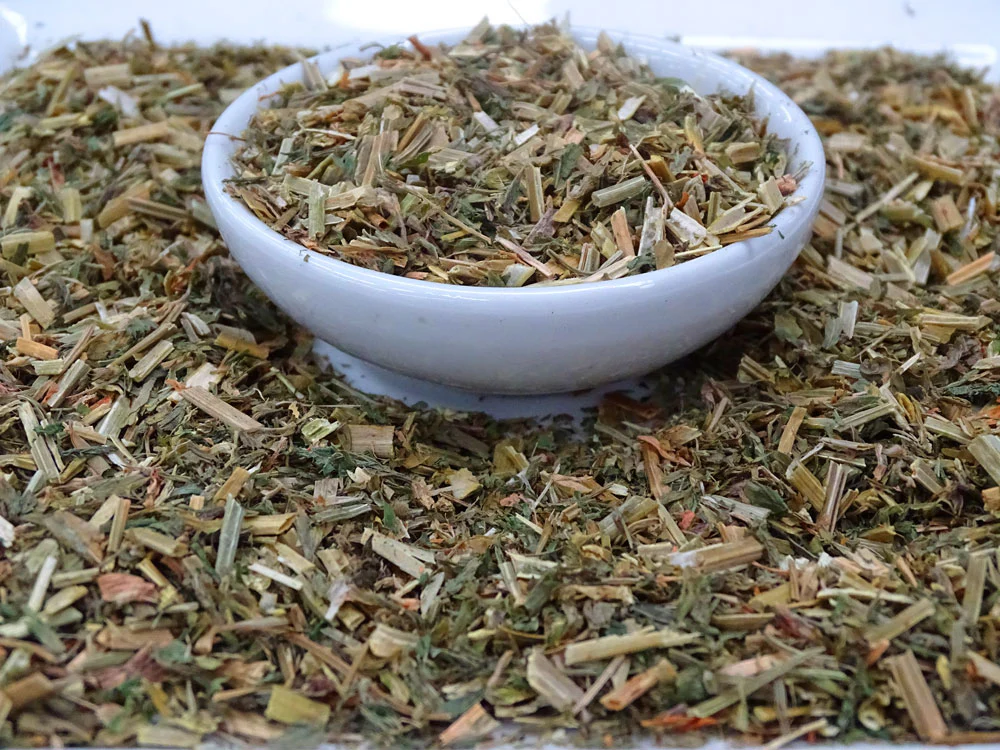
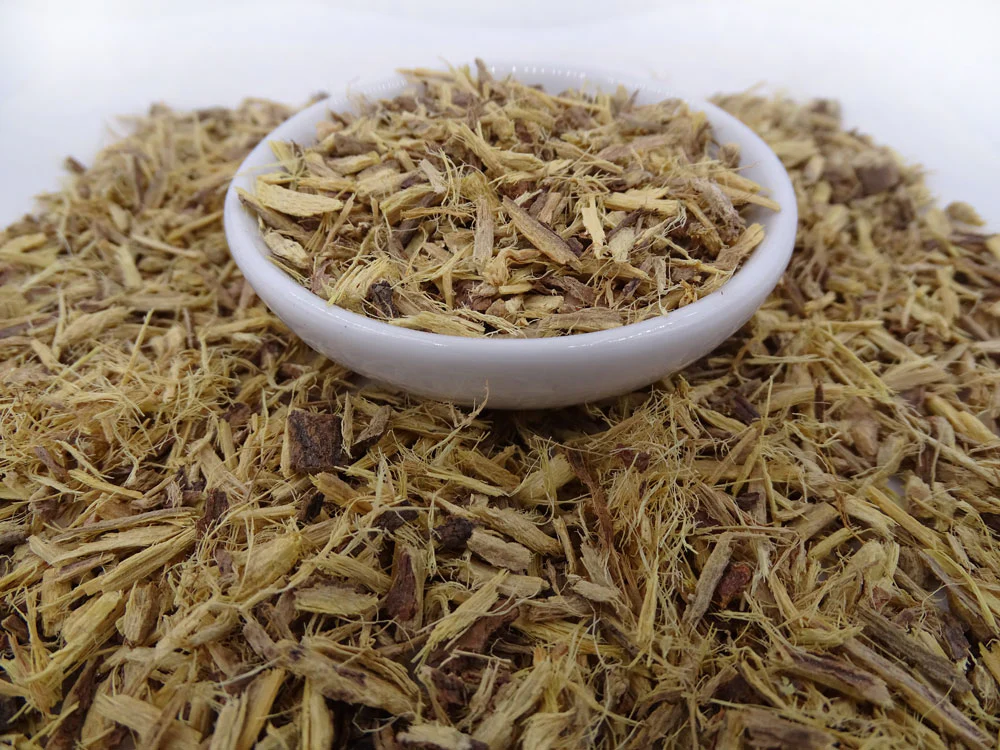
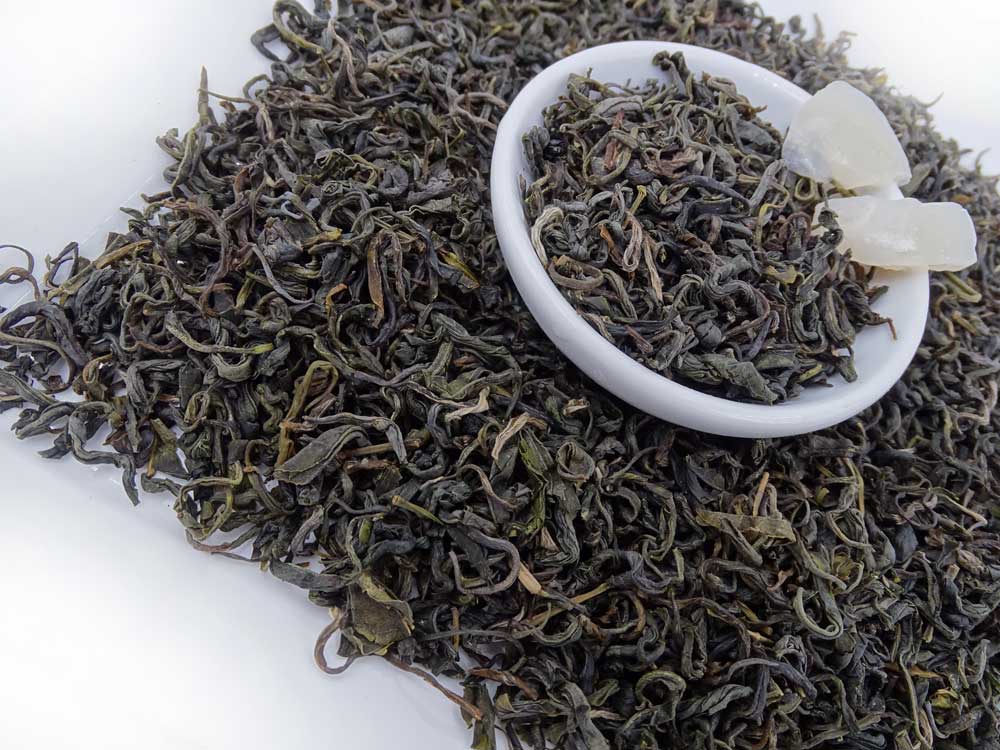
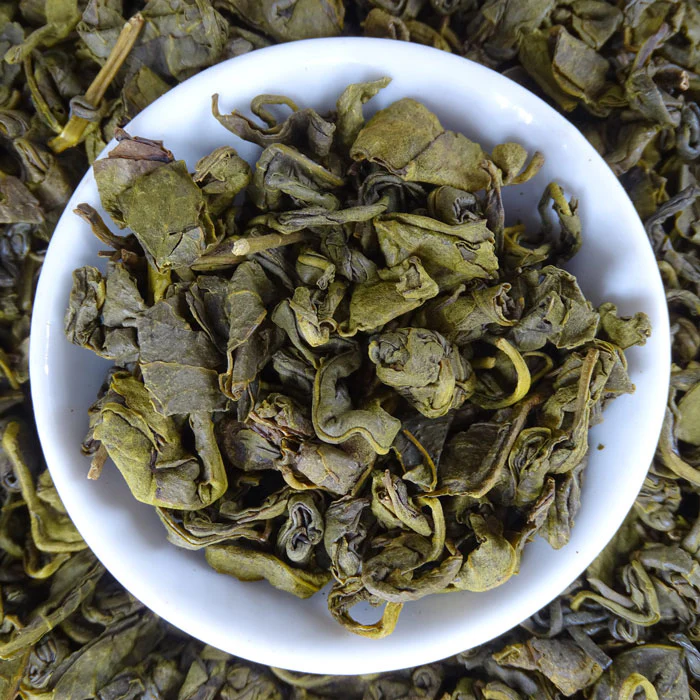
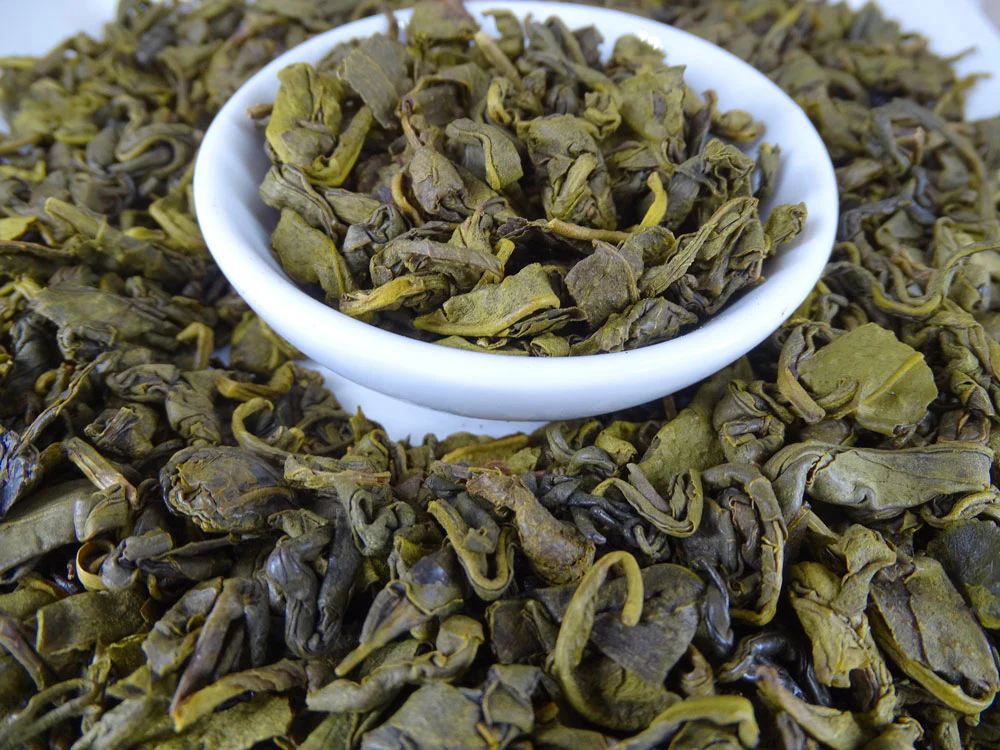
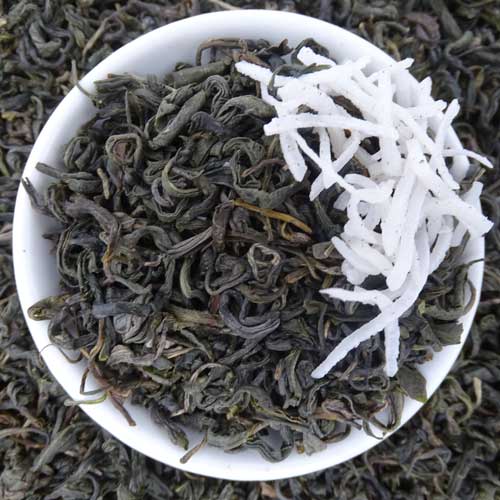
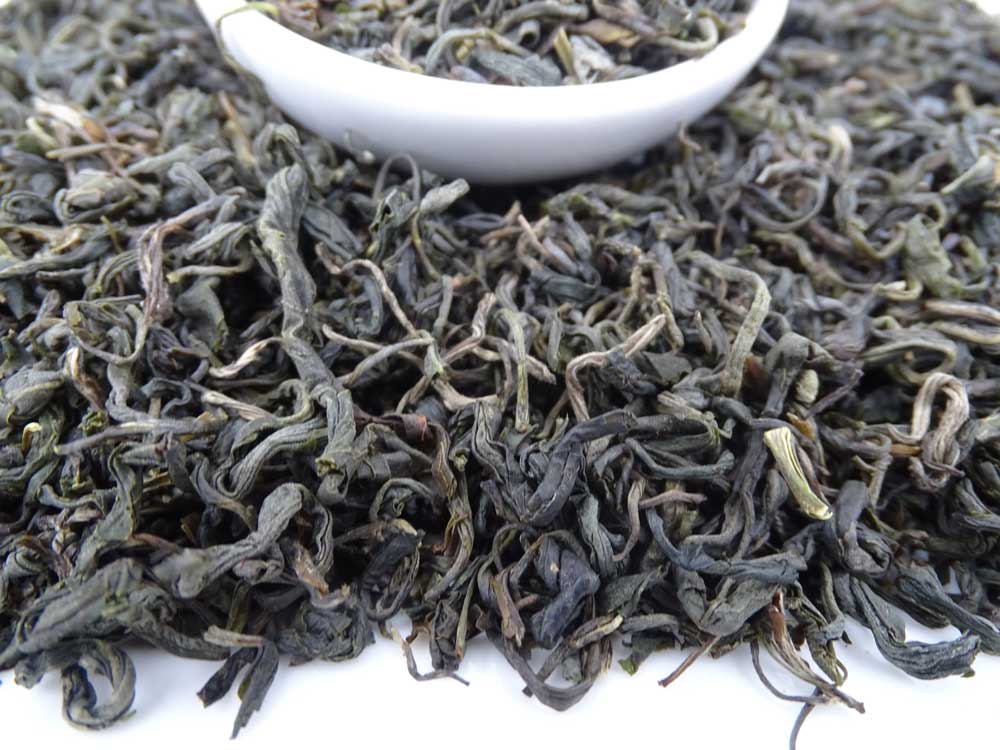
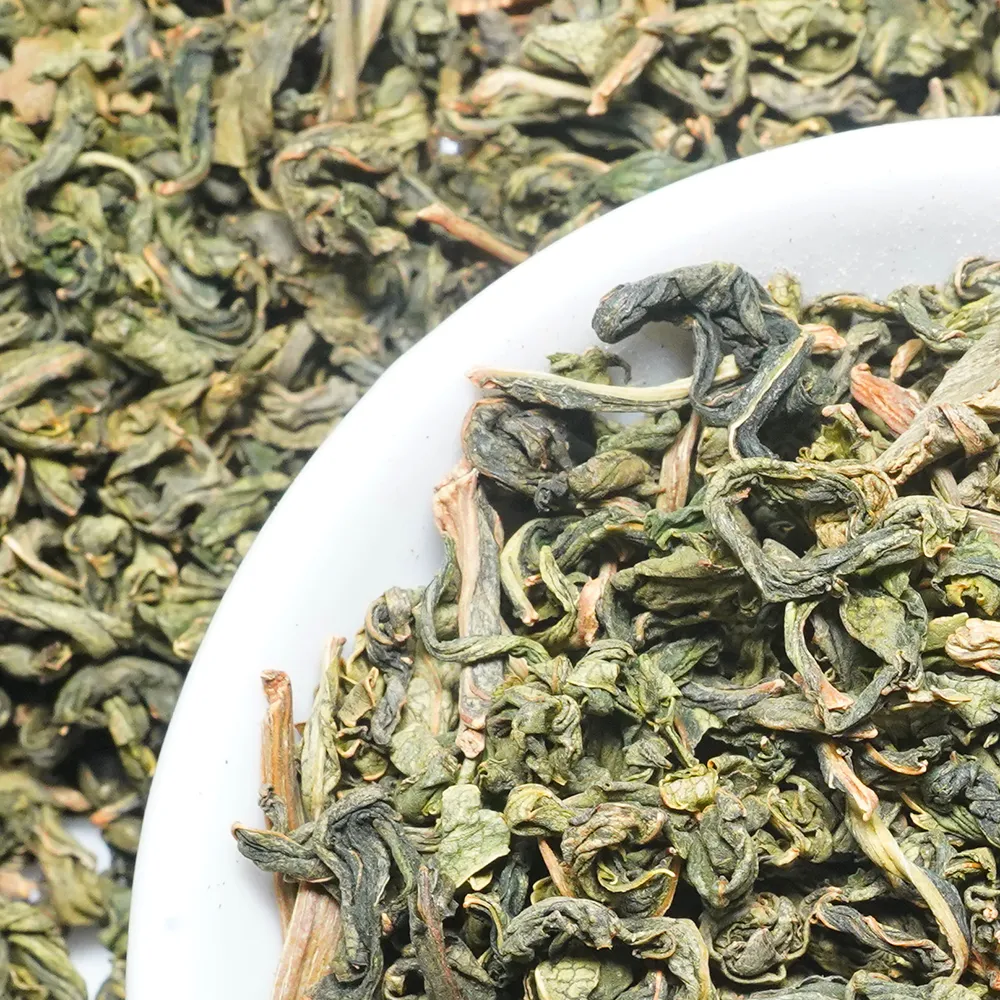
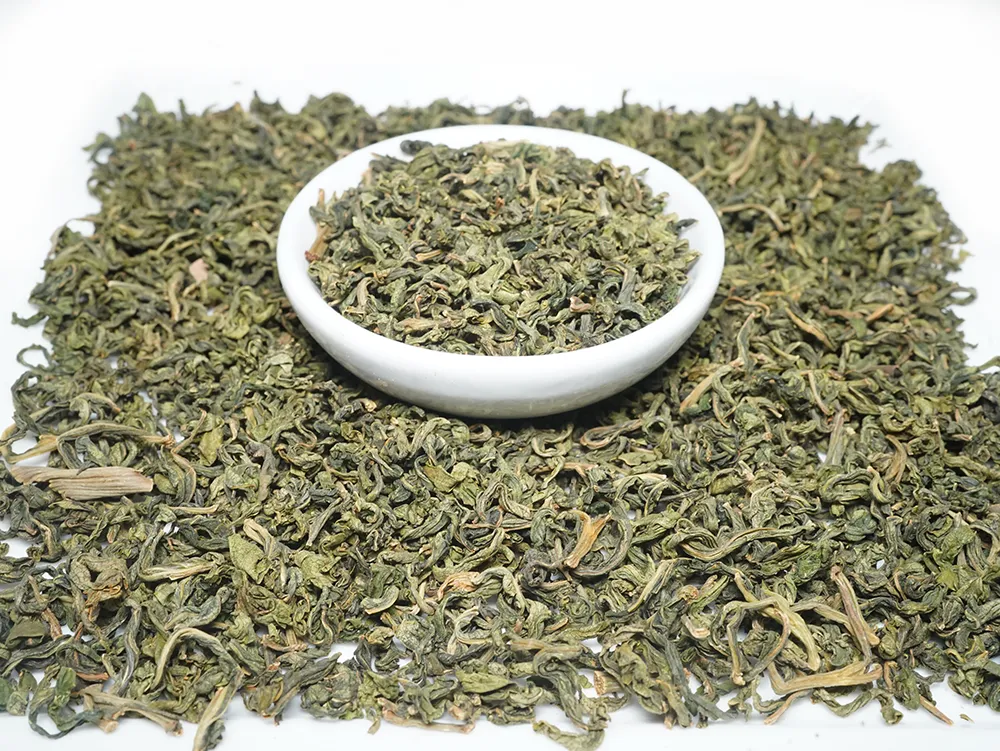
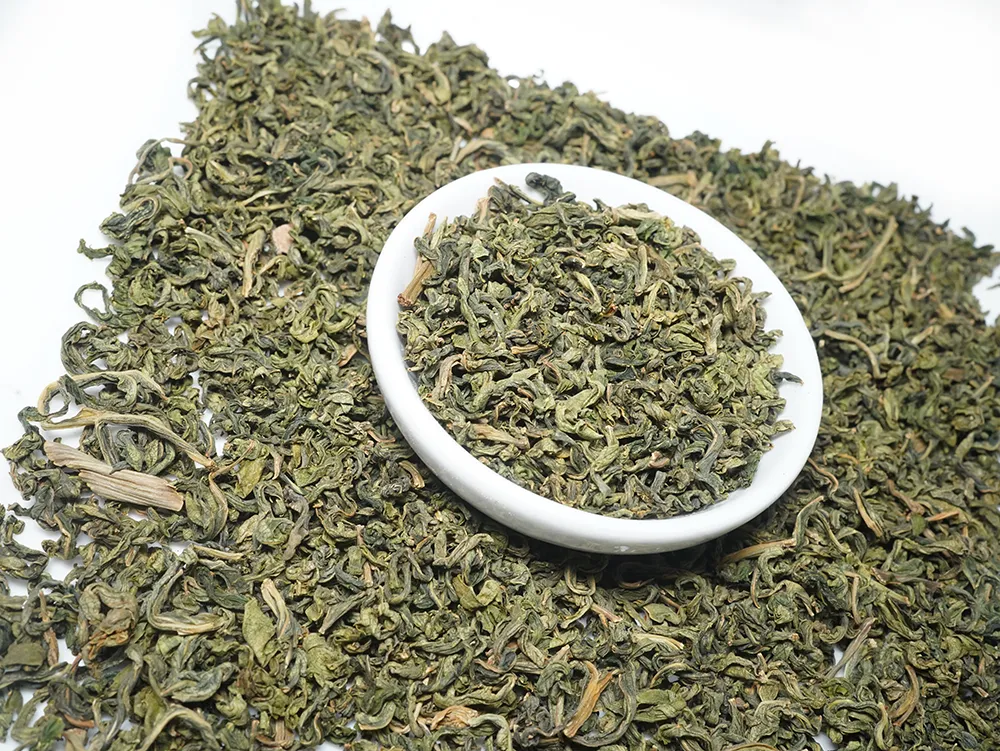
These leaves also contain unique flavonoids called chalcones, vitamins and other plant nutrients. When dried and prepared as tea Ashitaba has a light herbal bouquet with green notes, a vegetal character and a mild bittersweet finish.
Ashitaba Leaf Tea is caffeine-free and can be enjoyed anytime of day - both for its distinctive flavour and for its history as a nourishing botanical beverage.
Flavour and Aroma
Aroma: A fresh green scent with soft grassy and herbal notes.
Taste: It is mildly vegetal and herbal with a slight bittersweet undertone.
Mouthfeel: A light, smooth beer that tastes clean and refreshing.
Finish: A little earthy with herbal undertones lingering.
Liquor colour: Light yellow-green to pale golden.
Ingredients
Ashitaba leaves are dried 100%.
Botanical name
Angelica keiskei
Caffeine level
Naturally caffeine-free.
How to brew
Western style
2/3 teaspoon of sugar per cup of water. 95-100degC
Steep time: 5-7 minutes
Gongfu style
4 grams of tea leaves in a small teapot with hot water. 95degC
Steep for 15-25 seconds; increase gradually for later infusions.
Iced/cold brew: 1 teaspoon per liter of cold water.
Steep in the refrigerator for 6-8 hours.
When to drink
Ashitaba tea can be drunk anytime because it contains no caffeine. It is drunk after meals or as a cool herbal drink in the afternoon or evening.
Health benefits
Ashitaba was traditionally eaten as a botanical food and is now of increasing scientific interest.
Ashitaba benefits may include:
Antioxidant support: Ashitaba contains chalcones, which may support antioxidant activity in the body.
https://pubmed.ncbi.nlm.nih.gov/20420326/
Metabolic health: Some research suggests compounds in Ashitaba may support healthy metabolic processes.
https://pubmed.ncbi.nlm.nih.gov/27569230/
General nutritional support: Leafy vegetables and other phytonutrients provide variety in the diet.
https://www.ncbi.nlm.nih.gov/pmc/articles/PMC6413075/
These studies are preliminary and Ashitaba should be considered a food or herbal tea and not a medical treatment.
Health-related notes (general)
In Japan ashitaba has traditionally been eaten as a food and as a herbal infusion. Unlike most botanic teas, benefits are greatest when taken in conjunction with a balanced diet and healthy lifestyle.
Cautionary
Not recommended during pregnancy or nursing without medical advice.
Those on medications or managing medical conditions should consult a healthcare professional before consuming regularly.
As with any herbal product, stop use if you experience adverse reactions.
Storage 1and1 shelf life
Keep cool, dry, and away from light. Teas may remain good up to 4 years when stored properly but should be consumed earlier for best aroma and colour.
Quick FAQs
What is Ashitaba Leaf Tea?
The dried leaves of the Japanese plant Angelica keiskei are brewed into ashitaba tea, both as a vegetable and a tea.
Is it caffeinated?
Nope - it's a herbal infusion and caffeine-free.
Are there added flavours or sugars?
Pure Ashitaba tea contains dried leaves without flavours or sugar.
Can it be reheated?
Yes, reheat gently if the pre-brewed. avoid boiling. It is also good when chilled. Refrigerate immediately and consume within 24 hours.
How do I store it, and how long does it keep?
Keep cool, dry, and away from light. Teas generally remain fine for up to 4 years if stored properly.
Original: $3,338.14
-70%$3,338.14
$1,001.44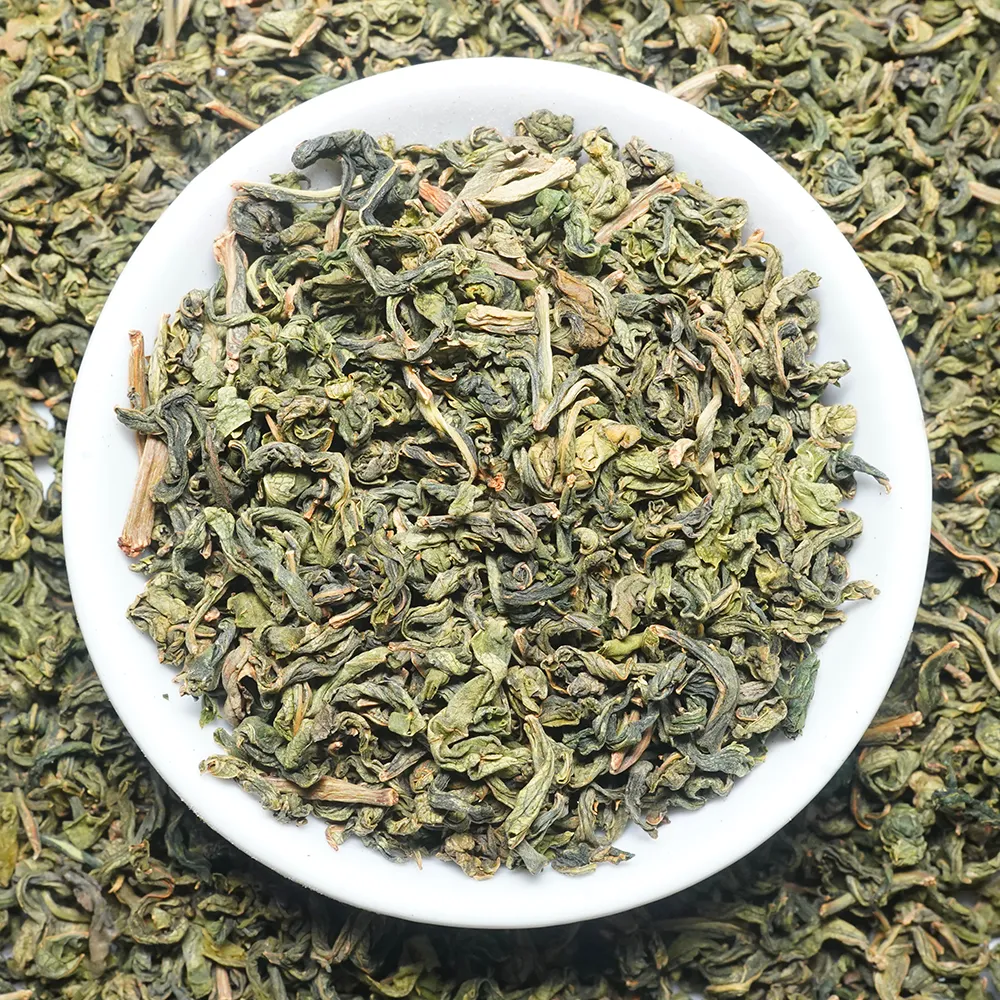
Description
Ashitaba Leaf Tea contains the leaves of the Japanese plant Angelica keiskei, grown on the volcanic Izu Islands south of Tokyo, in particular, Hachijo-jima. The name Ashitaba roughly translates to "tomorrow's leaf" because the plant can regrow quickly after harvesting. This hardy plant has been eaten and used as a herbal infusion for centuries in Japan.
Ashitaba caught the eye because residents of the islands where it naturally grows are particularly long-lived. People on Hachijo-jima, where Ashitaba is a staple food in the local diet, have traditionally lived into their 90s and even past 100 years of age. Although many factors including lifestyle, diet and environment affect longevity, Ashitaba is one of the traditional foods that has earned the island a reputation for healthy ageing.
These leaves also contain unique flavonoids called chalcones, vitamins and other plant nutrients. When dried and prepared as tea Ashitaba has a light herbal bouquet with green notes, a vegetal character and a mild bittersweet finish.
Ashitaba Leaf Tea is caffeine-free and can be enjoyed anytime of day - both for its distinctive flavour and for its history as a nourishing botanical beverage.
Flavour and Aroma
Aroma: A fresh green scent with soft grassy and herbal notes.
Taste: It is mildly vegetal and herbal with a slight bittersweet undertone.
Mouthfeel: A light, smooth beer that tastes clean and refreshing.
Finish: A little earthy with herbal undertones lingering.
Liquor colour: Light yellow-green to pale golden.
Ingredients
Ashitaba leaves are dried 100%.
Botanical name
Angelica keiskei
Caffeine level
Naturally caffeine-free.
How to brew
Western style
2/3 teaspoon of sugar per cup of water. 95-100degC
Steep time: 5-7 minutes
Gongfu style
4 grams of tea leaves in a small teapot with hot water. 95degC
Steep for 15-25 seconds; increase gradually for later infusions.
Iced/cold brew: 1 teaspoon per liter of cold water.
Steep in the refrigerator for 6-8 hours.
When to drink
Ashitaba tea can be drunk anytime because it contains no caffeine. It is drunk after meals or as a cool herbal drink in the afternoon or evening.
Health benefits
Ashitaba was traditionally eaten as a botanical food and is now of increasing scientific interest.
Ashitaba benefits may include:
Antioxidant support: Ashitaba contains chalcones, which may support antioxidant activity in the body.
https://pubmed.ncbi.nlm.nih.gov/20420326/
Metabolic health: Some research suggests compounds in Ashitaba may support healthy metabolic processes.
https://pubmed.ncbi.nlm.nih.gov/27569230/
General nutritional support: Leafy vegetables and other phytonutrients provide variety in the diet.
https://www.ncbi.nlm.nih.gov/pmc/articles/PMC6413075/
These studies are preliminary and Ashitaba should be considered a food or herbal tea and not a medical treatment.
Health-related notes (general)
In Japan ashitaba has traditionally been eaten as a food and as a herbal infusion. Unlike most botanic teas, benefits are greatest when taken in conjunction with a balanced diet and healthy lifestyle.
Cautionary
Not recommended during pregnancy or nursing without medical advice.
Those on medications or managing medical conditions should consult a healthcare professional before consuming regularly.
As with any herbal product, stop use if you experience adverse reactions.
Storage 1and1 shelf life
Keep cool, dry, and away from light. Teas may remain good up to 4 years when stored properly but should be consumed earlier for best aroma and colour.
Quick FAQs
What is Ashitaba Leaf Tea?
The dried leaves of the Japanese plant Angelica keiskei are brewed into ashitaba tea, both as a vegetable and a tea.
Is it caffeinated?
Nope - it's a herbal infusion and caffeine-free.
Are there added flavours or sugars?
Pure Ashitaba tea contains dried leaves without flavours or sugar.
Can it be reheated?
Yes, reheat gently if the pre-brewed. avoid boiling. It is also good when chilled. Refrigerate immediately and consume within 24 hours.
How do I store it, and how long does it keep?
Keep cool, dry, and away from light. Teas generally remain fine for up to 4 years if stored properly.