Burdekin Plum Tea
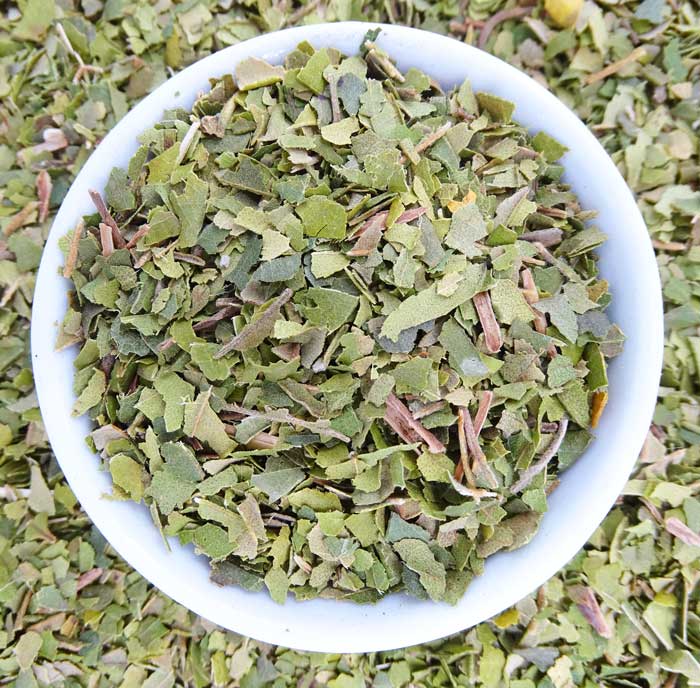
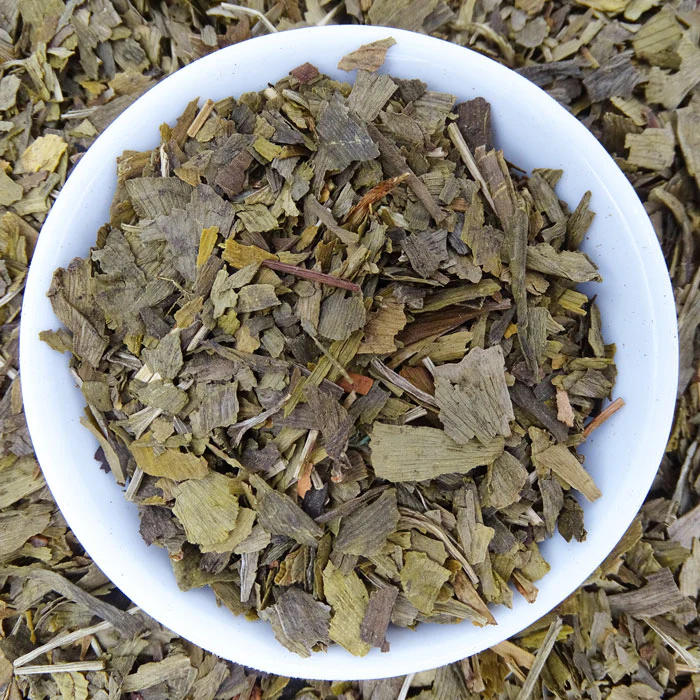
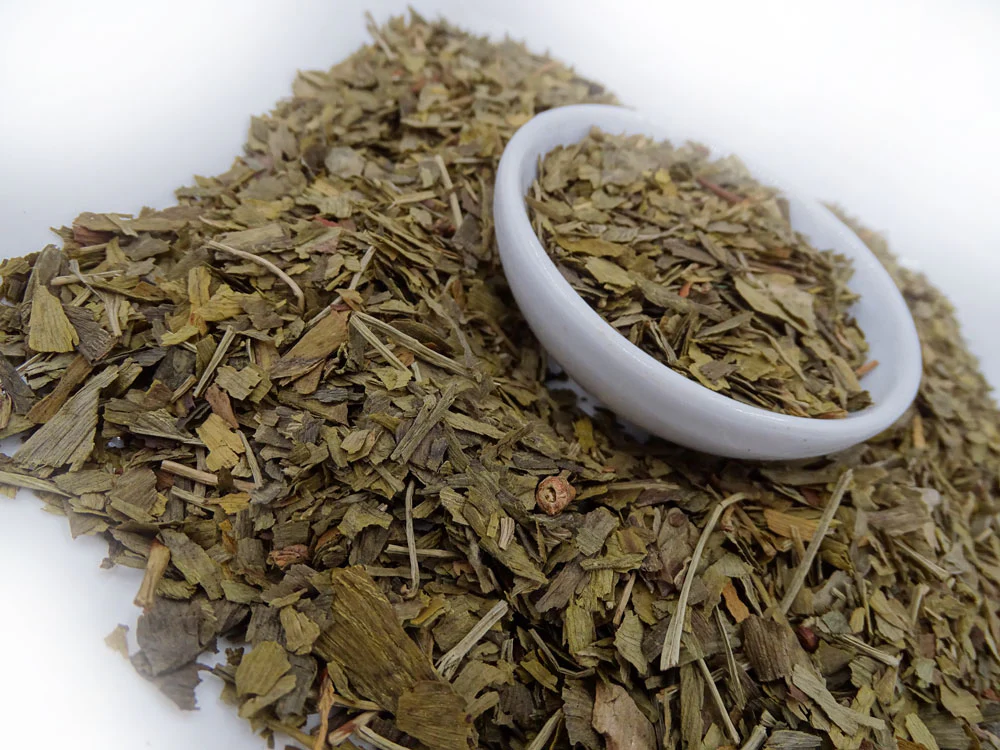
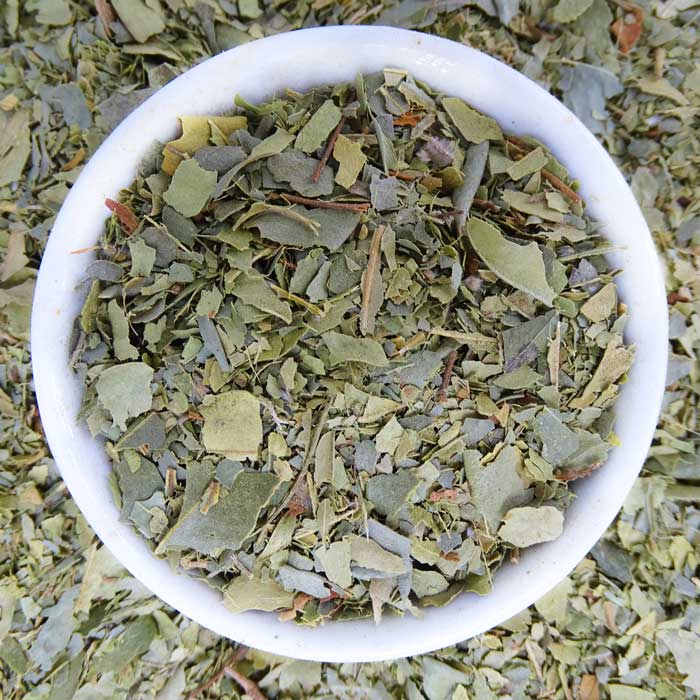
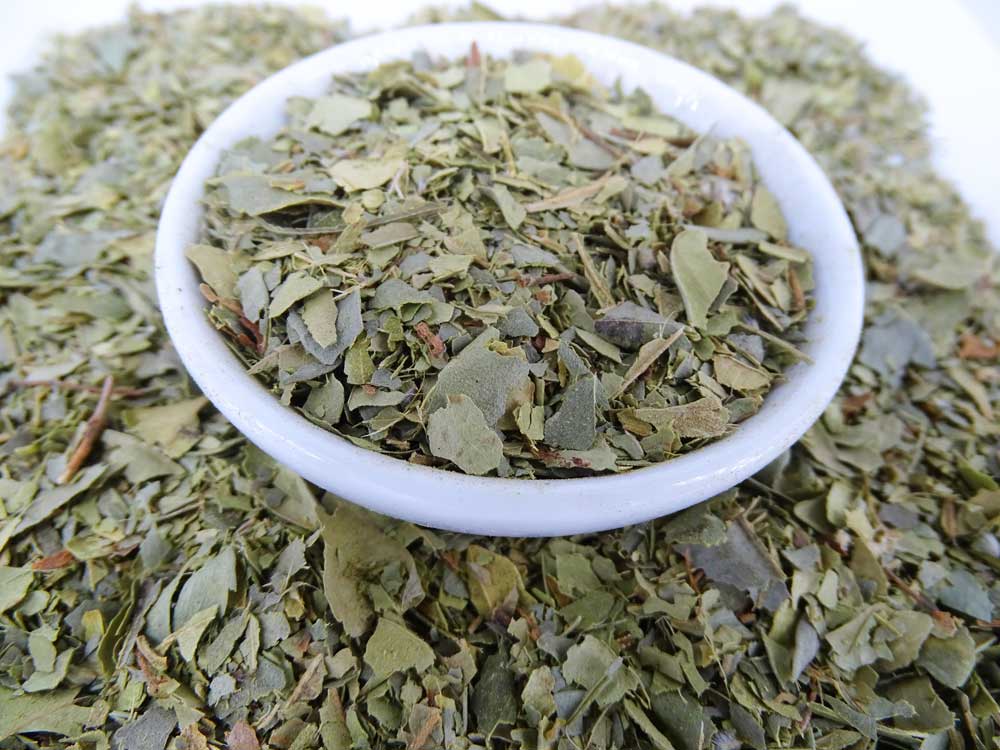
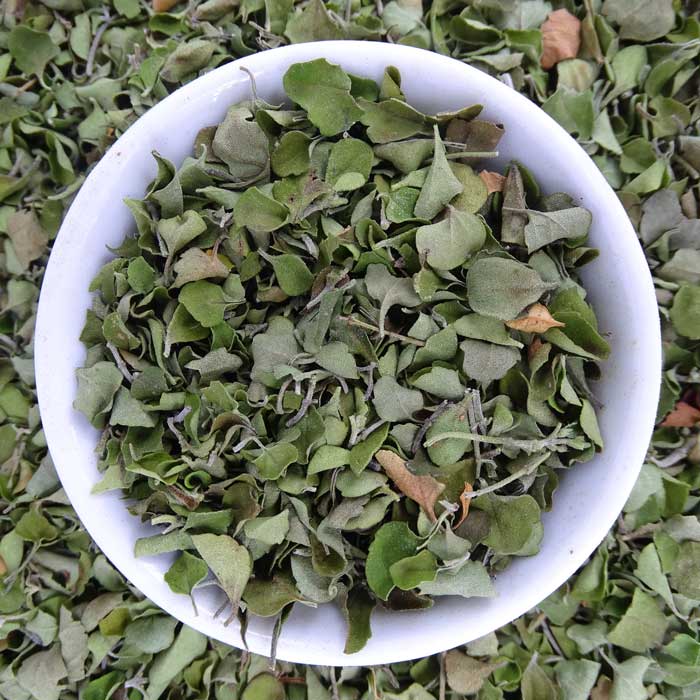
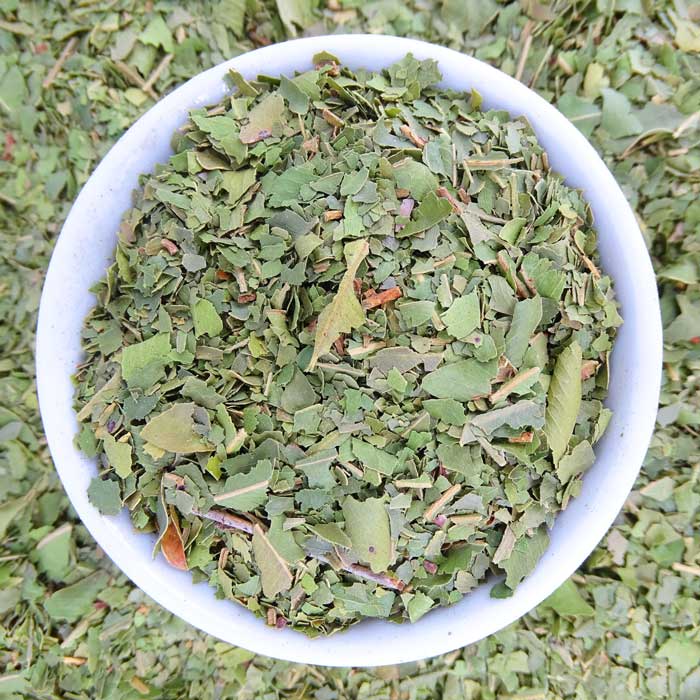
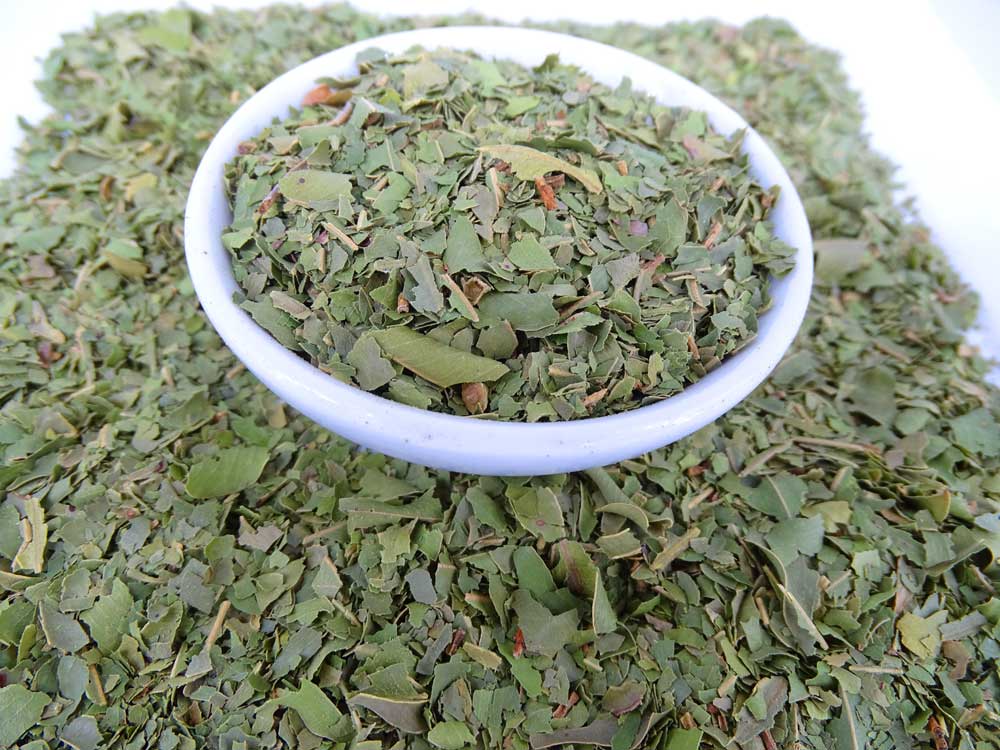
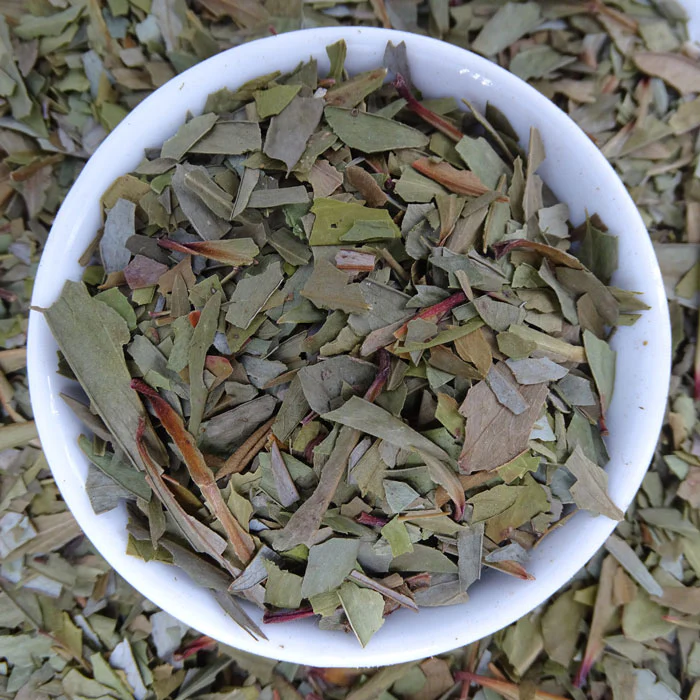
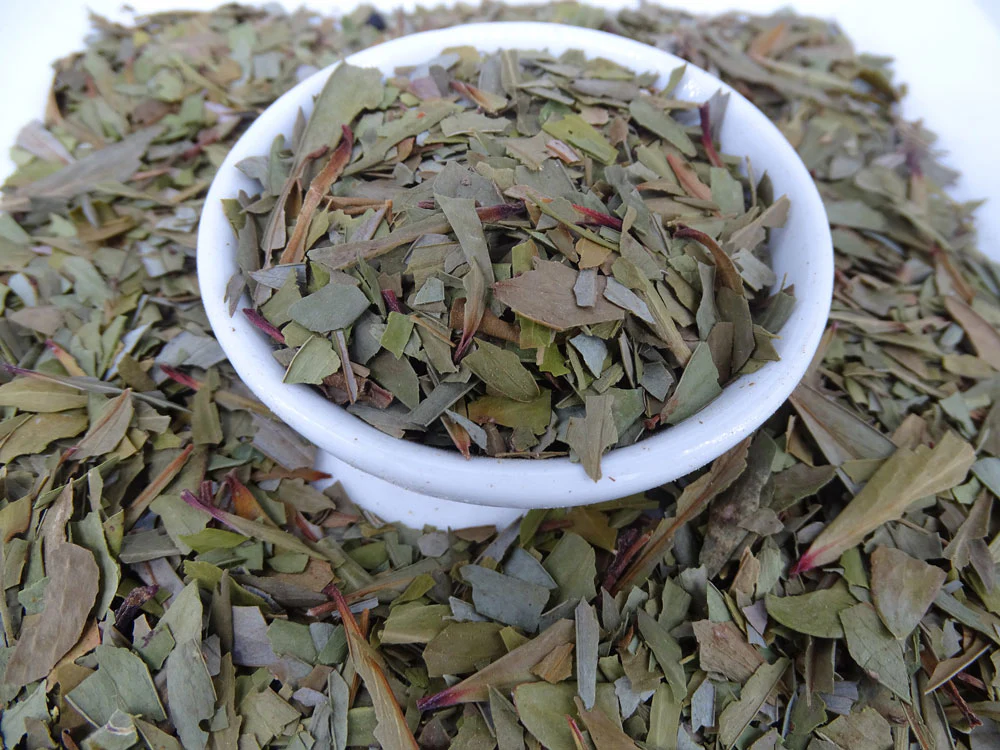
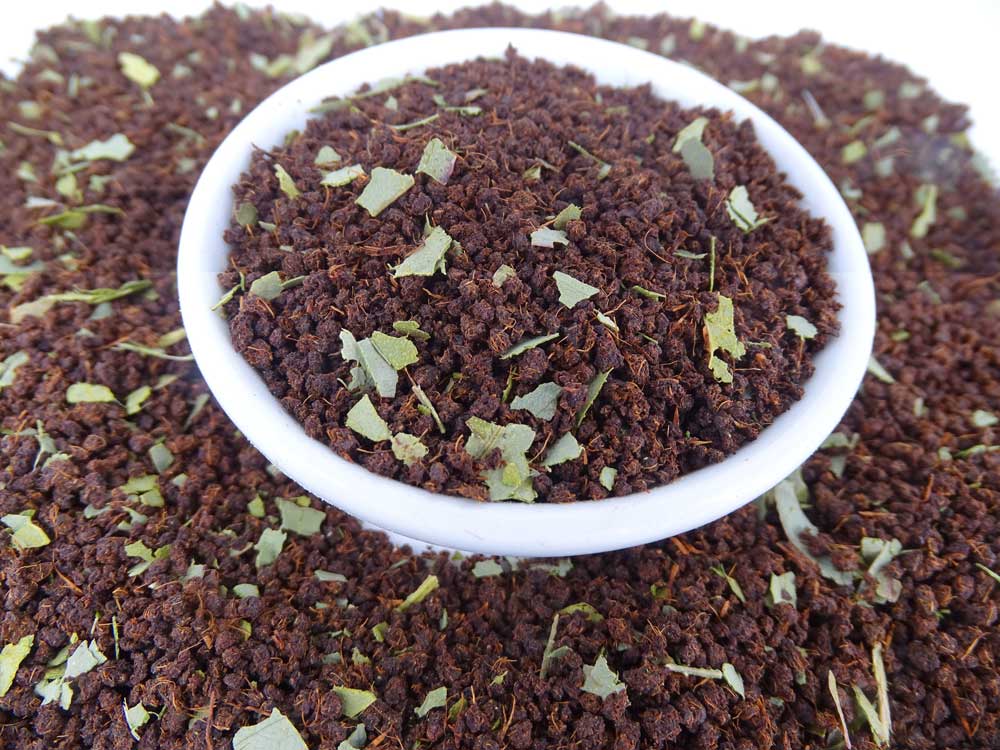
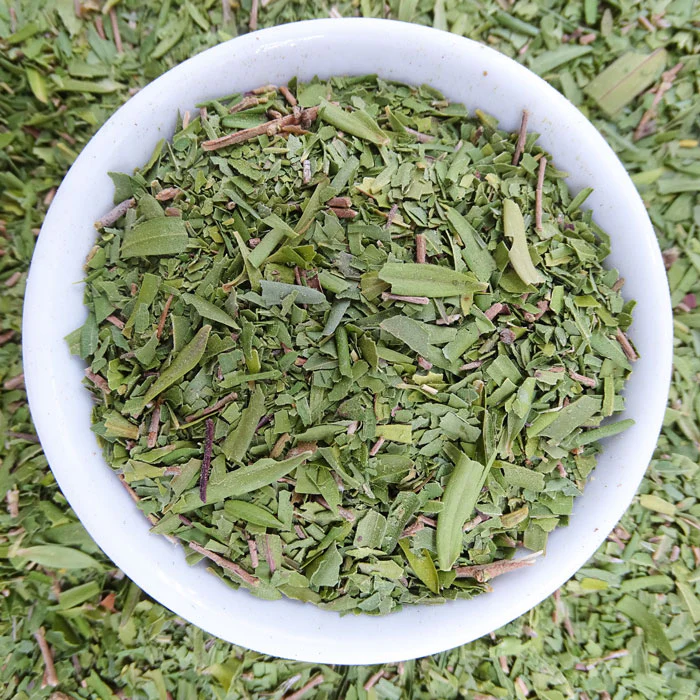
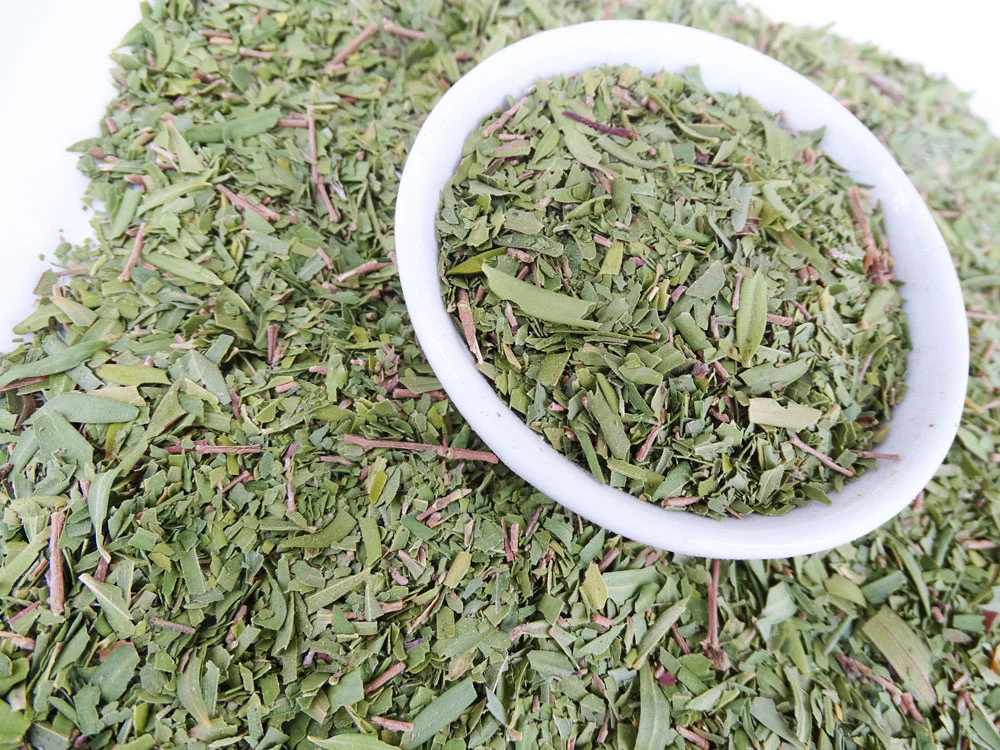
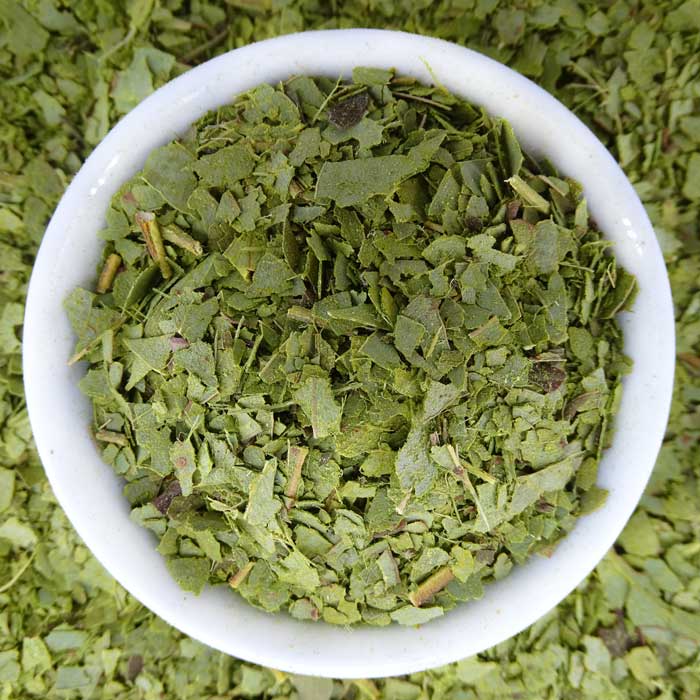
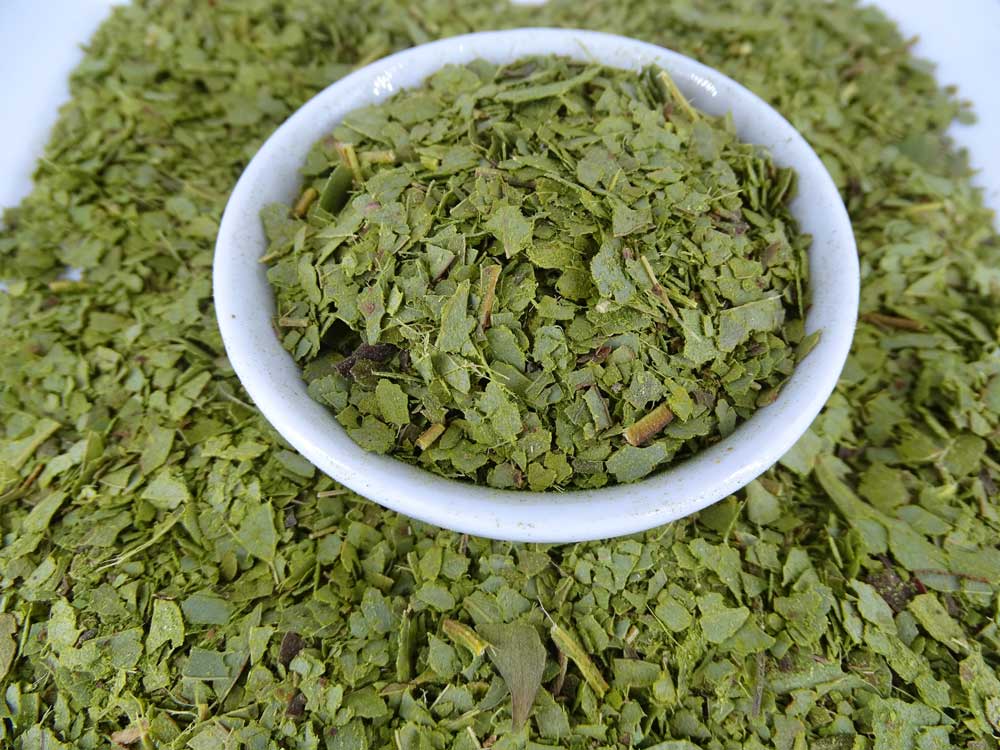
The Burdekin plum pleiogynium timorense is one of Australia's most attractive native fruits - it matures to a deep purple-black color in the subtropical and tropical woodlands of Queensland. All the fruits give off a sweet, tart sweetness layered with velvet-black cherry and a light almond bitterness. The flavor and color of the plum are locked into thin, sun-dried discs that unroll into a jewel-toned infusion - in tea-chip form.
Many generations of Aboriginal peoples ate the Burdekin plum fresh, dried it for travel and used it in ceremonial blends. Those tea chips today honor that legacy by turning traditional knowledge into a single-ingredient brew. No added flavors or sweeteners: Just pure native plum in every chip.
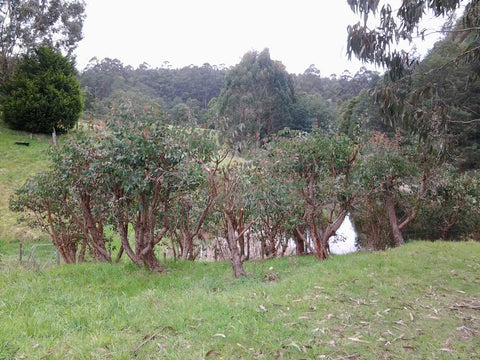
Fairly wild-harvested from mature trees across Australia's eastern seaboard, these fruit chips offer sustainability and provenance assurance. Steeping them means tasting a new native flavor as well. You're supporting custodians of the country, protecting biodiversity, and celebrating an Australian flavor tradition.
Wildcrafted Australia
A Fruit Steeped in History
Way before modern farming practices came into being, the Burdekin Plum served as a critical source of food and other utility resources. Indigenous Australians used to gather the fruit and let them sit in sandy containers or baskets till the fruit fully matured. After waiting patiently for days, the fruit can largely be consumed fresh, ground into a kind of paste, or even alcoholic beverages. In addition, the tree’s wood, which is thick and hard, was also useful in making tools and building houses.
The first colonizers understood the value of the Burdekin Plum fruit. It was used in colonial kitchens and was often made into jams or compotes. It also contains a high amount of tannins, so patience and creativity were required when cooking, which is something many modern food lovers are fond of. This plum can be added to homemade sauces, baked into tarts or infused into syrups. All in all, this plum can be used in countless ways as long as you have some imagination.
Culinary Applications and Taste Breakdown
The initial tartness and fibrousness of the Burdekin Plum makes it difficult to eat, but it transforms into a delectable mix of black cherry, plum, and some earthy notes over time. Moreover, its firm texture and fibrous quality becomes soft, which works great for slow cooked recipes, blends, and even smoothies.
This fruit also works well with rich meats providing natural contrast perfect for game, lamb, and duck. It can be crafted into thick jams or chutneys, and even glazes to spice up everyday meals. Some even prefer it brewed or fermented. Meanwhile, home fermenters love its complexity when added into vinegar and kombucha-style drinks.
Its rich coloration makes it additionally popular in baking and baking shops. When blended with compotes, frostings, or fillings, it adds and captures the eye with a naturally deep purple, chemical-free color.
A True Australian Gem
Burdekin Plum connects it to Australian geography, which adds to its appeal. This fruit grows in its superfood environment unlike, imported superfoods that go through thousands of kilometers of travel with added costs of supervision. In addition to being delicious, it is a wise and eco-friendly choice — supporting local farming and promoting biodiversity in this agriculturally lean area.
These trees are part of the slow-growing, long-lived trees and the natural heritage of their areas. As the interest in native foods increases, this Australian plum will finally get the respect it so justly deserves.
How to brew Burdekin Plum Tea
-
Add 1–2 teaspoons of dried Burdekin Plum (or a small piece of the whole fruit) to a teapot or infuser.
-
Pour over 250ml of freshly boiled water and let steep for 10–15 minutes to allow the flavour and colour to fully develop.
-
Strain and enjoy on its own or with a touch of honey. Can be served hot or chilled over ice for a refreshing twist.
Supporting Traditional Knowledge
Using Australian native ingredients is not simply a culinary choice, but rather a way to honor the land and its people. For countless generations, this fruit has been a part of Aboriginal knowledge systems and was used not only as food, but as a means to understand seasonal changes and the surrounding environment. Incorporating it into your kitchen helps support the preservation and revitalization of these traditional practices.
Original: $2,059.70
-70%$2,059.70
$617.91


Description
The Burdekin plum pleiogynium timorense is one of Australia's most attractive native fruits - it matures to a deep purple-black color in the subtropical and tropical woodlands of Queensland. All the fruits give off a sweet, tart sweetness layered with velvet-black cherry and a light almond bitterness. The flavor and color of the plum are locked into thin, sun-dried discs that unroll into a jewel-toned infusion - in tea-chip form.
Many generations of Aboriginal peoples ate the Burdekin plum fresh, dried it for travel and used it in ceremonial blends. Those tea chips today honor that legacy by turning traditional knowledge into a single-ingredient brew. No added flavors or sweeteners: Just pure native plum in every chip.
Fairly wild-harvested from mature trees across Australia's eastern seaboard, these fruit chips offer sustainability and provenance assurance. Steeping them means tasting a new native flavor as well. You're supporting custodians of the country, protecting biodiversity, and celebrating an Australian flavor tradition.
Wildcrafted Australia
A Fruit Steeped in History
Way before modern farming practices came into being, the Burdekin Plum served as a critical source of food and other utility resources. Indigenous Australians used to gather the fruit and let them sit in sandy containers or baskets till the fruit fully matured. After waiting patiently for days, the fruit can largely be consumed fresh, ground into a kind of paste, or even alcoholic beverages. In addition, the tree’s wood, which is thick and hard, was also useful in making tools and building houses.
The first colonizers understood the value of the Burdekin Plum fruit. It was used in colonial kitchens and was often made into jams or compotes. It also contains a high amount of tannins, so patience and creativity were required when cooking, which is something many modern food lovers are fond of. This plum can be added to homemade sauces, baked into tarts or infused into syrups. All in all, this plum can be used in countless ways as long as you have some imagination.
Culinary Applications and Taste Breakdown
The initial tartness and fibrousness of the Burdekin Plum makes it difficult to eat, but it transforms into a delectable mix of black cherry, plum, and some earthy notes over time. Moreover, its firm texture and fibrous quality becomes soft, which works great for slow cooked recipes, blends, and even smoothies.
This fruit also works well with rich meats providing natural contrast perfect for game, lamb, and duck. It can be crafted into thick jams or chutneys, and even glazes to spice up everyday meals. Some even prefer it brewed or fermented. Meanwhile, home fermenters love its complexity when added into vinegar and kombucha-style drinks.
Its rich coloration makes it additionally popular in baking and baking shops. When blended with compotes, frostings, or fillings, it adds and captures the eye with a naturally deep purple, chemical-free color.
A True Australian Gem
Burdekin Plum connects it to Australian geography, which adds to its appeal. This fruit grows in its superfood environment unlike, imported superfoods that go through thousands of kilometers of travel with added costs of supervision. In addition to being delicious, it is a wise and eco-friendly choice — supporting local farming and promoting biodiversity in this agriculturally lean area.
These trees are part of the slow-growing, long-lived trees and the natural heritage of their areas. As the interest in native foods increases, this Australian plum will finally get the respect it so justly deserves.
How to brew Burdekin Plum Tea
-
Add 1–2 teaspoons of dried Burdekin Plum (or a small piece of the whole fruit) to a teapot or infuser.
-
Pour over 250ml of freshly boiled water and let steep for 10–15 minutes to allow the flavour and colour to fully develop.
-
Strain and enjoy on its own or with a touch of honey. Can be served hot or chilled over ice for a refreshing twist.
Supporting Traditional Knowledge
Using Australian native ingredients is not simply a culinary choice, but rather a way to honor the land and its people. For countless generations, this fruit has been a part of Aboriginal knowledge systems and was used not only as food, but as a means to understand seasonal changes and the surrounding environment. Incorporating it into your kitchen helps support the preservation and revitalization of these traditional practices.